
What counts as an anime about art and creativity?
Some anime show a person drawing or playing music without spending much time on how creative work happens. This ranking favors stories where making something changes the plot: the characters practice, revise, collaborate, receive criticism or confront the cost of their ambitions. Painting, animation, manga, calligraphy, writing and performance all qualify. The question is not which protagonist has the most talent, but which show helps viewers understand a different part of the creative process.
We considered four qualities: specificity of the craft, believable obstacles, the role of other people, and how clearly the series separates improvement from instant success. These are editorial judgments, not numerical scores or claims of documentary accuracy. The order balances the usefulness of the creative insight with the strength of the storytelling. A relaxed slice-of-life series can be as valuable as a competitive workplace drama, but for a different viewer.
Quick picks by creative interest
For painting and art-school anxiety, start with Blue Period. For the excitement of making animation, choose Keep Your Hands Off Eizouken!. For deadlines and commercial publishing, Bakuman is the strongest fit; for coordinating an animation studio, try Shirobako. Barakamon is about recovering an artistic voice, Whisper of the Heart about beginning to write, and Showa Genroku Rakugo Shinju about mastering a performance tradition. None of these is a substitute for training, and availability varies by region.
10 best anime about art and creativity, ranked
1. Blue Period
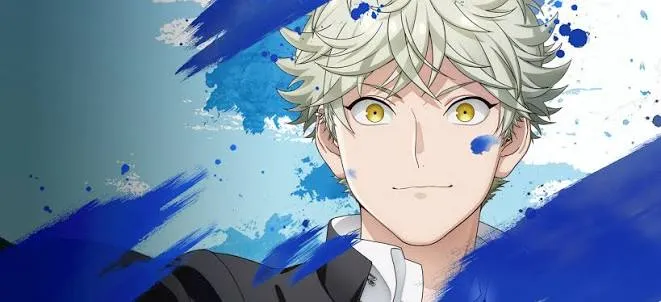
Blue Period begins with Yatora Yaguchi, a capable student who discovers that painting gives him a way to say something his usual success cannot express. What makes it useful for aspiring artists is the distance between falling in love with an image and developing the discipline to make one. He studies composition, works on assignments, accepts critique and prepares for competitive art-school entrance examinations. The show is less interested in a magical hidden gift than in the awkward process of learning how to look.
Its strongest insight is that finding a passion can make life harder before it makes life happier. Yatora's new ambition creates uncertainty, financial and academic questions, and comparisons with people who have been drawing for years. Watch this when you want the experience of being a beginner taken seriously. It is not a technical painting course, and the adaptation does not encompass the whole manga, but its portrayal of artistic self-doubt gives the craft emotional weight.
2. Keep Your Hands Off Eizouken!
Eizouken is the clearest recommendation for anyone curious about how ideas turn into animation. Midori Asakusa thinks in environments and imagined worlds, Tsubame Mizusaki obsesses over movement, and Sayaka Kanamori keeps their ambitions connected to budgets and practical decisions. The series makes their drawings feel alive, then reminds you that making a finished film requires more than imagination.
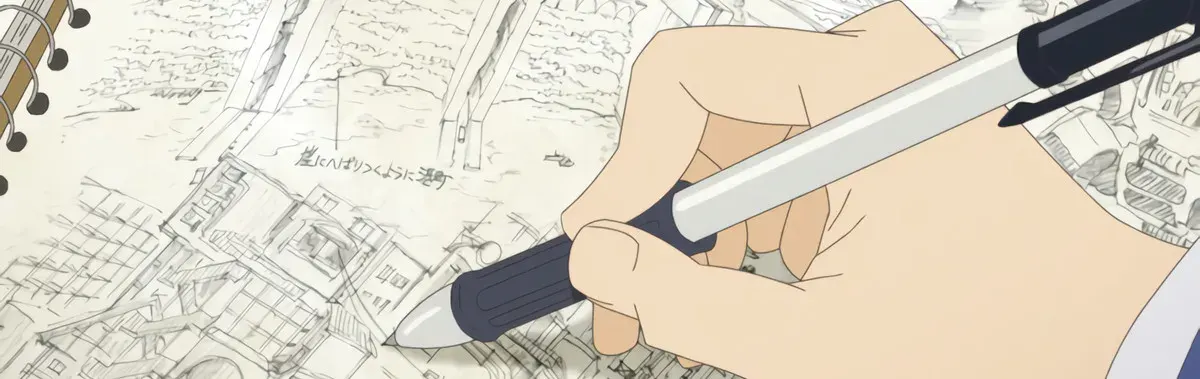
Its distinctive achievement is giving production management a creative role. Kanamori is not simply the person who says no. Her constraints force the team to choose what matters. The show also demonstrates how animation communicates through timing, motion and visual staging, not just polished character art. If you enjoy collaborative design, this is the entry to start with. It is exuberant rather than a documentary about real studio employment.
3. Bakuman
Bakuman follows Moritaka Mashiro and Akito Takagi as they try to make manga professionally. Their division of labor, with one drawing and the other writing, allows the story to explore how ideas change when editors, deadlines and reader responses enter the picture. It is especially strong on revision: a promising concept still has to become pages that can be produced repeatedly.
This is the pick for readers who want to understand the gap between creating privately and producing for an audience. Competition and ambition drive the plot, but the trade-offs around time and commercial feedback are more revealing than a simple victory narrative. Our existing analysis of Bakuman's creative labor goes deeper into those pressures. Treat the series as a dramatization of manga publishing, not a comprehensive or current industry manual.
4. Shirobako
Shirobako shifts from the dream of making anime to the everyday work of actually delivering it. Aoi Miyamori works in production coordination, where schedules, communication and last-minute problems can determine whether a creative team's efforts reach the screen. Her former school friends enter different areas of the industry, showing that the word creator covers several jobs and very different frustrations.
What separates Shirobako from a motivational workplace story is its respect for invisible labor. A finished episode depends on people communicating across roles, and one delayed decision can affect many others. Some situations are heightened for comedy, but the underlying lesson is durable: creative quality is partly an organizational achievement. Choose it when you are curious about anime production rather than a lone artist's personal style.
5. Barakamon
Seishuu Handa is already a skilled professional calligrapher when his pride gets him into trouble. Sent to a remote island after striking a critic, he encounters people whose everyday lives interrupt his rigid approach to work. Instead of giving him a new technique, the community changes what he notices and how he relates to making marks on paper.
Barakamon belongs here because creative development does not always mean acquiring another skill. Handa's crisis is about voice, ego and the fear that technical excellence has become empty. It offers a useful contrast to Bakuman's deadline-driven ambition. Our Barakamon review about creative burnout examines that tension in detail. The story is warm and funny, but it never suggests that a rural retreat is a universal cure for professional exhaustion.
6. Whisper of the Heart
Shizuku Tsukishima loves reading and gradually begins testing whether she can write a story of her own. Whisper of the Heart captures the uncomfortable stage when taste develops faster than skill: she knows what moves her, but creating something that meets her own standards is another matter. Her growing interest in writing is intertwined with school, family expectations and a developing relationship.
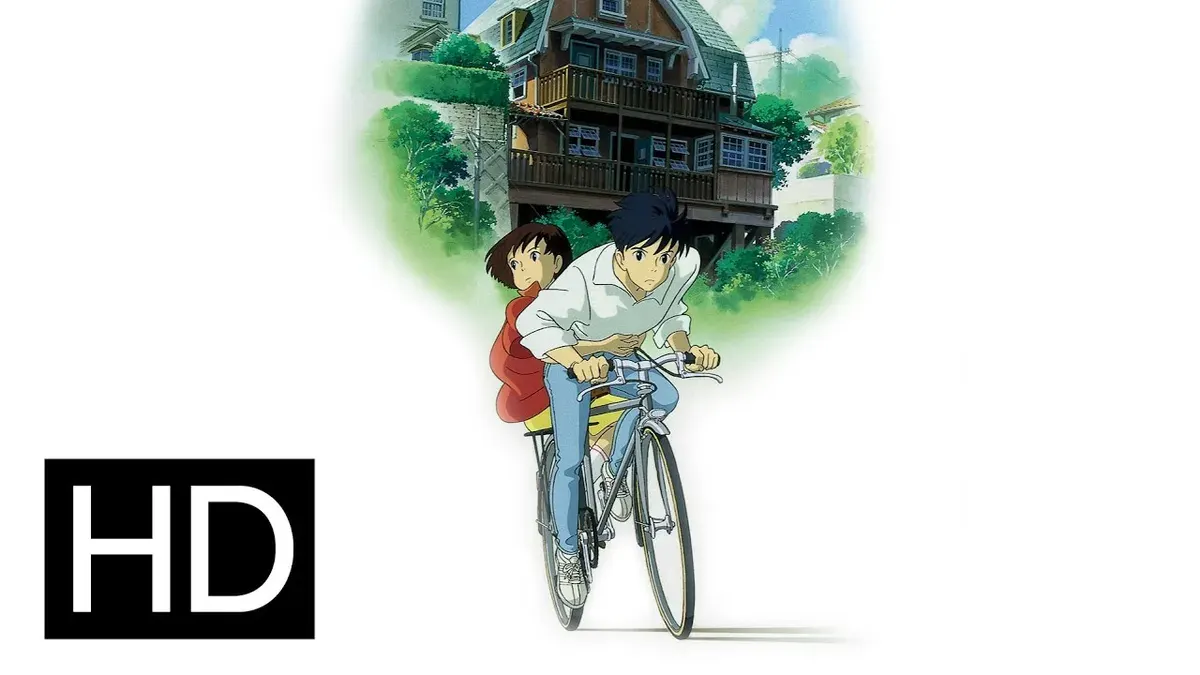
This is the best short recommendation for someone afraid to begin. The film values finishing an imperfect first attempt and learning what that attempt reveals about the work still ahead. Its gentleness does not erase the embarrassment of being inexperienced. Unlike a career-oriented series, it concentrates on the moment a private interest becomes a commitment. That makes it especially effective for writers, students and anyone returning to a neglected project.
7. Honey and Clover
Set around art-college students, Honey and Clover treats creativity as one part of a life crowded with uncertainty, affection and decisions about adulthood. The students are not interchangeable geniuses. They have different strengths, emotional needs and ideas of what a successful future might look like. The story spends substantial time on relationships, but art school gives those relationships a particular pressure: everyone is comparing possibilities without knowing where they will lead.
Its value is showing that artistic development and personal development do not follow the same timetable. Someone may be talented but unsure where to direct that talent; someone else may work consistently while feeling left behind. Choose this for a reflective college story rather than procedural lessons about making artwork. The romantic drama can be frustrating, which is part of the point: a creative community is not automatically an emotionally uncomplicated one.
8. Hidamari Sketch
Hidamari Sketch follows students at an arts-focused school who live near one another and share ordinary routines. Instead of structuring each episode around a career breakthrough, it makes room for practice, friendships, small projects and the pleasure of being around people who also like to make things. Its relaxed rhythm is the main attraction.
The show offers a necessary counterweight to stories that make every drawing a referendum on talent. Creativity can be a social habit and a source of curiosity without immediately becoming a profession. Viewers wanting detailed instruction in art techniques may find it too gentle, but those looking for a comfortable depiction of student life will appreciate its low-stakes attention to everyday experience. It is an especially good choice after a more intense series about competitive artistic success.
9. The Pet Girl of Sakurasou
At Sakurasou, Sorata Kanda lives among students whose ambitions and abilities make his own direction feel uncertain. Mashiro Shiina's extraordinary artistic skill intensifies the comparison, while the ensemble explores different forms of talent, persistence and failure. The creative work spans more than one medium, and the story is as interested in envy as it is in inspiration.
Its useful question is not whether talent exists, but what happens when someone else's gifts become the measure of your worth. Sorata's frustration is sometimes unpleasant, yet that discomfort gives the show a sharper edge than a generic follow-your-dreams narrative. This is a character drama with romantic comedy elements, not a practical career guide. Choose it if comparisons with peers are the part of creative life you find hardest.
10. Showa Genroku Rakugo Shinju
Showa Genroku Rakugo Shinju follows performers devoted to rakugo, a Japanese storytelling art performed through voice, timing, gesture and characterization. Its intergenerational story explores the relationship between tradition, personal expression and the burden of carrying an art form forward. Unlike a show about drawing, it asks how a performer makes an inherited story feel uniquely their own.
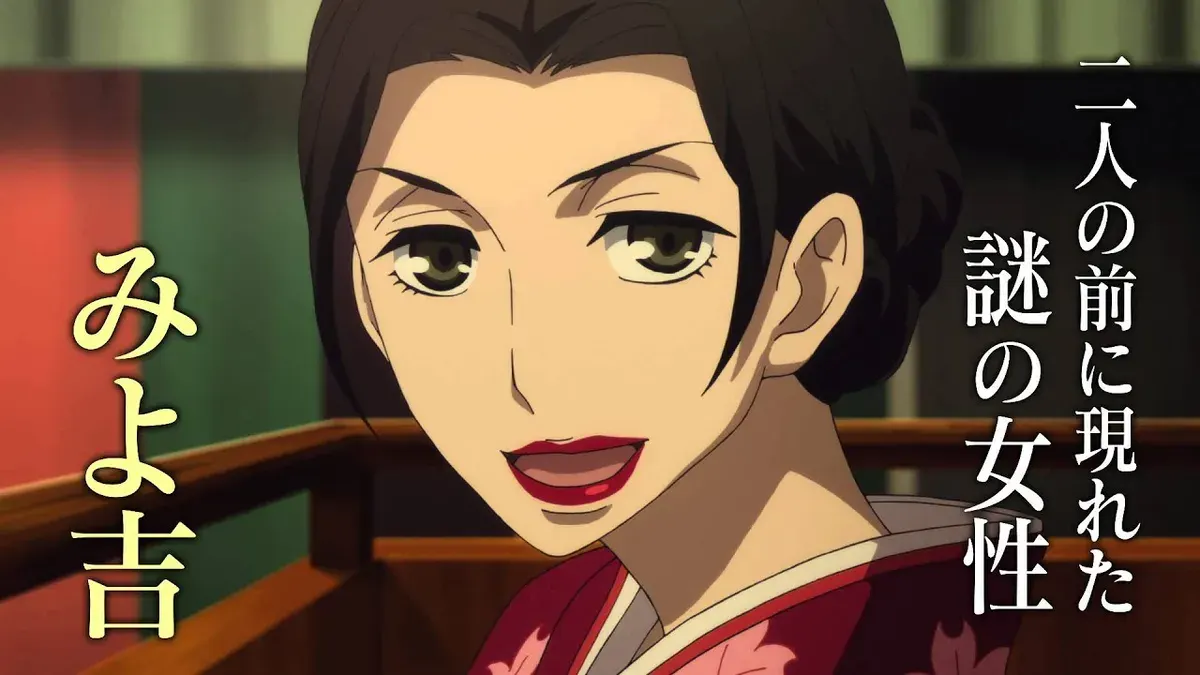
This is the most demanding recommendation on the list, both emotionally and culturally. The performances reward close attention to pauses, delivery and the audience's imagined world. It also demonstrates that creative identity can be shaped by mentorship, rivalry and historical change. Watch it when you want art treated as a lifelong practice with consequences, not simply a hobby that leads to self-confidence. Its dramatic relationships and period setting are central to the experience.
What these anime get right about creative work
The recurring pattern is that talent does not eliminate the need for repetition. Blue Period shows an enthusiastic beginner facing difficult exercises. Bakuman makes the same point through recurring deadlines. Eizouken turns artistic disagreements into production choices, while Shirobako reminds viewers that the best individual drawing is of little use if the episode cannot be finished. These are different kinds of effort, and lumping them together under the word passion hides what makes each job demanding.
Another important distinction is between critique and rejection. Barakamon's calligrapher reacts badly to criticism because he has tied his identity to technical mastery. Whisper of the Heart approaches an unfinished manuscript as a beginning rather than proof of failure. Honey and Clover shows that an uncertain future is not always evidence of insufficient ability. Those ideas are useful to viewers outside the arts, including anyone who designs, writes, programs or works with other people to build something.
Which should you watch first?
If you want a lively, accessible introduction, Eizouken is an easy first pick. If you are struggling with the first stages of learning, Blue Period and Whisper of the Heart are better matches. If you already work in a creative industry, the practical tensions in Shirobako and Bakuman may feel familiar. For something calmer, choose Hidamari Sketch or Barakamon. For a mature story about a craft passed between generations, choose Showa Genroku Rakugo Shinju. You can also use the AnimeSparks recommendation finder to explore related shows by mood and genre.
Frequently asked questions
What anime is most like Blue Period?
For another story about artists facing expectations, try Honey and Clover. For a different craft with similar questions about confidence and effort, choose Whisper of the Heart. Eizouken shares the enthusiasm for visual imagination but emphasizes teamwork rather than art-school admissions.
Which anime best explains how anime is made?
Shirobako is the strongest workplace-oriented recommendation because it follows production coordination and multiple studio roles. Eizouken focuses more on the imaginative and practical decisions involved in a small student animation project. They complement rather than replace each other.
Are these anime useful for learning to draw?
They can encourage observation, reflection and consistent practice, but none should be mistaken for a structured drawing curriculum. Blue Period pays the most attention to studying visual art. For technical improvement, pair the inspiration with exercises, feedback and reference material.