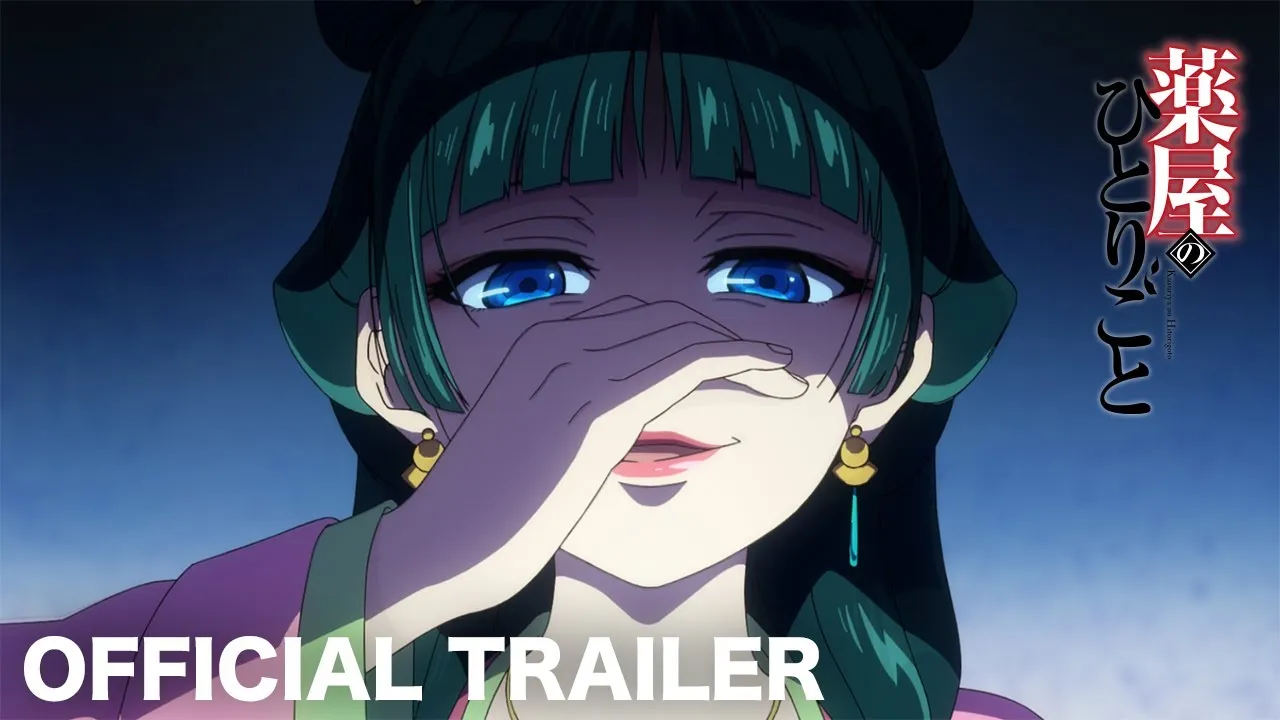

The best anime with a female protagonist depend on the kind of story you want. The Apothecary Diaries is the strongest starting point for a clever mystery lead, Frieren: Beyond Journey's End for reflective fantasy, Bocchi the Rock! for comedy, and Moribito: Guardian of the Spirit for an experienced adult action heroine.
These 15 series put a female lead's decisions at the center of the story. Some have a single viewpoint; others share the spotlight across an ensemble. The recommendations below explain that distinction, what each protagonist contributes, and where to start. Major plot twists are left out.
Choose an anime with a female protagonist by mood
- Mystery and deduction: The Apothecary Diaries.
- Quiet fantasy with occasional intense combat: Frieren: Beyond Journey's End.
- An adult heroine and a focused adventure: Moribito: Guardian of the Spirit.
- Social anxiety and music: Bocchi the Rock!.
- Travel, friendship and emotional release: A Place Further than the Universe.
- Workplace decisions and creative pressure: SHIROBAKO.
- A darker first episode: Psycho-Pass or Puella Magi Madoka Magica.
This is a watch guide, not a ranking of physical strength. A protagonist earns a place through agency: her choices change the story. For individual character comparisons, our best female anime characters ranking uses a different lens.
1. The Apothecary Diaries — curiosity as a survival skill
Maomao's first instinct is often to observe quietly. That restraint makes her compelling: she understands that solving a problem and attracting attention can carry different consequences inside the imperial palace.
The mysteries connect practical knowledge to social hierarchy. A symptom, a cosmetic or a careless assumption can reveal who has power and who is being overlooked. Maomao is entertaining because her fascination with medicine repeatedly competes with her wish to avoid trouble.
Best for: viewers who enjoy deduction and a heroine with a specialized skill. Consider first: the story includes poisoning, exploitation and other mature subjects; it isn't a light palace romance throughout.
Start at the first season. Our explanation of why Maomao pretends to be ordinary explores the same tension, with more story detail. The official anime site provides the series' season and character information.
2. Frieren: Beyond Journey's End — a lead learning what she missed
Frieren begins with the aftermath of a heroic adventure. Its elf mage has already helped defeat the great threat; the more difficult task is understanding the human relationships that passed too quickly for her to appreciate.
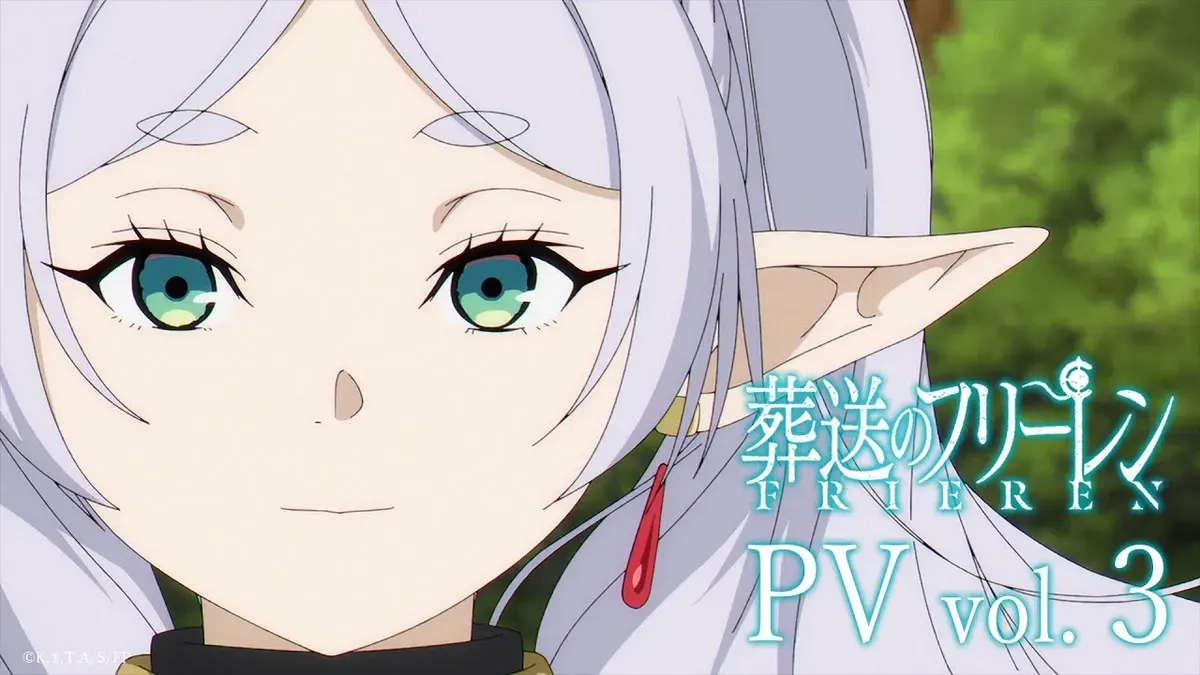
That setup changes what counts as progress. A detour, an ordinary spell or a remembered conversation may carry more weight than reaching the next destination. Fern and Stark bring the present back into focus, preventing the journey from becoming only a memorial.
Best for: fantasy viewers willing to spend time with reflection, travel and small discoveries. Consider first: it has powerful battles, but expecting constant action will give you the wrong impression.
Begin with the opening episode rather than a combat compilation. For a closer look at its tone, read why Frieren feels different from other fantasy anime.
3. Moribito: Guardian of the Spirit — an adult heroine with responsibility
Balsa is an experienced spear fighter hired to protect a prince. The hook is straightforward, but her competence gives the story a different rhythm from a novice's training adventure. She must make decisions about shelter, travel and trust while keeping another person alive.
Her physical skill matters because the series gives it practical limits. Protecting someone demands planning and restraint; winning an isolated fight isn't enough. The relationship between guardian and child carries the quieter sections as effectively as the action carries the dangerous ones.
Best for: an adult female protagonist, grounded combat and a journey with a clear central purpose. Consider first: this is a deliberate adventure with political and spiritual material, not a rapid sequence of tournament fights.
Start with the television series titled Moribito: Guardian of the Spirit.
4. Yona of the Dawn — becoming capable after a sheltered beginning
Yona's starting point is privilege, and the story doesn't pretend that her sheltered upbringing has prepared her for life outside the palace. Losing that protection forces her to look at a kingdom she previously understood through a narrow view.
The strongest appeal is the gradual change in what she notices and chooses. Learning a skill matters; learning whom to listen to matters just as much. Her companions provide support, but the journey asks her to form her own judgment rather than simply inherit theirs.
Best for: fantasy adventure with character growth and romantic tension. Consider first: the anime and the much longer manga should not be treated as identical commitments or assumed to cover the same amount of story.
VIZ's publisher overview confirms the starting premise. Begin with the first anime season, and avoid later-volume summaries if you want to preserve its surprises.
5. Ascendance of a Bookworm — making something in a world that resists it
Myne wants books in a society where access to them is limited. That desire leads her into a chain of practical problems: materials, labor, money and the rules governing who can make or own valuable things.
The series earns its worldbuilding through obstacles. Remembering that a technology exists isn't the same as being able to produce it. Myne needs other people's knowledge and cooperation, and her health limits what she can do herself.
Best for: patient fantasy, craft processes and a protagonist who changes her surroundings through persistent problem-solving. Consider first: its child viewpoint and warm moments coexist with illness, class inequality and unequal power.
Start with the first season. Jumping directly to later arcs removes the small material discoveries that make the larger changes meaningful.
6. Violet Evergarden — finding words for other people's feelings
Violet's work writing letters gives each encounter a clear dramatic problem: what does the client want to say, and why can't they say it directly? Her own difficulty understanding emotion makes that task personal.
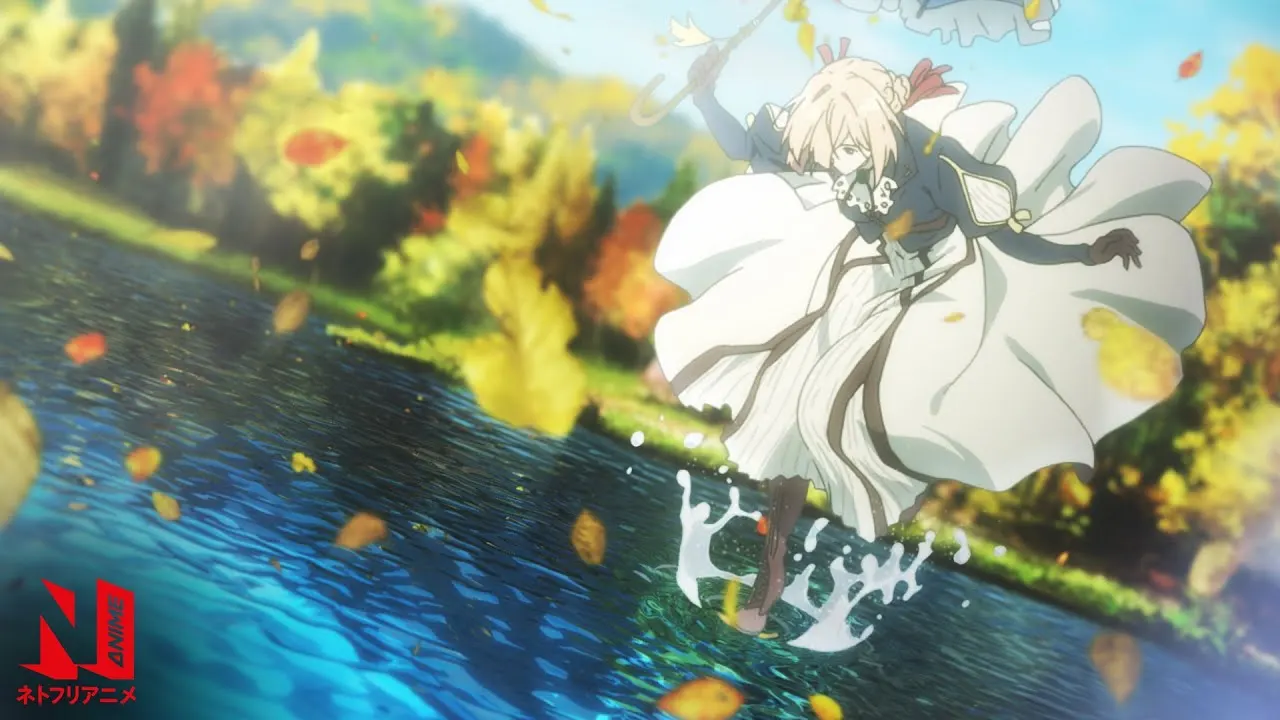
The series treats communication as work. A polished sentence can still fail if it misses the person behind the request. Violet gradually learns to listen beyond instructions, which makes her development visible without requiring constant explanations of how she feels.
Best for: emotional character drama, episodic encounters and careful visual storytelling. Consider first: grief, war trauma and bereavement are central subjects.
Begin with the television series before the later films. The official Violet Evergarden site distinguishes the film material; it isn't a substitute for the opening episodes. Expect a story about recovery rather than a sustained military-action series.
7. A Place Further than the Universe — four leads, one extraordinary destination
This is an ensemble recommendation. Mari and Shirase help set the journey in motion, while Hinata and Yuzuki bring different reasons for needing a change. Their shared ambition is to reach Antarctica.
The destination gives ordinary adolescent hesitation a concrete scale. Saving money, asking for permission and committing to unfamiliar work are the steps between an imagined life and a decision that might actually change it. The friendship becomes convincing because it includes friction and different expectations.
Best for: a focused adventure about friendship, courage and leaving a comfortable routine. Consider first: the bright presentation includes a substantial grief storyline.
Start at episode one. The official series site establishes the Antarctic journey; the emotional reasons for it are best discovered through the episodes.
8. Bocchi the Rock! — being talented doesn't make joining a band easy
Hitori Gotoh can practice guitar alone for hours. Playing with other people requires another set of skills, and the gap between those two tasks is the series' best comic engine.

The animation turns her anxious thinking into visual jokes without making every problem disappear after one successful performance. Kessoku Band gives her achievable tasks and people who don't always interpret her behavior correctly. Progress comes through repeated, imperfect participation.
Best for: music, expressive comedy and a protagonist whose private confidence differs from her public behavior. Consider first: many jokes depend on embarrassment and social anxiety.
Start with the television series. It is a better introduction to the band relationships than isolated concert clips, even if the music is what first attracts you.
9. SHIROBAKO — an ensemble held together by production work
Aoi Miyamori's job connects people who need different things at the same time. Deadlines, missing decisions and conflicting expectations turn anime production into a workplace drama with understandable stakes.
Aoi doesn't solve every specialist's problem herself. Her agency lies in recognizing what needs to happen, finding the person who can do it and keeping communication moving when the process starts to break down. The supporting women also pursue their own creative careers rather than existing only around her.
Best for: adult working characters and stories about how creative projects actually get finished. Consider first: the show contains production terminology, though it usually teaches that vocabulary through the immediate problem.
Start with the television series before the film. The early workplace relationships make the later pressure more meaningful.
10. Chihayafuru — competitive ambition with a specific shape
Chihaya's enthusiasm for competitive karuta is infectious because the series makes the game legible. Listening, memory, timing and physical reaction become visible dramatic skills rather than background trivia.

Her drive is also a source of friction. Wanting something intensely can make it difficult to recognize what teammates and rivals need. The show lets competition, friendship and romantic feelings influence one another without reducing every match to a metaphor for a crush.
Best for: sports-anime tension, club relationships and a heroine with an absorbing goal. Consider first: this is a long character journey; a tournament result and a complete adaptation of the source are different things.
Start with the first season. You don't need prior knowledge of karuta to understand why a match matters.
11. Fruits Basket — kindness that has to face painful patterns
Tohru Honda becomes involved with the Sohma family and its supernatural secret. Her kindness opens the story, but its lasting interest lies in how people respond to care when they have learned to expect rejection or control.
The ensemble is large, yet Tohru remains a central emotional viewpoint. She also has needs and losses of her own. The series is stronger when you notice what her helpfulness conceals as well as what it offers others.
Best for: family drama, romance and sustained character development. Consider first: abuse, trauma and grief sit beneath the gentle early comedy.
For the adaptation that follows the manga through its main conclusion, begin with Fruits Basket (2019). The earlier 2001 adaptation is a separate starting choice; don't mix the two episode lists.
12. Psycho-Pass — keeping your judgment inside a system that supplies one
Akane Tsunemori enters a policing system that assigns measurable judgments to people's mental states. Her role as a new inspector creates a useful entry point: she must learn procedures while deciding which assumptions she is prepared to accept.
This is a shared-lead crime thriller, especially in its first season. Akane's importance comes from her ethical choices rather than being the strongest combatant in every scene. Her relationship with institutional authority gives the investigations their continuing tension.
Best for: an adult female lead in a dystopian thriller. Consider first: graphic violence, disturbing crimes and sexual violence make it a poor choice for a light watch.
Begin with the first television season. The official franchise site lists later installments, but starting with a later film skips the foundation of Akane's viewpoint.
13. Puella Magi Madoka Magica — the weight of agreeing to become a heroine
Madoka begins with a familiar-looking offer: the chance to gain magical power. The series is interested in what that offer costs, what information is missing and how friendship changes the decision.
Her hesitation is part of the story's design. Agency doesn't always look like immediate action, particularly when a choice has consequences that can't easily be undone. The other girls supply different models of what it means to commit.
Best for: compact supernatural drama that rewards close attention. Consider first: the cute designs accompany violence, despair and psychological distress.
Start with the original television series and avoid summaries of its central turns. Later movies make more sense after that foundation. This is one entry where learning less about the plot before watching is useful.
14. Revolutionary Girl Utena — questioning the role of the rescuer
Utena wants to live by a princely ideal and becomes involved in the dueling system at Ohtori Academy. Her relationship with Anthy makes the series ask increasingly difficult questions about protection, possession and the stories people tell about themselves.
The repeated rituals are deliberate. A familiar setting or confrontation can take on a different meaning as you understand the people inside it. Utena's confidence gives you an entry point, while the surrounding symbolism complicates her assumptions.
Best for: theatrical imagery, ambiguous relationships and a story you can interpret as well as follow. Consider first: abuse and coercion are central themes, and the series includes disturbing sexual material.
Begin with the television series. Treat the film as a distinct interpretation rather than a straightforward replacement for the episodes.
15. Ghost in the Shell: Stand Alone Complex — a professional lead in an ensemble investigation
Motoko Kusanagi leads operations within Section 9, giving this series an experienced protagonist rather than a newcomer learning every rule alongside the viewer. Her judgment matters inside a team of specialists.
The appeal is the connection between individual cases and larger questions about identity, institutions and networked life. Motoko can be decisive in action while remaining difficult to read personally, which gives the ensemble room to reveal different sides of her.
Best for: cyberpunk investigations and an adult female lead who already has professional authority. Consider first: political plots and dense dialogue share time with violence and mature material.
Start with Stand Alone Complex's first season. It is a different continuity from the 1995 Ghost in the Shell film, so watching that film first is optional rather than a prerequisite.
Which female-led anime should you watch first?
Choose the kind of involvement you want. Maomao invites you to solve a problem; Frieren invites you to reconsider a memory. Balsa offers the practical responsibility of protecting someone, while Aoi shows how keeping a team functioning can become a dramatic goal of its own.
For a lighter starting mood, try Bocchi the Rock!, with its anxiety-related comedy. For a strong emotional journey with a defined destination, choose A Place Further than the Universe. If romance matters most, Fruits Basket offers the richest family-and-relationship focus among these picks.
Does “female protagonist” mean an all-female cast?
No. It means a female character is a central viewpoint whose decisions drive the story. Moribito, Fruits Basket and Psycho-Pass have important male characters. A Place Further than the Universe uses a group of female leads.
Which of these anime has an adult female protagonist?
Moribito, SHIROBAKO and Ghost in the Shell: Stand Alone Complex are useful starting points. Psycho-Pass also introduces Akane as a working adult. They offer different kinds of responsibility rather than the same character type in different costumes.
Are these all action anime?
No. The list includes mysteries, music comedy, workplace drama, fantasy and sport. For more relationship-focused choices, see our romance anime with happy endings, which answers a different viewing preference.