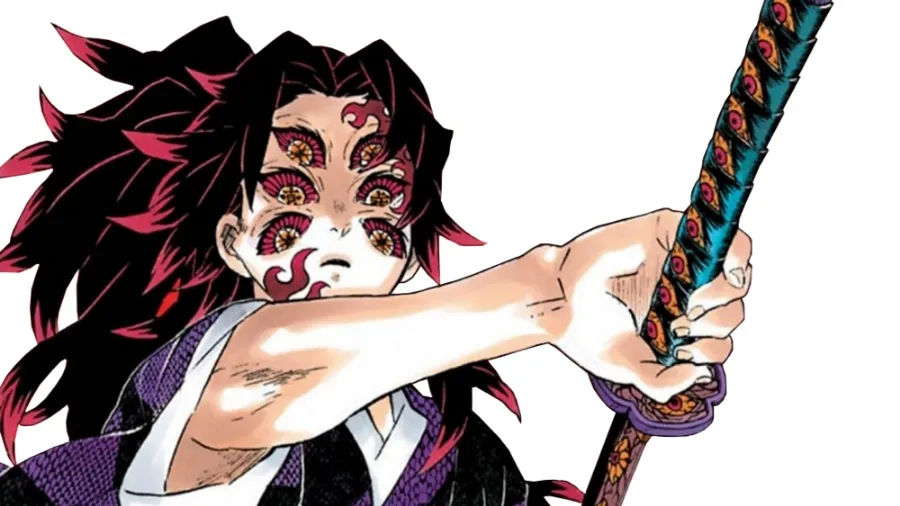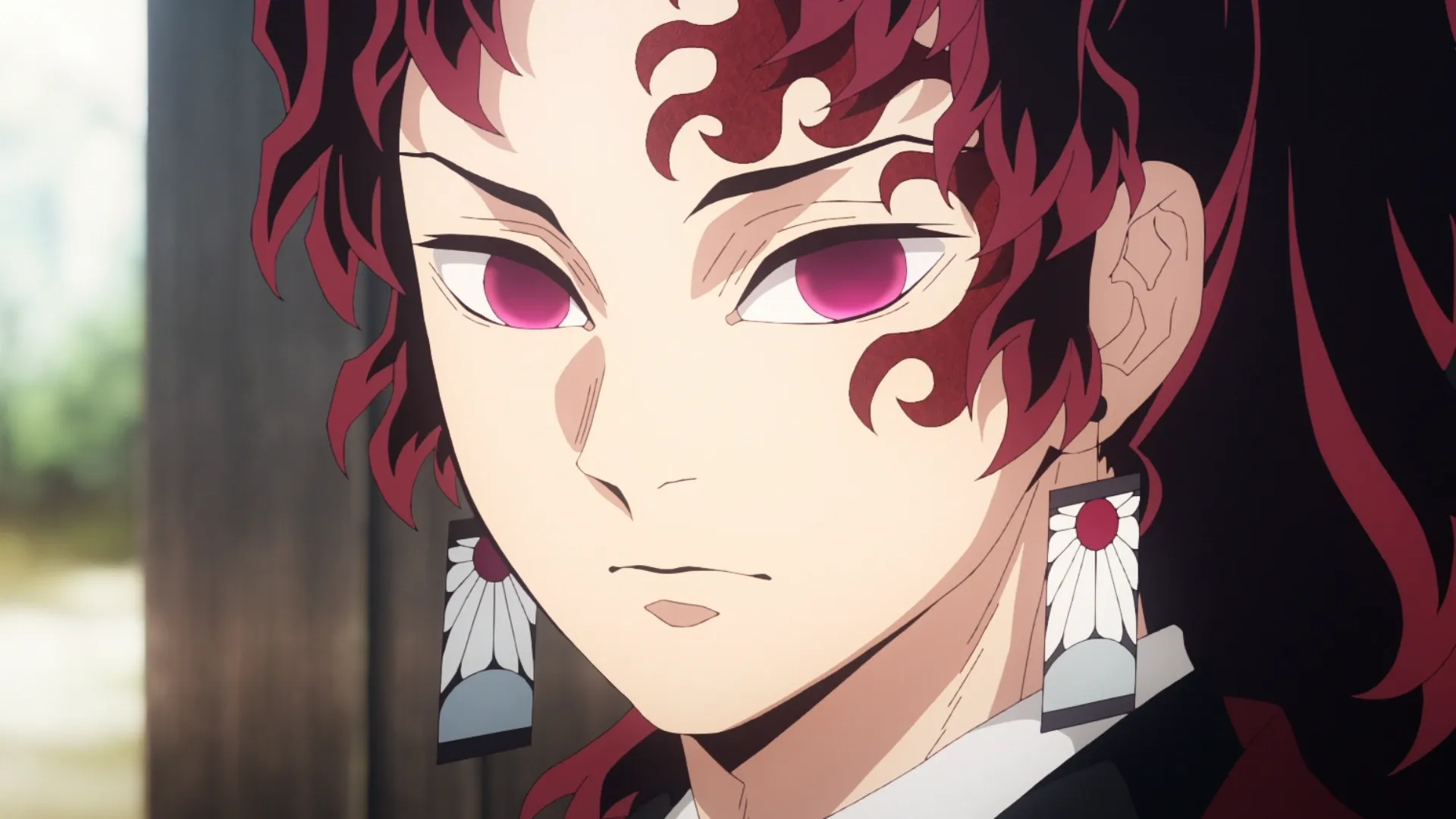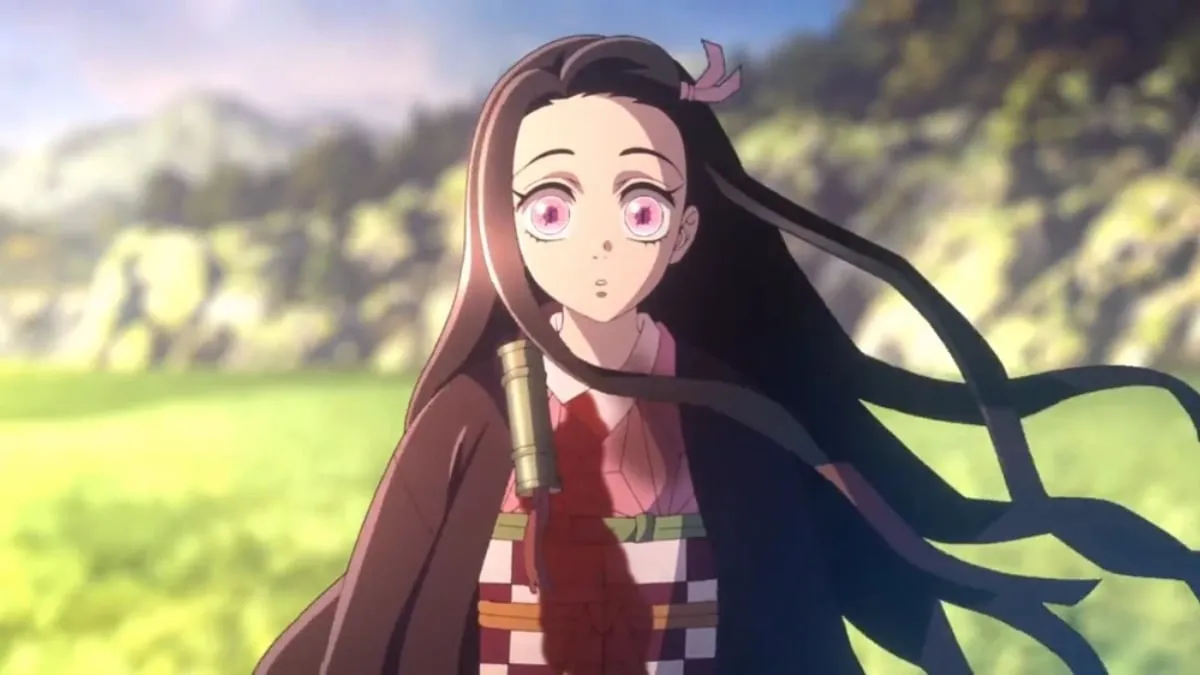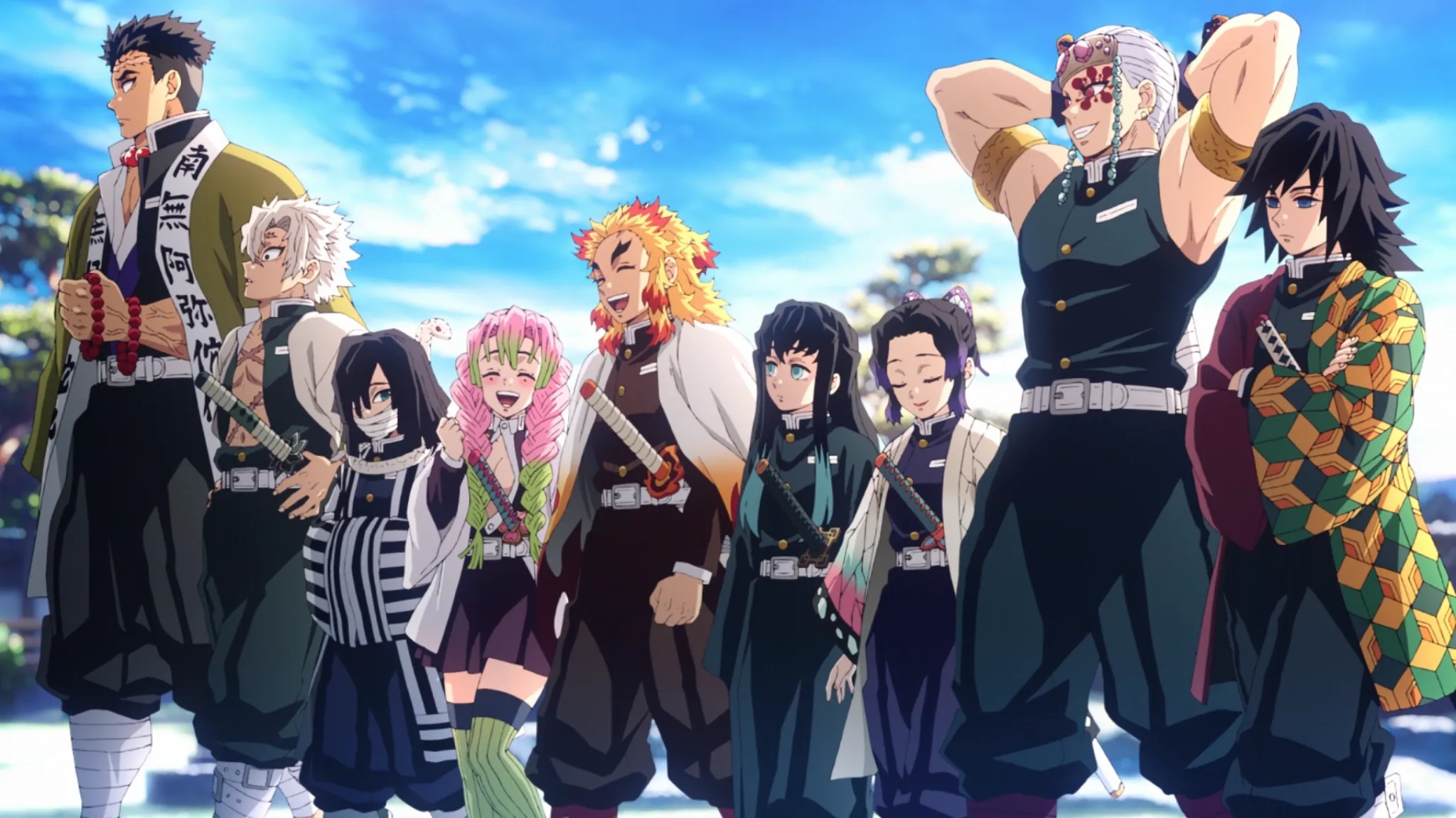

The Hashira are the Demon Slayer Corps' elite swordsmen in Demon Slayer: Kimetsu no Yaiba. Their title means “Pillars,” reflecting the role they play in protecting civilians, guiding younger slayers and facing demons too dangerous for most Corps members. Nine characters form the familiar Hashira lineup of Tanjiro Kamado's era, each with a distinct combat specialty.
Here are all nine, their Breathing Styles and their place in the story. This guide discusses events through the Hashira Training Arc, including Mugen Train and Swordsmith Village spoilers. It avoids revealing the final manga battles except in a clearly marked spoiler note.
What does Hashira mean in Demon Slayer?
A Hashira is a highest-ranking Demon Slayer, not a separate type of human. Hashira are exceptional practitioners of Total Concentration Breathing and generally wield specialized Nichirin weapons. Reaching that rank requires extraordinary demon-slaying accomplishments, not merely learning an unusual technique or belonging to a famous family.
The Pillars also lead dangerous missions, train other members and answer to Corps leader Kagaya Ubuyashiki. The official Hashira Training character guide distinguishes active members from retirees. This matters because the famous list of nine does not describe the exact active roster at every point in the story.
All nine Hashira and their Breathing Styles
1. Giyu Tomioka, Water Hashira
Giyu is the quiet swordsman who encounters Tanjiro and Nezuko at the start of the story. Rather than killing Nezuko immediately, he recognizes Tanjiro's determination and points him toward a trainer. His Water Breathing emphasizes adaptable, flowing sword movements, while his distinctive Eleventh Form, Dead Calm, neutralizes incoming attacks with precise defensive control.
His distant manner conceals survivor's guilt and doubt about his worthiness. The Hashira Training Arc returns to that internal conflict, making him more than the stereotypical calm, powerful mentor.
2. Shinobu Kocho, Insect Hashira
Shinobu is a fast, technically skilled fighter who compensates for her inability to decapitate demons with wisteria-based poison. Her Insect Breathing and slender sword favor piercing attacks instead of heavy slashes. She also contributes medical knowledge at the Butterfly Mansion, where injured Demon Slayers recover and improve their abilities.
Her courteous smile masks grief over her sister Kanae and a deep anger toward demons. Shinobu proves that a Hashira's value is not measured solely by physical strength. VIZ volume 17 later places her poison-based approach against an exceptionally dangerous Upper Rank.
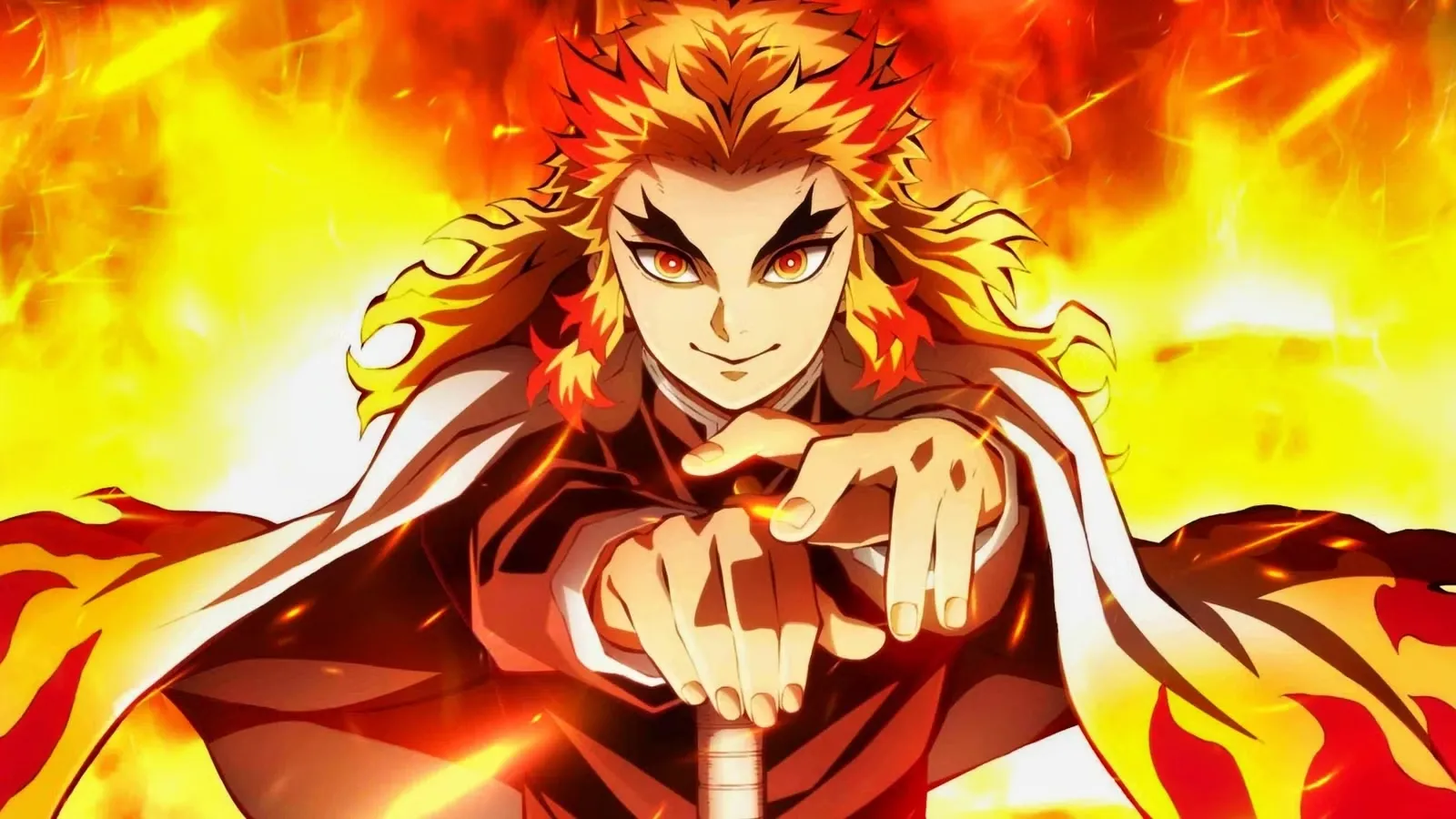
3. Kyojuro Rengoku, Flame Hashira
Rengoku uses Flame Breathing, a direct and forceful sword style that matches his confident personality. During the Mugen Train mission, he prioritizes the safety of passengers while inspiring Tanjiro, Zenitsu and Inosuke. His determination makes him a mentor even though their time together is painfully brief.
Rengoku dies fighting Akaza, Upper Rank Three. The encounter demonstrates the terrifying threat posed by the strongest demons, not a lack of courage or competence. Read our separate analysis of Rengoku's fight with Akaza for the story's emotional stakes.
4. Tengen Uzui, Sound Hashira
Tengen's Sound Breathing combines extraordinary hearing, explosive attacks and two large blades linked by a chain. His shinobi background also gives him experience in stealth, reconnaissance and teamwork, despite his famously flamboyant presentation. He fights alongside Tanjiro's group and his wives during the Entertainment District mission.
Tengen survives the battle against Daki and Gyutaro but loses an arm and an eye. He retires from active Hashira duty afterward, although he later helps train the Corps. Retirement is therefore not the same as disappearing from the fight against Muzan.
5. Muichiro Tokito, Mist Hashira
Muichiro becomes a Hashira at an unusually young age. Mist Breathing uses deceptive changes in pace and movement that make his attacks difficult to follow. Initially detached and forgetful, he recovers painful family memories during the Swordsmith Village arc, revealing the person beneath his blank expression.
His confrontation with Gyokko also demonstrates the impact of the Demon Slayer Mark. That mark is not itself a Breathing Style or a requirement that all Hashira automatically satisfy. Our Demon Slayer Mark guide explains the difference.
6. Mitsuri Kanroji, Love Hashira
Mitsuri's Love Breathing is adapted to her exceptional flexibility, dense musculature and unusually long, whip-like Nichirin blade. Her acrobatic movements allow attacks from angles that would be impractical with a conventional sword. Her cheerful, affectionate personality contrasts with the frightening power she displays in combat.
The Swordsmith Village story also reveals how Mitsuri struggled with being different before joining the Corps. As a Hashira, she finds people who appreciate those differences. Her fight against Hantengu's manifestations connects that emotional growth to her physical abilities.
7. Obanai Iguro, Serpent Hashira
Obanai is recognizable by his bandaged mouth, mismatched eyes and the snake Kaburamaru. His Serpent Breathing favors curving, unpredictable sword trajectories and careful precision. He is severe about discipline, particularly when assessing Tanjiro, and his demanding drills become part of Hashira Training.
Obanai's guarded manner should not be mistaken for indifference. His concern for the Corps and his attachment to Mitsuri are important aspects of his character, developed more fully as the story approaches its conclusion.
8. Sanemi Shinazugawa, Wind Hashira
Sanemi fights with fierce, aggressive Wind Breathing techniques. His scars, temper and hostility toward demons reflect a traumatic family history. He is Genya Shinazugawa's older brother, but their relationship is strained by loss and Sanemi's refusal to explain his feelings openly.
He is a difficult teacher and an intimidating colleague, yet his battle experience and willingness to confront deadly opponents make him essential to the Corps. His personality is deliberately uncomfortable rather than a model for how every leader should behave.
9. Gyomei Himejima, Stone Hashira
Gyomei is the Stone Hashira, a towering warrior who uses a chained axe and flail rather than an ordinary katana. He combines immense strength with extraordinary perception and timing. Although he frequently prays and cries, his compassion exists alongside exceptional resolve and combat ability.
He oversees the most demanding strength exercises in Hashira Training, including Tanjiro's attempt to move a massive boulder. VIZ volume 16 highlights the difficulty of earning his approval. Other characters regard Gyomei as remarkably strong, but the series does not give every Hashira a fixed numerical power rating.
Why are there fewer than nine active Hashira later?
The nine-name list describes the major Pillars introduced during Tanjiro's journey, not a permanent membership count. Rengoku dies after Mugen Train, while Tengen retires after the Entertainment District battle. That leaves fewer active Hashira during the training period, even though both men remain central to discussions of the group.
There were also previous generations of Pillars, including former Water Hashira Sakonji Urokodaki and former Flame Hashira Shinjuro Rengoku. Hashira is a rank held by qualified individuals across time, not a lifelong identity limited to one historical team.
How are Hashira Breathing Styles different?
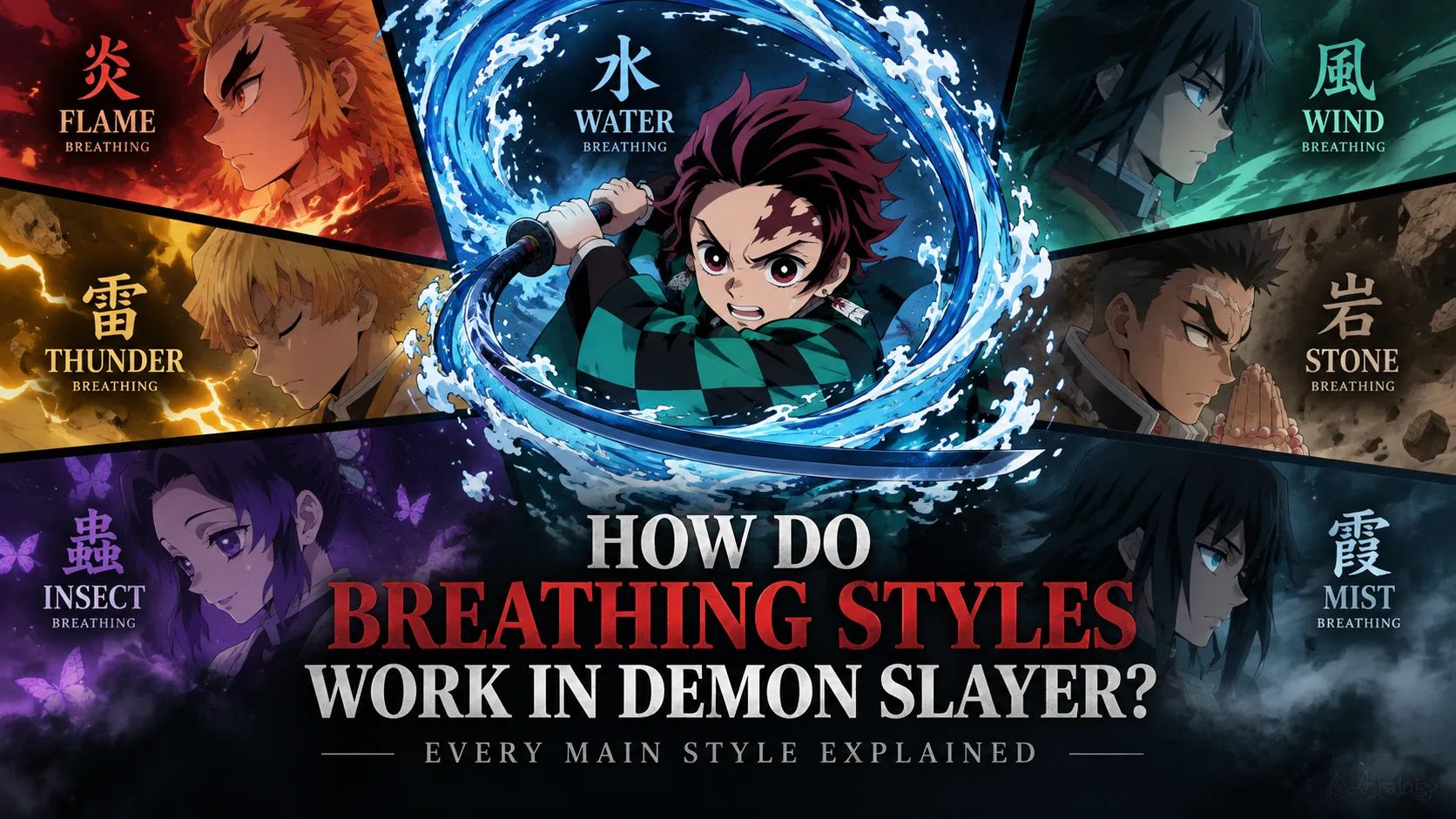
The styles reflect their users' weapons, movements and strengths. Water emphasizes adaptable forms, Flame decisive offense, Insect speed and poison, Sound rhythm and explosives, and Mist misdirection. Love, Serpent, Wind and Stone take very different approaches to range, agility and force. The spectacular elemental visuals should not be confused with ordinary swordsmen literally conjuring those elements.
Different techniques do not automatically produce a simple strongest-to-weakest ranking. A sword form effective against one demon may be less useful against another. Our Breathing Styles explained article explores the system in detail, while Yoriichi and Sun Breathing provides context about its early history.
What happens in the Hashira Training Arc?
The Corps prepares for an approaching confrontation with Muzan by putting its members through specialized drills led by the Pillars. Endurance, flexibility, swordsmanship and physical strength are all tested. These exercises also reveal how different Hashira teach, respond to setbacks and relate to the younger generation.
The official anime site and Crunchyroll's synopsis frame the arc as preparation for the battle with Muzan, not a competition to decide which Pillar deserves the top spot. It is an organizational response to a threat that cannot be defeated through individual bravery alone.
Can a Hashira defeat an Upper Rank demon alone?
Sometimes circumstances favor an individual swordsman, but there is no universal rule. Upper Ranks regenerate rapidly and wield specialized Blood Demon Arts. Rengoku's fight with Akaza, Tengen's coordinated battle against Daki and Gyutaro, and Muichiro's encounter with Gyokko demonstrate how differently those conflicts unfold.
The demons' formal ranking belongs to Muzan's organization, not to the Demon Slayer Corps. Our Twelve Kizuki hierarchy explains Upper and Lower Ranks separately. Treating the two systems as one shared numbered power ladder would erase the tactical details that make their battles interesting.
Final-arc spoiler note
The Infinity Castle and later battles test the Hashira much more severely and resolve several personal stories. This guide intentionally avoids listing final survivors or deaths. Readers who want those outcomes unspoiled can use the nine profiles above as a reference before continuing the manga or anime.
What unites the Pillars is not identical strength or temperament. They are people with different wounds, skills and convictions who choose to stand between ordinary civilians and Muzan's demons. Understanding those differences makes their sacrifices and victories far more meaningful than any unofficial ranking.
Frequently asked questions
Frequently asked questions
Who are the nine Hashira?
Giyu Tomioka, Shinobu Kocho, Kyojuro Rengoku, Tengen Uzui, Muichiro Tokito, Mitsuri Kanroji, Obanai Iguro, Sanemi Shinazugawa and Gyomei Himejima.
What does Hashira mean?
Hashira means Pillar, the title for the Demon Slayer Corps' highest-ranking swordsmen.
Who is the Stone Hashira?
Gyomei Himejima, who fights using a chained axe and flail and leads intense strength training.
Is Tanjiro a Hashira?
Tanjiro is not formally appointed a Hashira during the main story, although he becomes highly skilled and fights alongside them.
Why are there fewer active Hashira later?
Rengoku dies after Mugen Train, and Tengen retires after the Entertainment District battle.
Are all Hashira stronger than Upper Rank demons?
No. Outcomes depend on the specific demon, tactical circumstances, allies and the fighters' abilities.
Sources & references8 sources
- Official Hashira Training Arc character profiles
- Official Hashira Training Arc anime website
- Crunchyroll News: A Guide to the Hashira
- Crunchyroll: Hashira Training Arc synopsis
- VIZ Demon Slayer volume 16
- VIZ Demon Slayer volume 17
- VIZ Demon Slayer manga series overview
- Crunchyroll Hashira Training episode 6