
Spoiler warning: This article discusses the ending of the original Code Geass television series, including R2 episode 25.
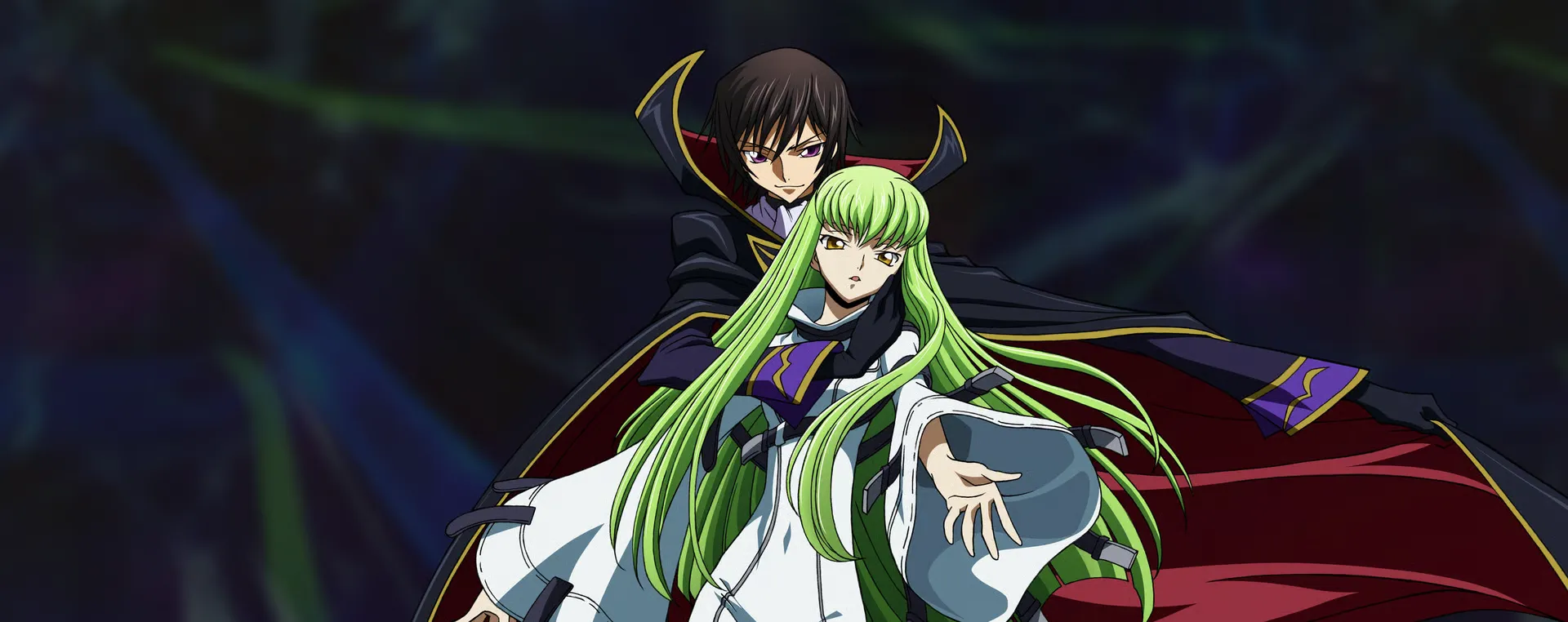
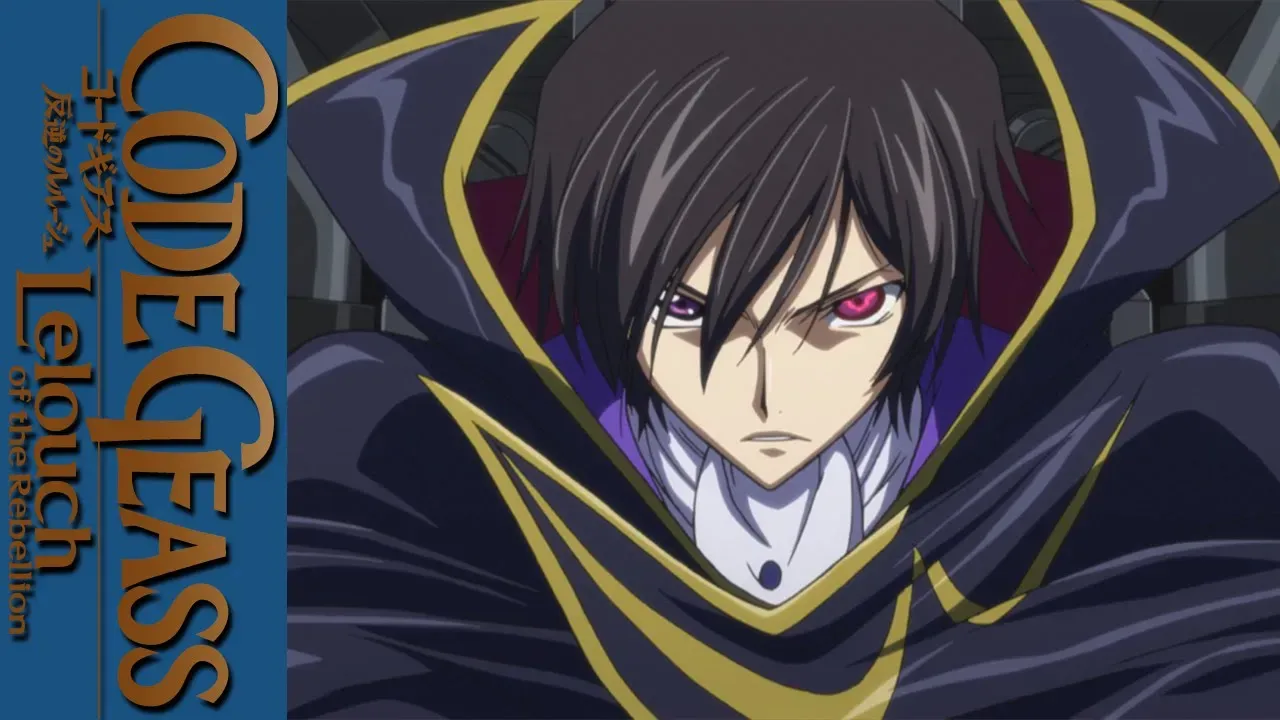
Lelouch creates the Zero Requiem to end his rule, redirect the world's hatred of Britannia toward himself and give its people a common reason to move beyond the war. He deliberately accepts the role of a hated emperor while Suzaku inherits the identity of Zero. His death is the conclusion of their agreement, not an unexpected defeat.
Why becoming emperor was not Lelouch's final goal
For much of Code Geass, Lelouch appears to be working toward the destruction of Britannia from outside its political system. By the end of R2, however, he has taken control of the very empire he once opposed. That reversal makes more sense when you distinguish his position from his objective. Becoming emperor gives him authority over the institutions he wants to change, but remaining emperor would leave the world dependent on his personal power.
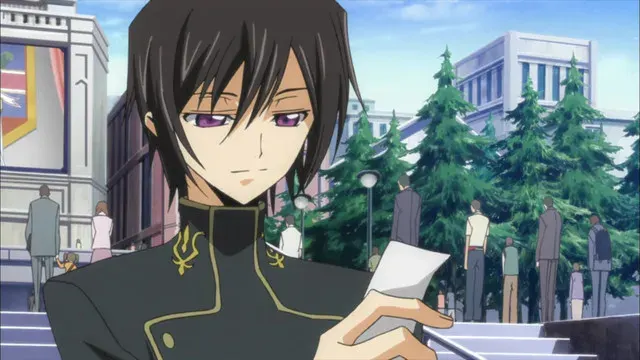
The conflict with his father Charles also matters. Charles wants a world transformed according to his own vision of human relationships. Lelouch rejects that vision because it denies people the opportunity to choose their future. His own final strategy is contradictory in an interesting way: he uses coercion to bring about circumstances in which he hopes coercion will no longer be the foundation of international politics.
Why the world needed Zero rather than Lelouch
Zero is more than a disguise by the time the television series ends. The mask has become a recognizable symbol of resistance to Britannia. Its political meaning can survive the person who originally wore it. Lelouch understands that distinction, and Suzaku's participation allows the identity to continue without its creator.
The contrast between the two identities is central to the finale. Lelouch is associated with the imperial government and its abuses, while Zero can represent liberation from that government. The final episode, listed by Crunchyroll as Final Turn - Re;, presents the completion of the Zero Requiem. The episode's events make clear that the apparent opposition between the two men is part of their shared agreement.
Why Suzaku agrees to the plan
Suzaku and Lelouch spend much of the story disagreeing about how society should change. Suzaku initially seeks reform through existing institutions, while Lelouch uses rebellion and deception. Neither approach protects everyone they care about. Their eventual cooperation is therefore significant: they are not suddenly free of their disagreements or their responsibility for earlier decisions.
Suzaku accepts a future in which his public identity is no longer his own. Wearing the mask means continuing to serve a cause rather than receiving recognition as Suzaku Kururugi. Lelouch loses his future altogether, while Suzaku must live with the obligations of theirs. The ending treats both outcomes as consequences, not uncomplicated rewards.
Was the Zero Requiem a use of Geass?
Not in the literal sense. Lelouch's supernatural ability compels an individual to obey a command under particular conditions. The Zero Requiem is instead a political and symbolic strategy involving people's perceptions of the emperor and Zero. Our guide to Lelouch's Geass and its rules explains the distinction between his supernatural power and ordinary persuasion.
There is a thematic connection, however. Lelouch has spent the series imposing his will on others, often without their consent. The finale asks whether he can create a future that does not require his continued presence. That is a reading of the story's themes, not a separate supernatural rule revealed by the anime.
Did the plan actually create permanent peace?
The television finale depicts a hopeful change in the political situation after Lelouch's death. It does not prove that every future conflict has been eliminated. A shared enemy disappearing can open space for negotiation, but it cannot guarantee that competing interests will never return. The ending is best understood as an opportunity for a different future rather than a permanent solution to human conflict.
This distinction also helps explain why Lelouch's strategy should not be treated as proof that every choice he made was justified. The suffering of people affected by his decisions remains real within the story. His willingness to accept consequences distinguishes his final objective from a simple pursuit of power. For a contrasting example of how another anime protagonist approaches power and responsibility, see our comparison of Light Yagami and Lelouch.
What about Lelouch of the Re;surrection?
The original television ending and the later compilation-film continuity should be kept separate. Lelouch of the Re;surrection follows the film version of the story, which changes events from the television series. Its existence does not establish that the original R2 ending secretly showed Lelouch surviving. Viewers discussing the Zero Requiem should specify which continuity they mean before drawing conclusions about his fate.
Ultimately, the Zero Requiem is the point where Lelouch stops treating victory as something he must personally enjoy. The future he wants for Nunnally and the wider world is one in which he no longer occupies the center of political life. Whether his methods were morally defensible remains open to debate, but the purpose of the plan in the television story is clear.