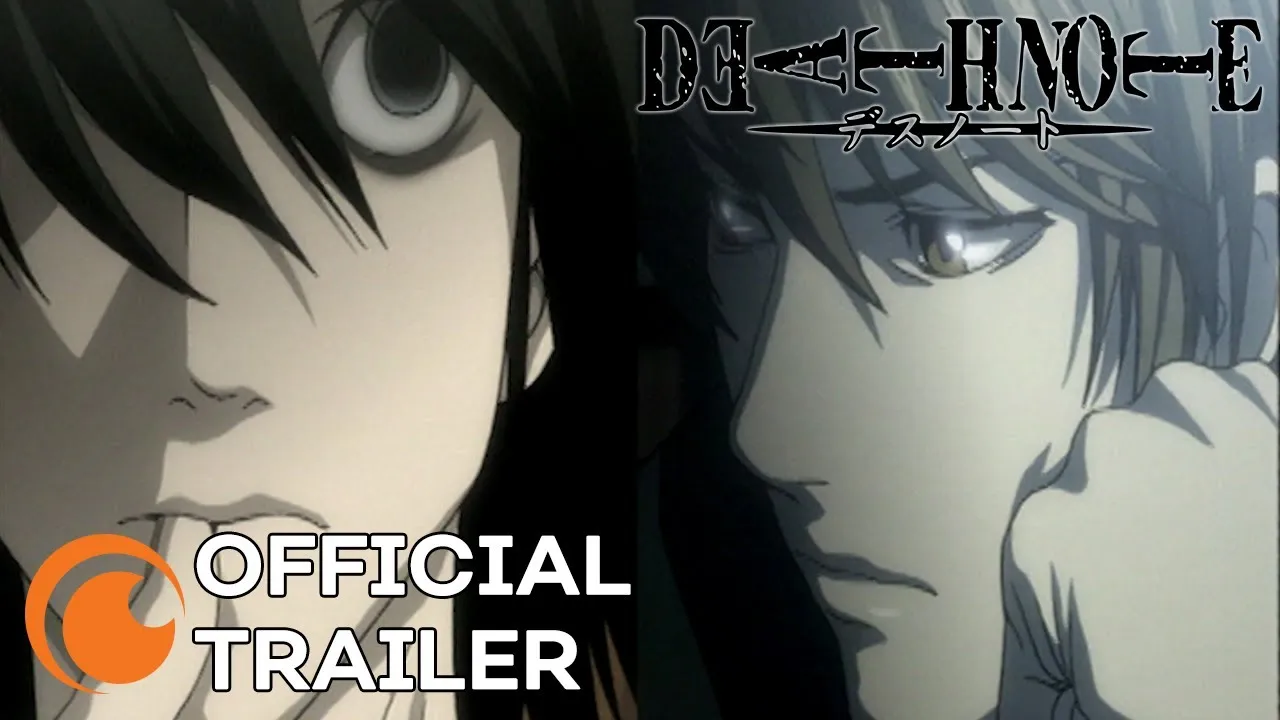

Light Yagami and Lelouch vi Britannia are two of anime’s most compelling schemers, but calling either one the smarter character depends on the problem. Light excels at hiding a secret identity while turning a supernatural murder weapon into an elaborate deception. Lelouch excels at commanding people, improvising under military pressure and reshaping a political system. In a narrow investigation, Light has a strong case. In a prolonged contest of strategy, Lelouch has the edge. Neither result is canon: the characters inhabit different fictional worlds, and this is a comparison of demonstrated decisions rather than an imagined official crossover.
First, define what counts as intelligence
This comparison uses five criteria: deduction, long-term planning, adaptation when a plan breaks, management of allies and consequences of decisions. Raw IQ figures, fan-made rankings and invented percentages are excluded. Both protagonists possess extraordinary supernatural advantages, so it would be unfair to credit every victory entirely to intelligence. Light has the Death Note, whose lethal effect depends on names and faces. Lelouch possesses Geass, which can compel obedience under specific conditions. Their powers change what plans are possible; they do not automatically make the plans brilliant.
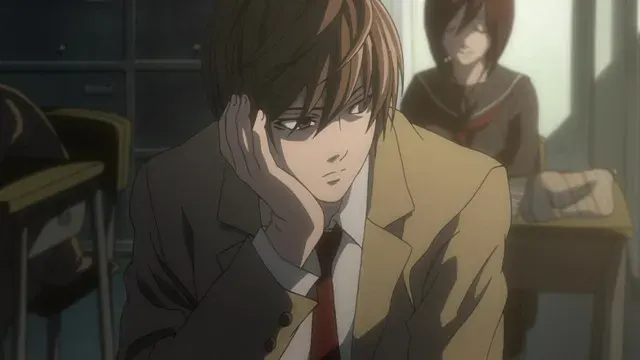
Deduction and deception: Light's strongest category
Light's greatest strength is thinking like both the criminal and the investigator. When L begins closing in on Kira, Light repeatedly constructs explanations that appear innocent while concealing his real actions. He understands surveillance, timing, information asymmetry and how people react when presented with an apparently impossible crime. His ability to maintain an ordinary student persona while conducting a deadly campaign makes him unusually dangerous.
Yet Light's intelligence has a visible weakness: his ego. He reacts to challenges that threaten his self-image, and those reactions can give opponents information. The confrontation involving a televised decoy early in Death Note is a defining example. He wants not merely to avoid capture but to demonstrate superiority. That impulse narrows his options. A clever plan is not always a wise plan, especially when the planner cannot resist proving a point.
Lelouch also conceals an identity, operating as Zero while navigating his life at Ashford Academy. He uses disguises, misdirection and staged communication, but his deception is generally part of a broader movement rather than a solitary murder investigation. His prerecorded conversation against Mao illustrates a different skill: anticipating an opponent's responses well enough to create a convincing illusion of live interaction. Both can deceive. Light has the cleaner case in a game where staying anonymous is the entire objective.
Battlefield planning: Lelouch operates on another scale
Lelouch regularly makes plans involving multiple units, shifting loyalties, political symbolism and opponents who can act independently. The Black Knights are not pieces on a literal chessboard: they have fears, goals and limits of their own. Turning a rebellion into an effective force requires more than predicting a single detective's next move. It demands coordination, logistics, persuasion and willingness to adapt when the environment changes.
This does not mean Lelouch wins every engagement or that his operations are flawless. Some of his most consequential failures come from treating people as instruments in a larger design. Geass itself creates catastrophic risks when its effects or conditions are mishandled. His tactical brilliance coexists with serious moral blind spots and moments of overconfidence.
Light, meanwhile, is exceptional at constructing chains of contingencies within a smaller circle. The Death Note's rules allow him to design schemes that would be impossible without supernatural intervention. But there is limited evidence that he could command a large military organization as effectively as Lelouch. Likewise, Lelouch's battlefield record does not prove he could evade L's forensic pressure better than Light. The scale and kind of intelligence differ.
Who adapts better when a plan collapses?
Light improvises quickly when suspicion shifts, but his instinct is often to tighten control and remove threats. He becomes more vulnerable as his schemes depend on other people performing exactly as expected. Near and Mello expose the fragility of that approach in the final phase of Death Note. The ending is not evidence that Light was never smart; it shows that intelligence without self-correction can become brittle.
Lelouch's path is also filled with reversals. He loses support, misjudges relationships and suffers consequences that cannot be erased by a new maneuver. What distinguishes his later strategy is his willingness to redefine what victory means. The Zero Requiem is a morally troubling plan, but it reflects a shift from personal conquest toward engineering a political outcome at immense personal cost. Readers can disagree about whether that outcome justifies his actions without denying the planning involved.
Allies, trust and leadership
Light treats most collaborators as useful only while they advance his objectives. His control over information is impressive, but it also prevents durable trust. The more his plans rely on subordinates, the more their mistakes and independent motives become liabilities. Lelouch can inspire loyalty and organize people around a public cause, yet he too manipulates allies and damages relationships through secrecy. Neither is a model of healthy leadership.
The distinction is practical. Lelouch has demonstrated the ability to mobilize groups at scale; Light is better at making a small number of people believe they understand his intentions. In a political crisis, coalition-building matters. In a covert contest, compartmentalization matters. A single intelligence score cannot capture both.
The supernatural-power problem
A fair comparison cannot simply say that Lelouch orders Light to surrender or that Light writes Lelouch's name. Those are hypothetical combat conditions, not tests of strategic intelligence. Geass requires its own activation circumstances, while the Death Note has rules concerning identity and the target. A crossover would need to invent how those mechanics interact. This article instead asks what each character has demonstrated without assuming either begins with perfect information about the other.
That separation also makes the ethical contrast clearer. Both characters begin with justifications that can sound appealing from a distance, then take actions that cost other people their freedom or lives. Light increasingly identifies his own survival with justice. Lelouch is willing to make himself an enemy to achieve a desired political outcome. Neither motivation makes the resulting harm disappear.
Verdict: Lelouch for broad strategy, Light for covert mind games
If the challenge is to evade investigators while controlling a secret weapon, Light is the more proven specialist. If it is to lead a rebellion, manage competing factions and adapt a political strategy over time, Lelouch has the more substantial record. Overall, Lelouch narrowly wins this comparison because his demonstrated planning covers more types of problems and larger groups of independent actors. That is an editorial judgment, not an official power ranking.
The better debate is not which protagonist has the larger fictional IQ. It is which kind of intelligence a situation rewards, and whether either character's pride lets him use it responsibly. For more context, read our Death Note Review Why the Anime Still Hits Hard Years Later; see also What Is Geass in Code Geass? Lelouch's Power and Rules Explained, and our Death Note Ending Explained: Why Light Lost to Near and Mello.