
An anime can change a manga ending and still tell a worthwhile story. The real test is not whether the final scene matches the source panel for panel, but whether the adaptation earns its own resolution. Fullmetal Alchemist (2003) and Soul Eater show why that distinction matters: both eventually move beyond their manga storylines, yet the results invite very different questions about continuity, character payoff and what audiences were promised.
Changing the ending is not the same as adding filler
Filler usually refers to material that interrupts or extends an adaptation without fundamentally replacing its destination. An anime-original ending does something more consequential: it decides what the story means after its characters reach a turning point. That choice can change the stakes of earlier scenes, not merely add an extra detour.
A television production also faces constraints a serialized manga may not. A fixed episode order needs a stopping point even when the source is still unfolding. The resulting choice is not simply between fidelity and betrayal. Producers can pause at an unresolved moment, invent a conclusion, or reshape material to create a satisfying television arc. Each option carries a different cost.
Fullmetal Alchemist proves that alternate continuity can work
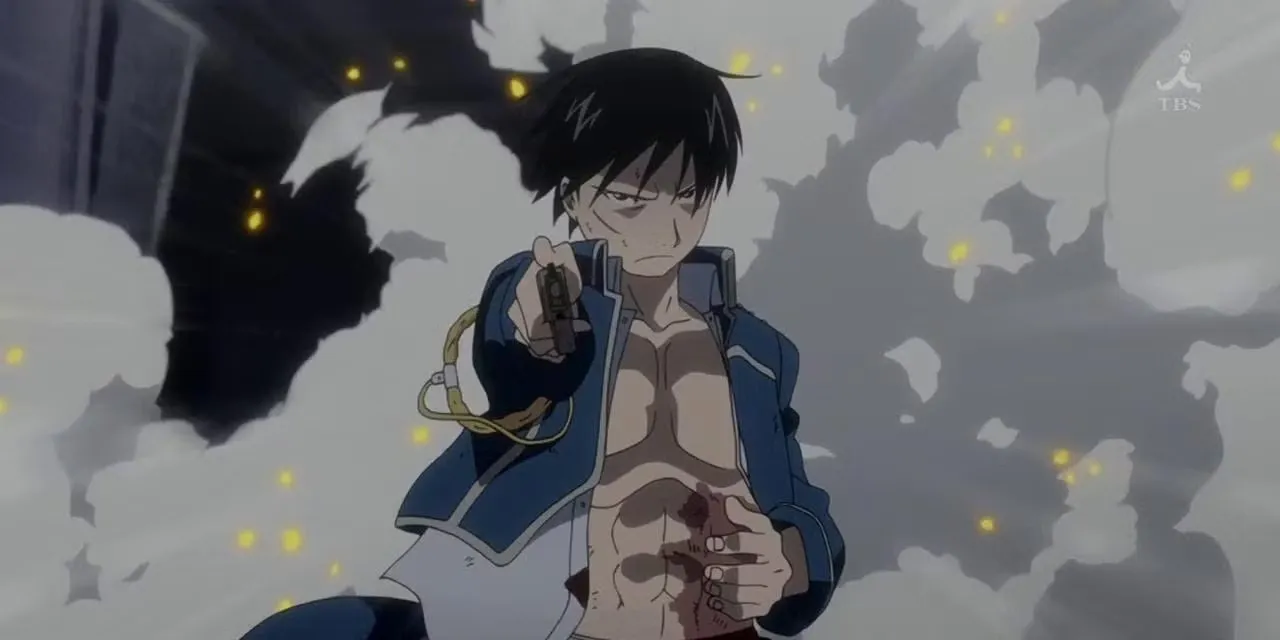
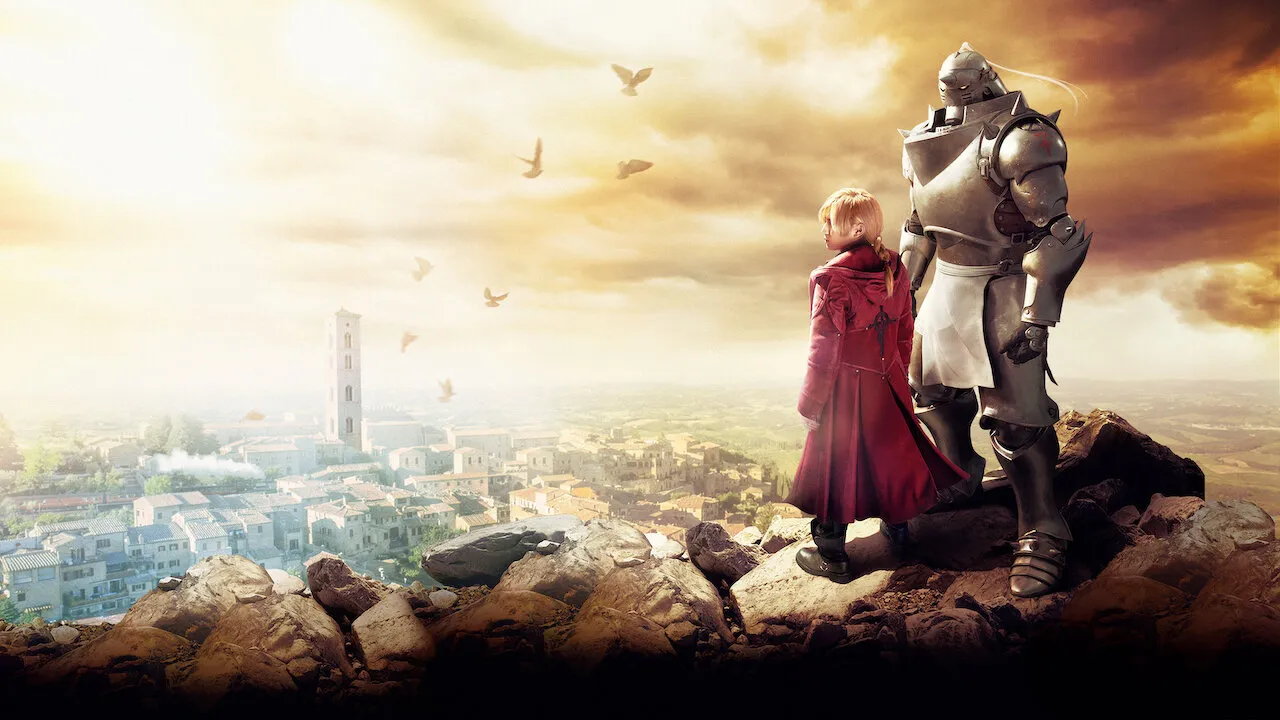
The 2003 Fullmetal Alchemist series began while Hiromu Arakawa's manga was ongoing and developed a separate storyline and ending. Fullmetal Alchemist: Brotherhood later adapted the manga's broader completed narrative. Brotherhood is not a sequel to the 2003 show, and its differences should not be treated as continuity mistakes.
The older series puts a particular weight on the brothers' sacrifices and the uncomfortable consequences of their attempts to recover what they lost. Its television finale does not deliver the same resolution as Brotherhood; the film Conqueror of Shamballa continues that adaptation's continuity. Whether someone prefers that darker direction is a matter of interpretation, but it has an identifiable dramatic purpose.
By contrast, Brotherhood builds toward the manga's wider political and philosophical resolution. Its scale gives supporting characters and the country's institutions greater importance. Calling one version 'correct' and the other 'wrong' misses the point: the manga is the source continuity, while the two anime are different screen narratives. Our guide to Fullmetal Alchemist's equivalent exchange explains the principle that makes both versions' choices meaningful.
Soul Eater shows the risk of a different final act
Soul Eater also reached an anime-original conclusion while Atsushi Ohkubo's manga was still running. The television story diverges in its later episodes, meaning finishing the anime does not reveal the manga's actual ending. That is an important distinction for anyone searching for a chapter that continues directly from the final episode.
The broader problem is not that the show dared to diverge. It is whether the final confrontation feels like the natural culmination of the rules, relationships and threats the adaptation spent dozens of episodes establishing. A finale can be exciting on its own terms yet leave viewers wishing its resolution had been developed over more time. Those are criticisms of execution, not proof that original endings are inherently illegitimate.
Readers interested in the shared world should also see our Fire Force and Soul Eater connection guide. It is useful background, but it does not turn the Soul Eater anime finale into the manga's conclusion.
What makes an anime-original ending feel earned?
First, the new ending must follow the adaptation's own cause-and-effect logic. A character should not suddenly gain a convenient ability, abandon a defining motive or escape a long-established consequence simply because the episode count is running out. The finale should reward details planted earlier, even if those details differ from the manga.
Second, emotional closure matters more than exhaustive explanation. An ending does not need to answer every mystery, but it should resolve the central relationship or moral question the series has emphasized. An ambiguous ending can be satisfying when uncertainty is the point. Ambiguity becomes frustrating when the story simply stops doing the work.
Third, the adaptation should be clear about its identity. Viewers who expect a faithful account of the manga deserve to know when a show takes a separate route. That does not require spoiling the conclusion in advance. It means avoiding misleading claims that a television-only ending is the original author's definitive finale.
Why manga readers and anime-only viewers judge endings differently
Manga readers may evaluate an adaptation against scenes they already know, including character arcs that the television version omits. Anime-only viewers are more likely to judge whether the televised story makes sense without that missing material. Neither perspective is invalid. They are asking different questions: did the adaptation preserve the source, and did the adaptation work as a story?
There is also a difference between a changed ending and a changed theme. A series can rearrange battles, compress side stories or invent a final encounter while preserving its central argument about grief, ambition or responsibility. Conversely, an ending that reproduces familiar events without giving them enough buildup can feel less satisfying than a carefully constructed alternative.
The debate resembles the choice faced by anime remakes deciding how much to retain from earlier versions. Our discussion of classic songs in anime remakes explores another example of adaptation loyalty, where familiarity has value but cannot substitute for artistic judgment.
The verdict: judge the promise the anime actually makes
Anime-original endings deserve scrutiny, not automatic dismissal. Fullmetal Alchemist (2003) demonstrates how a separate continuity can sustain a coherent interpretation of familiar characters. Soul Eater illustrates why an alternative conclusion still has to convince viewers that its dramatic payoff was earned. Neither example creates a universal rule that studios should always change endings or never change them.
The useful question is simple: if you had never read the manga, would this ending follow from the story the anime told? If the answer is yes, the adaptation has a defensible artistic identity. If the answer is no, fidelity alone would not have saved it.