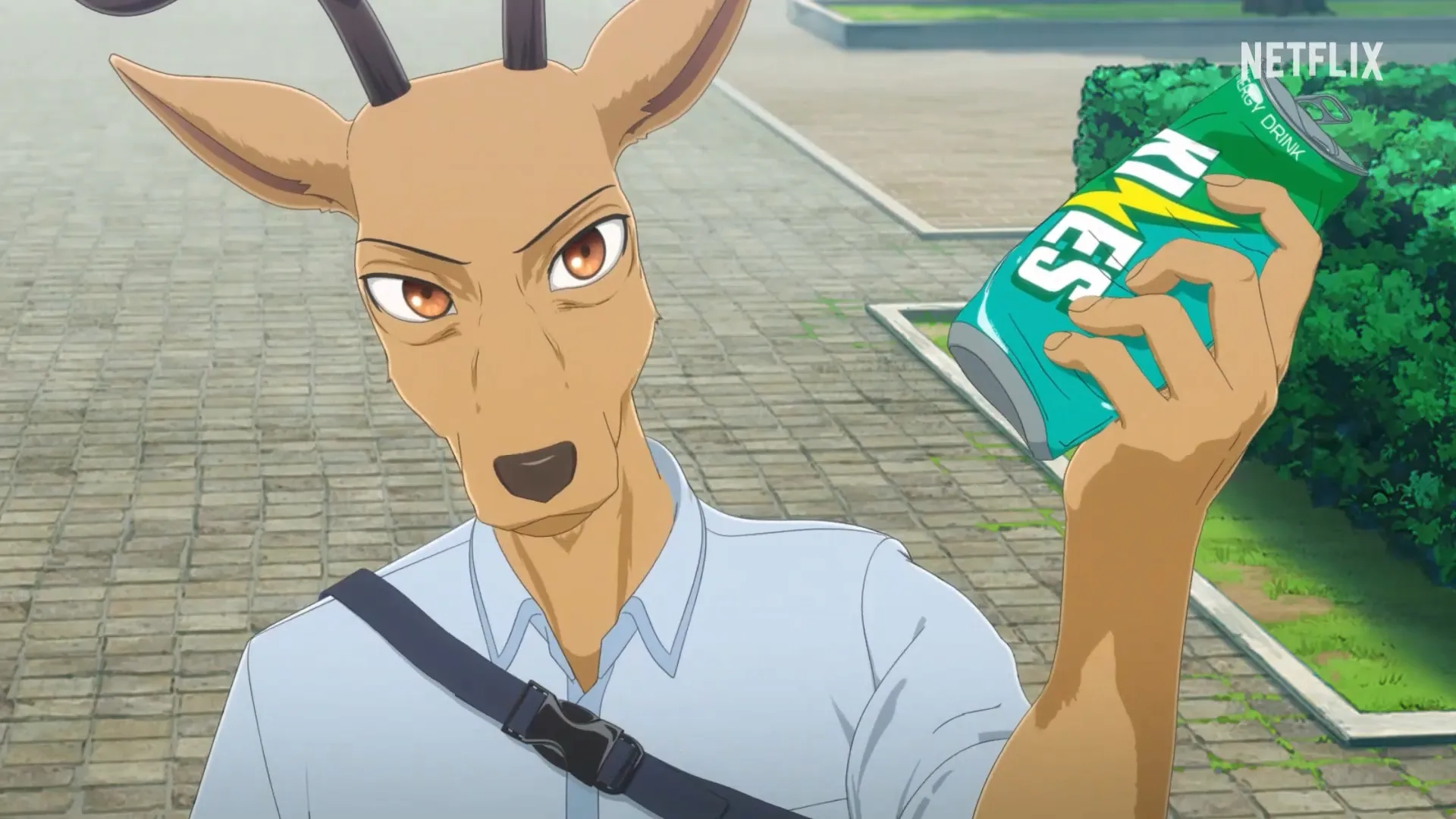

Is anime better watched weekly or binged after a season ends? The answer depends on what a show is trying to do. Weekly viewing gives mysteries, cliffhangers and fan discussions room to breathe. Binging can make slow character arcs, tightly connected scenes and complicated plot details easier to follow. With fall 2026 bringing returning series such as The Apothecary Diaries and Black Clover, the choice is more than a question of convenience: it changes how a story feels.
The case for watching anime weekly
Weekly releases turn a season into a shared event. A single revelation can inspire a week of discussion before the next episode confirms or overturns the most popular interpretation. The anticipation is part of the experience, especially when a story ends episodes on deliberate unanswered questions. The format also gives viewers time to remember smaller details and reconsider earlier scenes.
The Apothecary Diaries is a useful example. Maomao's investigations reward close attention to apparently ordinary conversations, symptoms and court politics. Watching one episode at a time can make the act of forming a hypothesis enjoyable. That does not mean every fan must post theories or avoid spoilers online; it simply means the gap between episodes can become part of the storytelling rhythm. Read our The Apothecary Diaries Season 3 update.
Weekly viewing also helps a long-running hobby fit into ordinary life. A couple of episodes each week are easier to schedule than a full weekend spent catching up. Fans who follow several seasonal shows may prefer that steady routine, while still saving a slower series for later.
Why binge watching can improve a story
Binging removes the interruption between connected scenes. When an arc depends on subtle changes in a relationship or a complicated chain of cause and effect, continuity can matter more than anticipation. You do not need to reconstruct what a supporting character said seven days ago, and a mid-season episode that feels uneventful in isolation may gain purpose when immediately followed by its payoff.
This is particularly valuable for shows that distribute their setup across several episodes. An early conversation, a brief setback and a later reversal can feel like one coherent dramatic movement when viewed close together. It can also make pacing flaws more obvious: repeated flashbacks and recaps are harder to overlook when watched back to back.
There is a practical advantage too. Waiting for the season to finish lets viewers check whether a story reaches a satisfying stopping point before committing. It may also make it easier to avoid an unresolved cliffhanger, although online spoilers become harder to dodge as the season progresses.
Mystery, battle shonen and romance need different rhythms Read our Black Clover Season 2 update.
Mystery anime often benefit from weekly speculation, but only if the clues are sufficiently clear to reward it. A dense political plot can be easier to understand when binged. Neither method guarantees a better experience; the real question is whether a viewer enjoys solving a puzzle between episodes or tracking the full chain of evidence without interruptions.
Battle shonen presents another trade-off. A major fight released in weekly installments can build excitement, particularly when each episode changes the stakes. The same fight watched consecutively may feel faster and more cohesive. Black Clover's action-heavy arcs are an obvious place to test the difference. Fans looking for confirmed broadcast details can consult our Black Clover season 2 update rather than relying on fan-made episode calendars.
Romance and slice-of-life stories often have less urgency to binge. Their appeal can lie in spending a little time with familiar characters each week. Yet gradual relationship development sometimes lands better when the small steps are fresh in your memory. For a quiet series, the best format may simply be whichever makes you want to return.
The spoiler problem changes the calculation
Watching weekly does not make someone immune to spoilers. Manga readers may know upcoming developments, and social feeds can circulate major scenes within hours of an episode's release. Binge watchers face a longer window of exposure because they may wait months for a season to end. Muting keywords and avoiding recommendation feeds can help, but no method is foolproof.
On the other hand, rushing to watch every episode solely to stay ahead of spoilers can turn entertainment into an obligation. If the pressure outweighs the pleasure, it may be better to wait, accept that some surprises could be spoiled, and enjoy the show at a comfortable pace. Read our anime recap movie guide.
What the fall 2026 schedule tells us
Crunchyroll's official fall 2026 lineup lists both The Apothecary Diaries Season 3 and Black Clover Season 2 among its returning series, with weekly subtitle airtimes. That makes this a useful moment to compare viewing habits, but it does not establish a universal rule. A distributor's weekly release schedule is a delivery decision, not proof that the series can only be appreciated one episode at a time.

The other common confusion is treating a recap movie like a shortcut to a complete season. Some compilation films compress earlier episodes while others add new material. Our guide to anime recap movies explains why checking a film's format matters before using it as a substitute for the original episodes.
A practical way to choose
Try three episodes weekly before making the decision. If you find yourself enjoying theories and conversations, keep the weekly rhythm. If you repeatedly forget names, clues or motivations, pause and watch a few episodes together. For action arcs, consider waiting until a major battle concludes, then watching that sequence in one sitting. This approach does not require treating the entire season the same way.
You can also combine formats across shows: follow a headline-grabbing mystery weekly, save a complex drama for a binge and use short comedies as occasional breaks. That is not an inferior way to be a fan. The best viewing schedule is the one that helps you notice what the anime does well.
Verdict: neither format wins every time
Weekly anime is strongest when anticipation, theories and a shared conversation add value. Binge watching is strongest when narrative continuity and immersion matter more. Rather than arguing that one camp watches anime correctly, ask what kind of pleasure the series offers and what you personally want from it. The same viewer can reasonably prefer both approaches in the same season.
Frequently asked questions
Is binge watching anime worse for understanding the plot?
Not necessarily. Consecutive viewing can help with continuity, although watching too many episodes without a break may make details harder to retain. The effect depends on the show and the viewer.
Should you wait until an anime season finishes?
Wait if uninterrupted storytelling matters more to you than weekly discussion. Watch as episodes arrive if anticipation and participating in the conversation are part of the fun.
Do weekly anime episodes always release at the same time?
No. Release times and territories vary by series and platform, and schedules can change. Check the official distributor's current listing rather than assuming every show follows the same timetable.