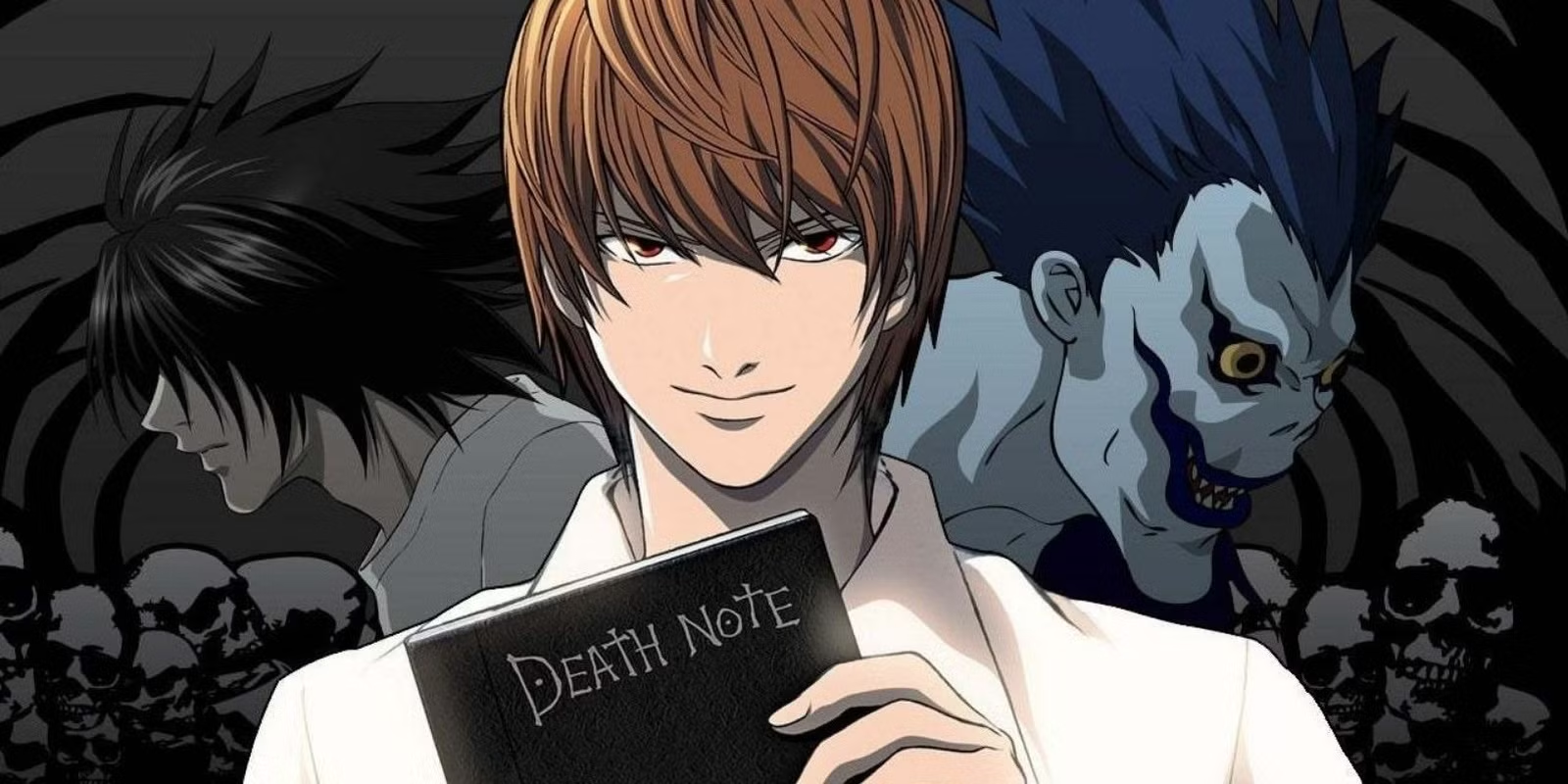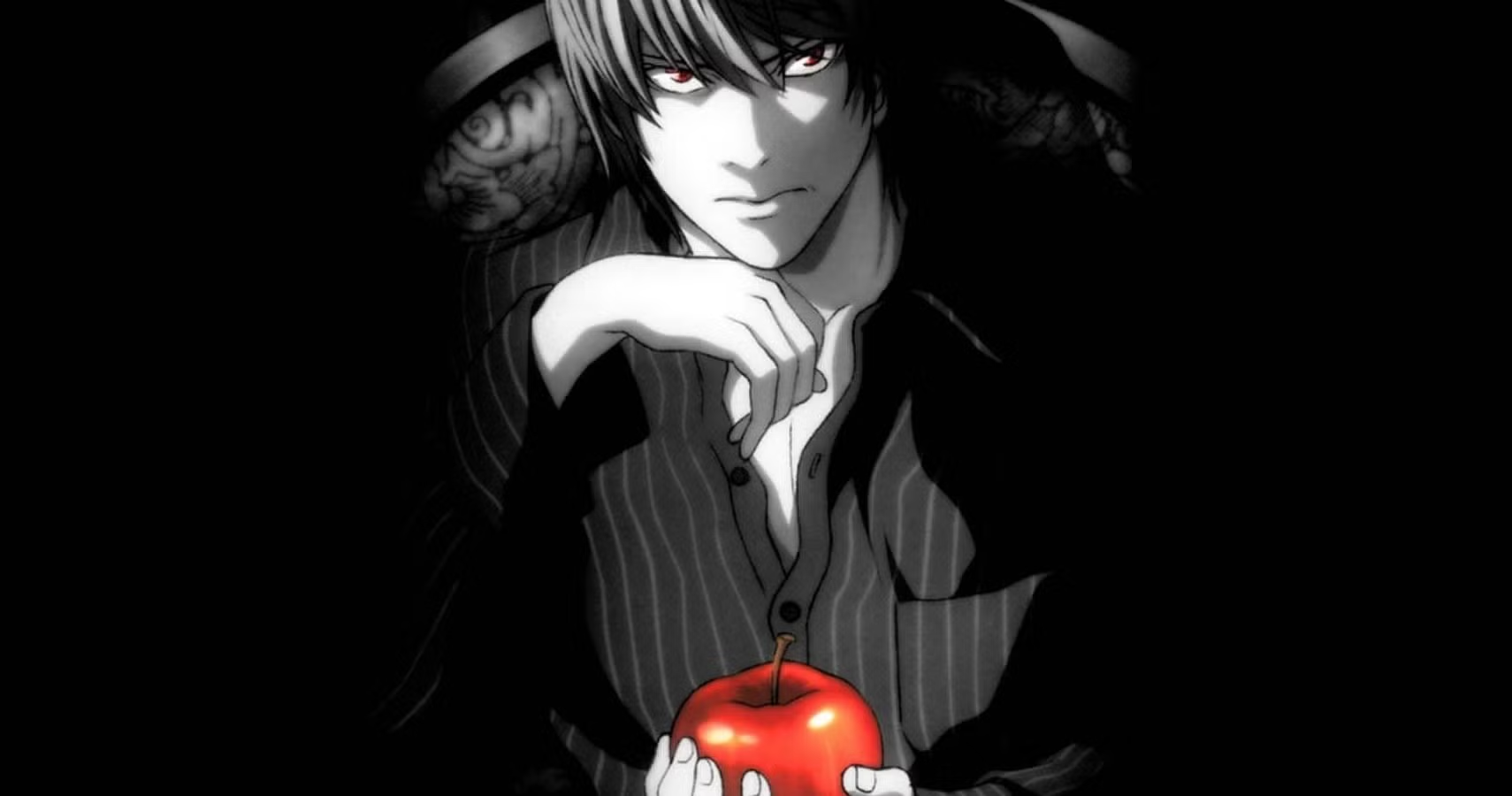

Death Note ends with Light Yagami exposed as Kira, but the final confrontation is more complicated than Near simply outsmarting him. Light loses because his carefully controlled plan depends on another person behaving exactly as expected. Mello creates an emergency, Teru Mikami reacts independently, and Near turns that unexpected movement into the evidence he needs. Ryuk then delivers the final consequence. Understanding those linked decisions makes the ending more satisfying, especially if the anime's last two episodes felt unusually fast.
Major spoiler warning: this explanation covers the entire 37-episode anime and the conclusion of Tsugumi Ohba and Takeshi Obata's original manga, including differences between their endings.
What happens at the end of Death Note?
Light arranges a meeting at the Yellow Box warehouse between the Japanese investigation team and Near's Special Provision for Kira, or SPK. His intention is to make everyone believe they are gathering to expose Kira while secretly ensuring that Kira is the only person who survives. Mikami, a devoted supporter entrusted with carrying out Kira's killings, is supposed to write the investigators' names in a notebook from outside the meeting.
Light thinks Near has identified and tampered with the notebook Mikami visibly carries. That is part of Light's trap: the visible notebook is a decoy, and the genuine one is kept elsewhere. Light expects Mikami to arrive with the real notebook for the decisive confrontation. Once the names are written, the Death Note's usual delay should leave Light standing among the dead. Instead, nobody dies. The failure exposes both the notebook switch and Light's confidence in a plan that was no longer under his control.
Why did Light's plan fail?
The turning point happens before the warehouse meeting. Mello kidnaps Kiyomi Takada, the public voice of Kira and a person involved in Light's hidden communication network. Takada is dangerous to Light if captured, so her disappearance creates an urgent problem that the normal routine cannot solve. Light takes steps to silence her. Mikami also decides that Takada must be eliminated, without knowing Light has already acted.
Mikami's choice is disastrous for Light. To act, Mikami visits the bank where the genuine Death Note is hidden. The unexpected visit attracts attention from Near's surveillance team. Stephen Gevanni follows the lead, identifies the real notebook, and the SPK arranges to substitute a convincing copy. Near's initial attention had been directed toward the decoy. Mello's intervention gives his team the missing opportunity to locate the actual weapon.
This distinction matters because Mikami does not suddenly forget how the Death Note works. He makes a decision that is consistent with his loyalty to Kira but inconsistent with Light's private assumptions. Light's strategy requires flawless coordination while deliberately limiting how much his followers know. The very secrecy that protects him prevents him from correcting Mikami when circumstances change.
How does Near prove Light is Kira?
At the warehouse, Mikami writes the assembled investigators' names in the notebook he believes is genuine. Light expects their deaths and effectively reveals that he anticipates victory. The countdown passes without a single victim. Near explains that the notebook Mikami used has been replaced, then points to the most revealing omission: Mikami wrote everyone else's name but not Light's.
The missing name is powerful evidence in context, not a magic rule that automatically identifies a criminal. Mikami's behavior shows that he regards Light as the person he serves. Light's reactions and subsequent attempts to escape responsibility complete the exposure. When Light tries to use a hidden scrap of notebook paper in his watch, Touta Matsuda shoots him to stop another killing. The final scene strips away the elaborate identities and alibis that once made Light seem untouchable.
Did Near defeat Light alone?
No. Near is the detective who sets the final trap, but Mello's risky action makes it possible. Near prefers surveillance, deduction and a controlled confrontation. Mello is willing to take disruptive action that changes the board. Neither approach alone is presented as a guaranteed solution. Mello's kidnapping causes Mikami's unscheduled bank visit, and Near's team knows how to exploit it.
That is also why the story's second half should not be reduced to the question of whether Near is smarter than L. Near and Mello inherit different parts of L's unfinished work. Their combined impact creates the opening that L never had. The manga spends more time on the mechanics of this investigation than the anime's compressed final stretch, which is one reason readers sometimes find the printed conclusion easier to follow.
Why does Ryuk kill Light?
Ryuk is not Light's guardian angel, partner in justice or loyal accomplice. From the beginning, the shinigami is fascinated by the entertainment produced when a human gains a supernatural power. He gives Light a tool but does not promise to save him from its consequences. At the end, Ryuk writes Light Yagami's name in his own Death Note. That action, rather than Matsuda's gunshots, is what ultimately ends Light's life.
The ending closes a circle established by the series' premise. Light has spent years treating other people as names that can be erased for his preferred future. His final fate is decided by another being writing his name. Ryuk's decision is not proof that Kira was morally correct or that Ryuk was secretly orchestrating a just punishment. It is the final demonstration that Light never controlled the power as completely as he imagined.
Does Light die differently in the anime and manga?
The anime ending
In episode 37, titled New World, the wounded Light escapes the warehouse after the confrontation collapses. He runs through the city, and the anime briefly contrasts his dying present with the student he once was. Ryuk writes his name, and Light dies on a staircase. The quiet staging and image of L make the ending feel mournful, even though the story does not excuse Light's crimes.
The manga ending
In the original manga's final confrontation, Light remains at the warehouse. Desperate, he appeals to Ryuk to eliminate his enemies, only to realize that Ryuk is writing his own name. His death is witnessed by the people he manipulated. The manga's presentation is harsher and more humiliating; it makes the collapse of Light's self-proclaimed godhood impossible to romanticize. The core outcome is identical in both versions: Near exposes Kira and Ryuk kills Light.
The manga also includes a later epilogue examining the world after Kira. It raises a speculative question through Matsuda about whether Near may have used the notebook to control Mikami. That idea is a character's suspicion, not an established revelation. It should not be repeated as proof that Near cheated.
Was Light's biggest mistake trusting Mikami?
Mikami's bank visit is the immediate practical mistake, but blaming him alone misses the larger pattern. Light chooses followers who obey his ideology, treats them as interchangeable tools and assumes he can predict their choices. When Takada is abducted, Mikami acts according to what he thinks Kira needs. Light has built a system that punishes independent judgment while depending on it during emergencies.
Light also misreads Near. He believes identifying a decoy means Near has exhausted his options, and he becomes more concerned with displaying superiority than with checking the plan's weakest assumptions. His downfall is therefore both tactical and thematic: the man who claims he can design a perfect world cannot reliably manage the actions of the few people closest to him.
What does the ending say about Kira's idea of justice?
Death Note begins with an argument that can sound deceptively simple: remove dangerous criminals and society might become safer. The story gradually shows how that premise changes when one person has unchecked authority to decide who deserves to live. Light kills investigators, manipulates allies and protects his own identity whenever his supposedly noble mission is threatened. By the finale, preserving Kira matters more to him than the original promise of protecting people.
Near's victory does not solve every ethical problem in the world. It does show why being clever is not the same as being entitled to rule. The ending challenges Light's claim to moral superiority by showing how easily his ideal becomes a demand for obedience. Readers interested in the series' broader moral argument can also explore our Death Note review, which considers why the thriller remains compelling beyond its plot twists.
What happens after Light dies?
The original story does not imply that Kira's death instantly creates a perfect society. Its epilogue shows that the effects of his reign and the beliefs of his supporters outlast him. VIZ has also published Death Note Short Stories, a separate collection by the original creators that revisits the notebook's influence in later stories. Those stories expand the setting, but they do not undo the ending of Light's conflict with Near.
For a first viewing, the essential answer is straightforward: Light is caught because Mello disrupts his schedule, Mikami exposes the real notebook, and Near takes advantage. Ryuk finishes the story because he was never obligated to protect Kira. The deeper answer is that Light loses control long before his name is written down. His need to control everyone else creates the blind spot that defeats him.
Frequently asked questions
Who actually killed Light Yagami?
Ryuk kills Light by writing his name in a Death Note. Matsuda shoots Light during the warehouse confrontation, but those wounds are not the final cause of death.
Why didn't Mikami write Light's name?
Mikami believes Light is Kira and intends to spare him while killing the investigators. That omission helps Near expose Light at the warehouse.
Could Light have won if Mello had not kidnapped Takada?
His plan might have been harder to defeat because Mikami's unexpected bank visit would not have revealed the genuine notebook. The story does not establish a certain alternate outcome.
Is the Death Note ending different in the manga?
The central outcome is the same, but the anime has Light flee and die on a staircase, while the manga keeps his death inside the warehouse and includes a later epilogue.
Did Near use the Death Note to defeat Light?
The manga includes a suspicion voiced by Matsuda that Near might have manipulated Mikami. It is not confirmed as fact; Near's demonstrated plan relies on locating and replacing the real notebook.
Frequently asked questions
Frequently asked questions
Who actually killed Light Yagami?
Ryuk kills Light by writing his name in the Death Note. Matsuda shoots Light earlier, but Ryuk's action ends his life.
Why did Mikami not write Light's name?
Mikami recognizes Light as Kira and intends to spare him while killing the other investigators.
Did Mello help Near defeat Light?
Yes. Mello's kidnapping of Takada causes Mikami to reveal the real notebook's hiding place, which Near's team exploits.
Does Light die differently in the manga?
Yes. The anime shows him fleeing and dying on a staircase; the manga keeps his death inside the warehouse.
Did Near use the Death Note on Mikami?
The manga raises that as Matsuda's theory but never confirms it.