
Spoiler note: This explanation covers the opening episodes of Parasyte: The Maxim, without revealing the finale.
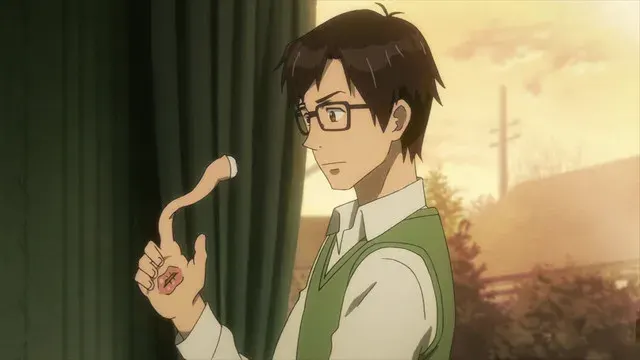
Migi takes over Shinichi Izumi's right hand because its attempt to reach his brain fails. Shinichi interrupts the invasion before the creature can complete its journey, leaving it to mature in his arm instead. Unlike most infected people, Shinichi retains his own mind. Migi develops a separate intelligence within the same body, creating the unusual partnership at the heart of Parasyte.
What happens during the first episode?
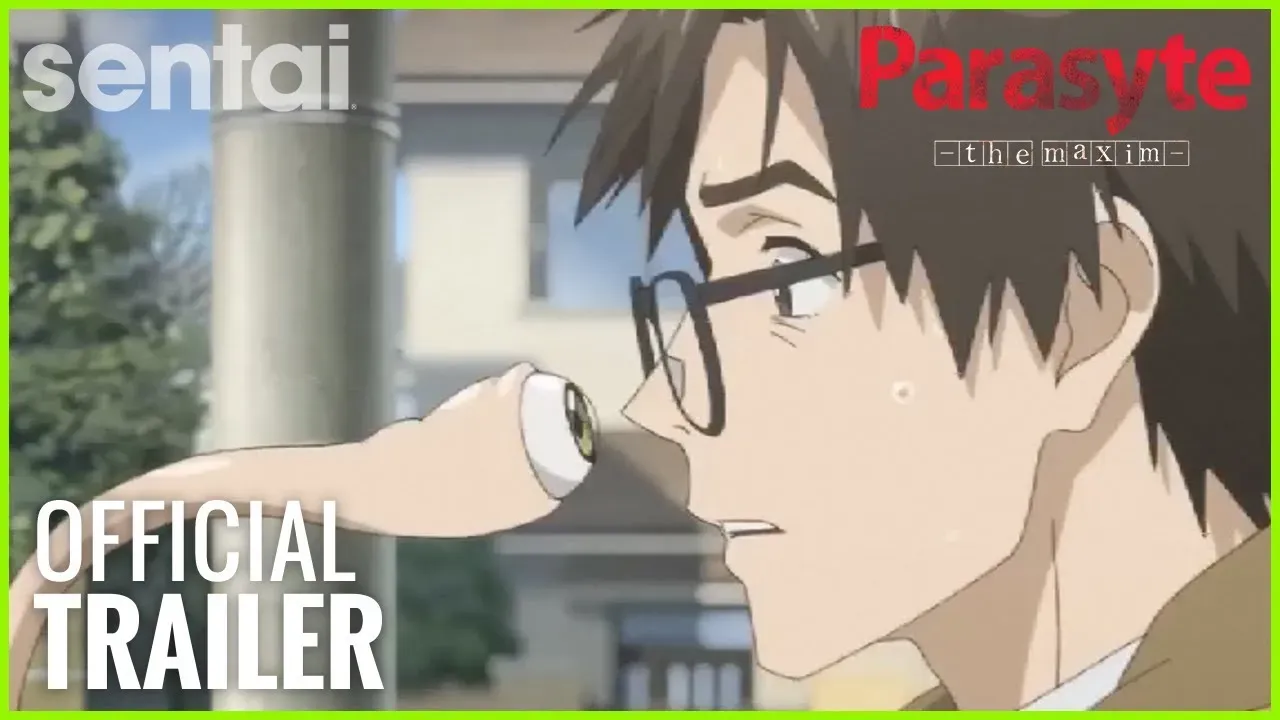
The opening episode, The Metamorphosis, establishes that Shinichi's encounter is an accident rather than a deliberate choice by either character. The creature approaches him while he is in bed. His earphones obstruct one route, and he reacts when the organism tries another. It eventually penetrates his hand, but Shinichi prevents it from advancing farther up his arm.
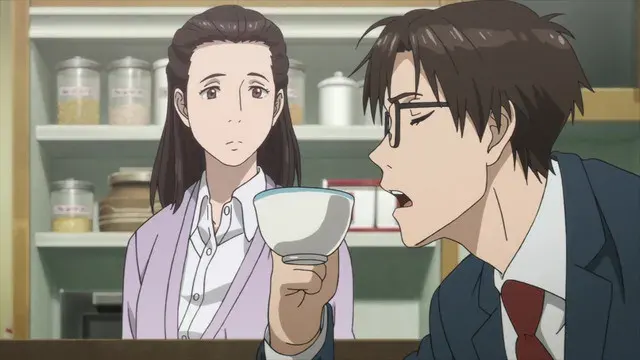
The broadcaster's official series overview confirms the essential outcome: the creature fails to reach the brain and assimilates with the right arm. The detailed episode recap provides the context for Shinichi's resistance. This distinction is important because the series does not suggest that his hand was the parasite's preferred destination.
Why is reaching the brain so important?
The normal invasion replaces the human being as the controlling intelligence of the body. A successful parasite can maintain an ordinary human appearance while concealing its ability to reshape its tissues. The original person's continued independent consciousness is not part of that arrangement. Kodansha's description of the first manga volume establishes this takeover as the basic threat facing humanity.
Shinichi is an exception because his brain remains his own. He can think, make decisions and experience emotions independently of the creature. Migi can act through the tissue it has occupied, but it cannot simply decide what Shinichi believes or make him agree with its plans. Their arguments are genuine disagreements between two minds, not an internal conversation between different sides of one personality.
Can Migi still move into Shinichi's brain later?
The first episode answers this concern directly through the creature's explanation of its own development. Having matured in the hand, it says that it can no longer complete the original takeover. That is a limitation of its established form, not a promise that it will behave kindly. Shinichi has escaped the usual fate of a host, but he has not escaped the danger of sharing his body with another organism.
This also explains why removing the hand is not an attractive solution for either character. Migi depends on the living host, while Shinichi would lose a limb. Their situation is closer to a forced biological partnership than a detachable supernatural weapon. The story treats that dependency as a source of tension rather than a convenient cure.
What does the name Migi mean?
Migi comes from the Japanese word for right. The name describes where the organism settled, not its species or a special rank among parasites. Nippon TV's official synopsis explicitly identifies this meaning. The simplicity of the name suits a creature that initially approaches the world in a practical, literal way.
Why do Shinichi and Migi cooperate?
At first, cooperation is a survival arrangement. Shinichi wants to remain alive and protect his ordinary life. Migi wants to preserve the body on which its existence depends. These goals overlap whenever another parasite threatens them, but they are not identical. Shinichi cares about people who have no direct bearing on his own survival, whereas Migi initially evaluates situations through risk and self-preservation.
That difference makes their partnership more interesting than a conventional hero receiving a new ability. Shinichi cannot assume that his companion shares his moral priorities. Conversely, Migi must deal with a host whose choices are not always the most efficient way to stay safe. Their conversations force both characters to confront assumptions that would otherwise go unchallenged.
A related identity conflict appears in Tokyo Ghoul, although its mechanism is different: Kaneki's transformation changes his own physiology rather than installing an independent mind in his hand. Our explanation of Kaneki's changing appearance explores that distinction from another angle.
Why the failed invasion matters to the whole story
If Migi had completed its original objective, the central relationship would not exist. By preserving two independent perspectives inside one body, the premise allows the anime to examine whether empathy, intelligence and the desire to survive necessarily belong together. Neither character can dismiss the other as an abstract enemy when their everyday lives are so closely connected.
This is also why the series works as psychological science fiction rather than simply a monster story. Viewers interested in similarly difficult questions about identity and moral judgment can explore these psychological drama anime recommendations.
The essential answer is therefore a failed brain invasion, not a hidden power or a special destiny. The right hand is where Migi ended up, and the consequences of that accident give Shinichi and Migi a relationship neither of them originally intended.