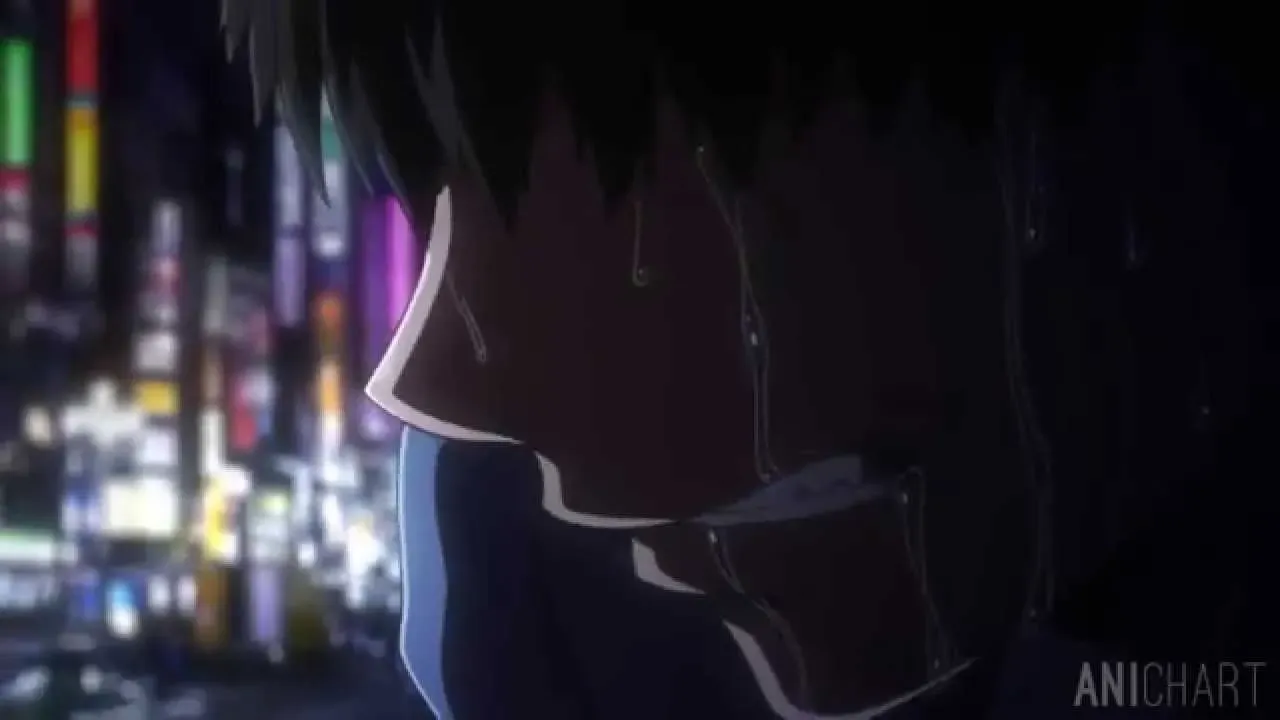

Kaneki's hair turns white during Yamori's torture because the ordeal puts his body and mind under extreme strain, while the story uses the change to mark his decision to stop resisting his ghoul identity. The manga shows the whitening developing through the ordeal rather than treating it as a new combat power. Later chapters complicate the simple idea that fear alone changed his hair.
When does Kaneki's hair turn white?
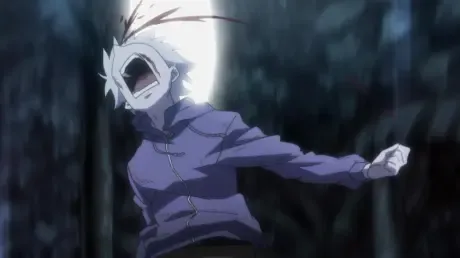
The decisive change happens during the Aogiri Tree captivity arc in Sui Ishida's Tokyo Ghoul, particularly the events collected in Volume 7. Yamori, also called Jason, repeatedly tortures Kaneki. The pressure is both physical and psychological: Kaneki has to confront his inability to protect others and his refusal to accept the ghoul side of himself. VIZ's official Volume 7 description explicitly places his surrender to that identity in this ordeal.

In the television adaptation, the transition is presented dramatically around the final confrontation with Yamori. The manga communicates a more gradual process across the captivity sequence. That distinction matters if you remember a single striking anime scene and wonder whether his hair literally changed color at the exact instant he accepted Rize.
Is it stress, ghoul regeneration or a new transformation?
Extreme stress is the immediate narrative context, but the story does not introduce white hair as a named ghoul transformation with its own power set. Kaneki is repeatedly injured while his ghoul physiology allows him to recover. The connection between bodily damage, recovery and pigmentation is discussed more fully in Tokyo Ghoul:re, so reducing the entire explanation to one psychological shock misses the later manga's attention to physical processes.
Fans often call the change Marie Antoinette syndrome. That phrase describes a popularly discussed phenomenon of rapid hair whitening, not an established diagnosis for this fictional character. Nor should the manga's supernatural regeneration be mistaken for a realistic medical mechanism. A more careful reading separates what the story depicts from attempts to fit it into real-world dermatology.
The hair is also not a reliable meter of how much ghoul power Kaneki possesses. His combat ability depends on his kagune, physiology, experience and circumstances. White hair makes a recognizable visual shorthand, but it does not itself grant regeneration or strength.
What does the white hair symbolize?
Before the torture, Kaneki repeatedly tries to preserve the habits and moral boundaries of his human life. Yamori's cruelty pushes him toward a brutal survival choice. His changed appearance marks a fracture between the hesitant student seen earlier and the person willing to fight back. The symbolism is especially clear because the story pairs the visual change with a different attitude, not simply a different costume.
That does not mean Kaneki permanently stops caring about people or becomes an emotionless monster. He continues to form attachments and make painful choices. Treating white hair as proof that his humanity has disappeared flattens a character whose central conflict is precisely the difficulty of being both human and ghoul.
For a different psychological anime that also uses a protagonist's identity crisis as its central tension, see our psychological drama anime recommendations; the list helps distinguish identity-focused stories from straightforward action thrillers.
Why does Kaneki's hair become black again in Tokyo Ghoul:re?
Spoiler warning: the following discusses Kaneki's appearance and identity in Tokyo Ghoul:re. Under the identity of Haise Sasaki, his hair develops darker areas, and later changes again as his circumstances and sense of self shift. The manga connects changes in pigmentation with his body's condition and RC-cell activity, while using black and white to reinforce the instability of his identity.

That is why a purely symbolic answer is incomplete, but a purely biological one is also unsatisfying. The visual design serves two jobs: it tracks a body altered by ghoul physiology and communicates a character whose memories, loyalties and self-image are under pressure. The color can change without the narrative simply undoing the torture or returning him to his original personality.
Does the anime explain it the same way as the manga?
The original Tokyo Ghoul anime conveys the core Yamori-torture turning point, but later anime adaptations compress and rearrange substantial material from the manga. If you want the full context for Kaneki's subsequent identities and changing appearance, the manga and Tokyo Ghoul:re provide a more coherent path than relying on isolated anime scenes.
This is an adaptation issue rather than evidence that every version follows identical details. Our discussion of anime changes to manga endings offers a broader comparison of why adaptation choices can affect how viewers understand character developments.
So what is the best answer?
Kaneki's hair becomes white amid Yamori's sustained torture, with physical strain and ghoul regeneration forming the in-story context and his acceptance of his ghoul side giving the moment its symbolic force. The manga's later treatment of hair pigmentation and identity makes clear that it is not a permanent power-up or a simple one-time reaction to fear. Read Volume 7 for the original turning point and Tokyo Ghoul:re for the later changes.
If you want more stories where identity and moral choices matter more than a sudden power increase, our Monster psychological horror analysis examines a very different approach to the same broad concern.