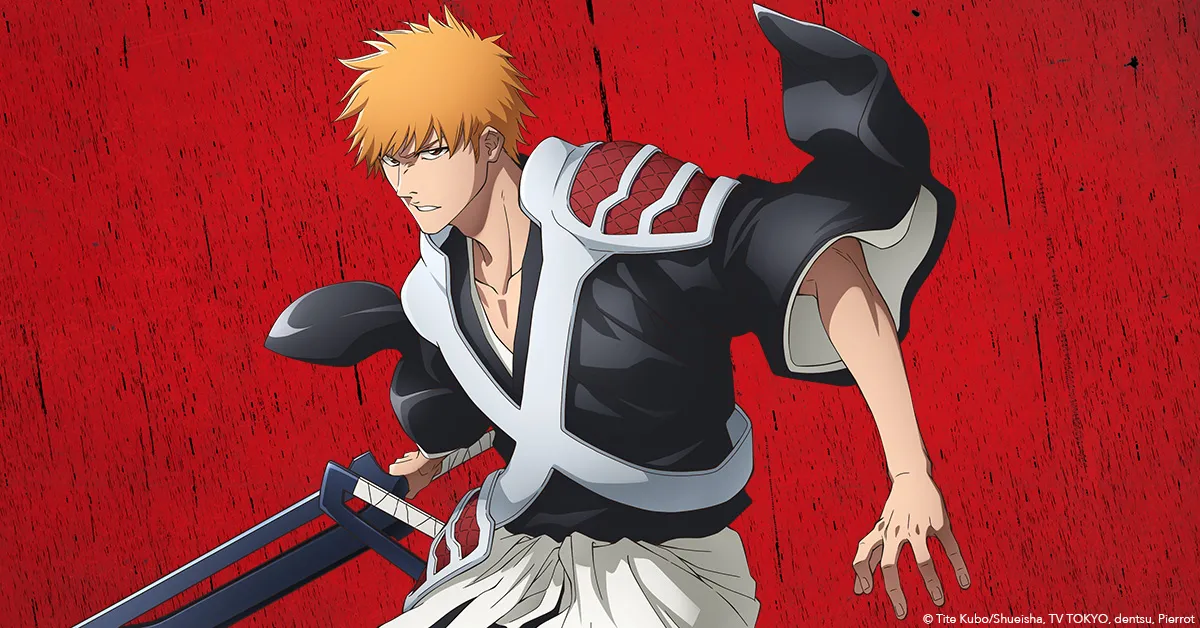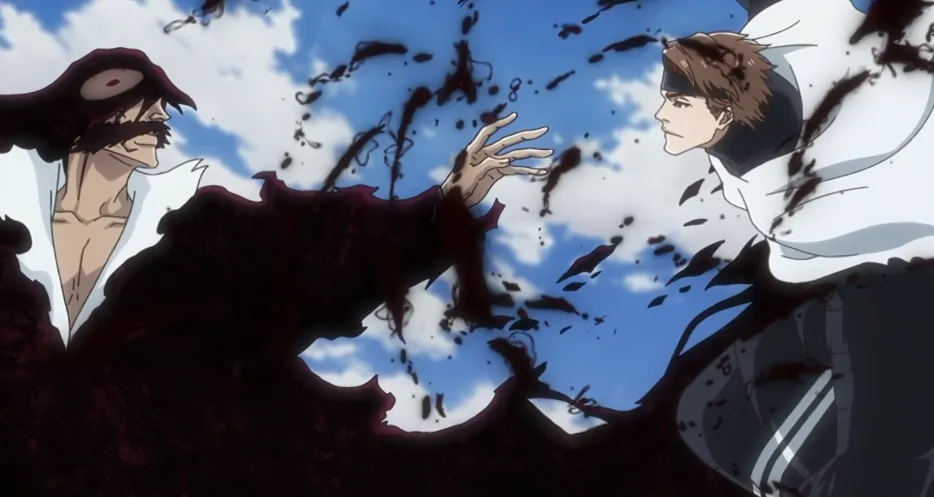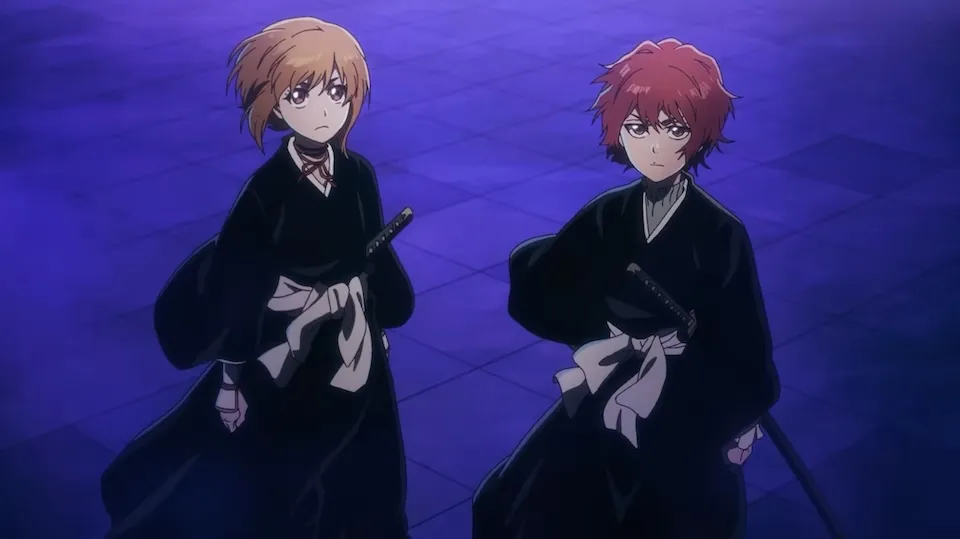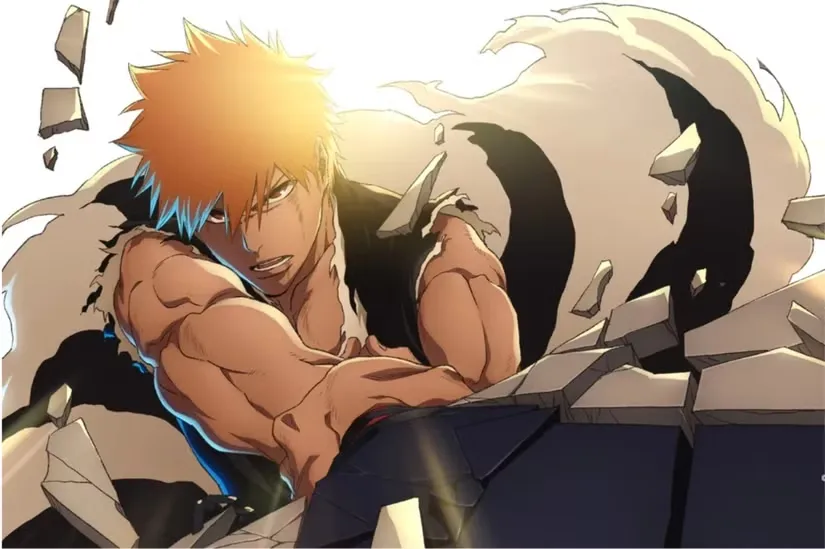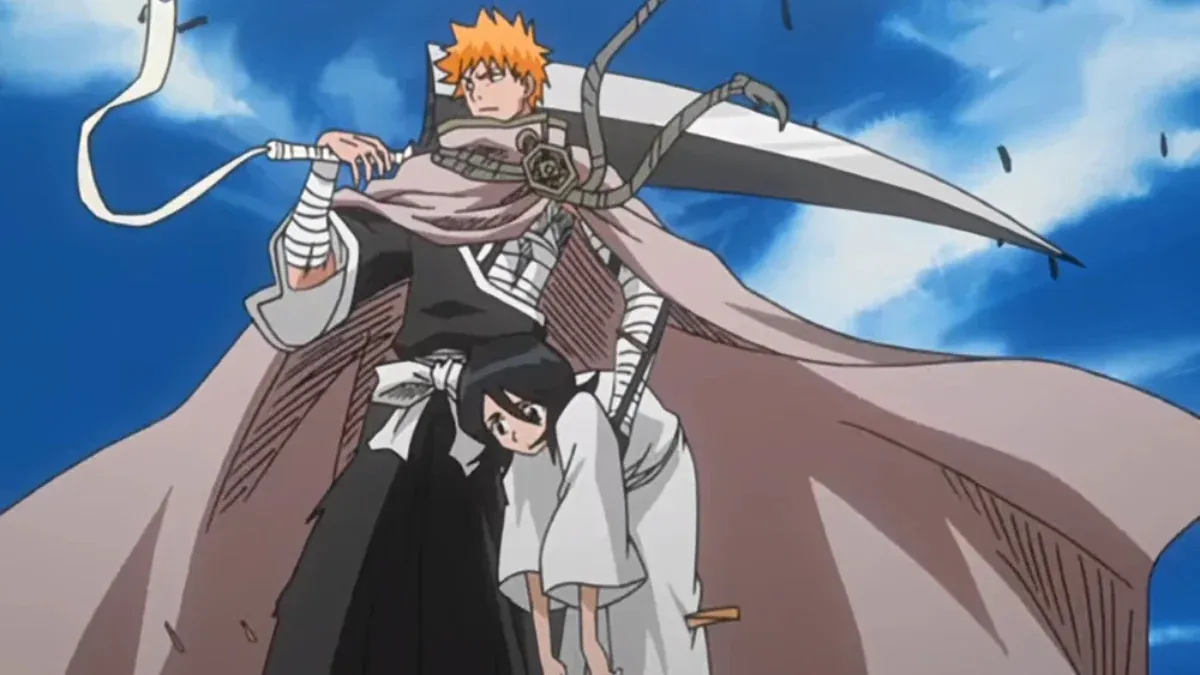

Rukia gives Ichigo her Soul Reaper powers because a Hollow attacks his family and she is too badly injured to defeat it herself. In Bleach chapter 1 and anime episode 1, she offers to transfer some power so he can protect his sisters. Ichigo unexpectedly takes nearly all of it. The emergency decision starts his work as a Substitute Soul Reaper, but it does not mean all his later abilities originally belonged to Rukia.
What happens when Rukia meets Ichigo?
Ichigo Kurosaki can see spirits before meeting Rukia Kuchiki. That ability is unusual, but he has not been trained to perform a Soul Reaper's duties. Rukia arrives in Karakura Town while pursuing a Hollow, the dangerous spirit that threatens Ichigo's household. The encounter turns a strange visitor into an immediate crisis. Ichigo wants to save his family, and Rukia recognizes that determination even before she understands the full extent of his spiritual power.
Rukia is injured while protecting him. With the Hollow still threatening the household, she proposes a desperate transfer: Ichigo can take a portion of her spiritual power and fight in her place. He accepts. The familiar image of her sword piercing him is not an attempt to kill him; it is the means by which she passes power to him. The transfer works far more dramatically than she expected. VIZ's official description of Bleach volume 1 explicitly says she intended to lend some power but Ichigo absorbed all of her energy.
Why does Ichigo take so much more power than Rukia intended?
The story establishes the result immediately, but it does not give the reader a neat numerical formula for the transfer. Ichigo already has exceptional spiritual potential. His ability to perceive ghosts and his surprising resistance to Rukia's restraints signal that he is not an ordinary human suddenly made special by a borrowed sword. The first chapter invites that mystery rather than resolving it on the spot.
The safest distinction is between what the scene confirms and what later revelations help explain. It confirms that the transfer exceeds Rukia's intention and leaves her without the power needed to resume her normal duties. Later arcs reveal important facts about Ichigo's family and the spiritual forces involved in his birth. Those revelations make his unusual potential understandable in retrospect, but readers should not mistake that broader background for an explicit statement that one specific inherited trait alone caused the transfer to overshoot.
Were Ichigo's Soul Reaper powers really Rukia's?
At first, yes, his working Soul Reaper abilities are borrowed from her. That is why the arrangement is temporary in Rukia's mind: while she recovers, Ichigo must take responsibility for dealing with Hollows and helping spirits in Karakura Town. The distinction changes when Byakuya Kuchiki and Renji Abarai arrive to retrieve Rukia. Byakuya disables the powers Ichigo has been using, forcing him to seek a different route back to fighting.
Kisuke Urahara's subsequent training matters because it draws out Ichigo's own latent Soul Reaper power rather than merely asking Rukia to hand him the same supply again. Ichigo's relationship with Zangetsu becomes central to that process. He is not permanently dependent on a loan from Rukia. This also explains why his later growth cannot be described as Rukia's abilities becoming stronger by themselves.
For readers comparing Soul Reaper techniques, AnimeSparks' guide to how Bankai works explains why an individual Zanpakutō and its releases are tied to the wielder. Ichigo's later progress with Zangetsu belongs to that personal development, not to Rukia's own sword, Sode no Shirayuki.
Why is Rukia punished for helping him?
The transfer is not simply a kind gesture with no institutional consequences. Soul Society treats giving Soul Reaper powers to a human as a serious offense. VIZ's description of volume 7 explicitly frames Rukia as a fugitive whose fellow Soul Reapers have been sent to bring her back and deal with Ichigo. The resulting conflict becomes the foundation of the Soul Society rescue story.
There is also a separate conspiracy. Aizen's interest in Rukia is tied to the Hōgyoku and the object concealed within her, not merely to an administrator enforcing a rule. The public accusation and the hidden motive are different layers of the same plot. AnimeSparks' explanation of the Hōgyoku covers that later revelation in detail. It would be inaccurate to say Rukia deliberately gave Ichigo her power as part of Aizen's plan: she acts to save people in immediate danger, without knowing the larger scheme.
Did Ichigo already have powers before the transfer?
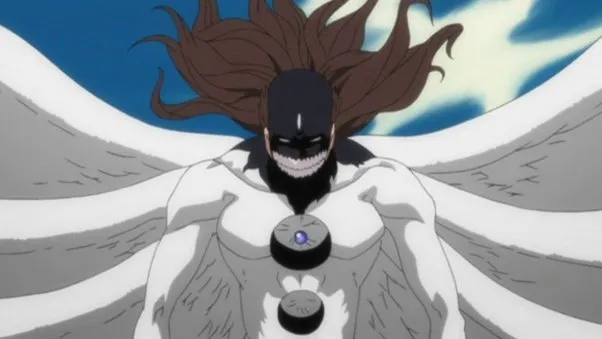
He already has spiritual awareness, and the manga eventually reveals that his heritage is far more complicated than the first episode suggests. This section contains major Thousand-Year Blood War manga spoilers. His father Isshin has Soul Reaper origins, while his mother Masaki is connected to the Quincies; the Hollow called White also plays a decisive role in the history of his powers. VIZ's discussion of Bleach volume 60 specifically identifies Isshin and Masaki's story as crucial to understanding Ichigo's abilities.
That does not erase Rukia's role. She is the catalyst who puts Ichigo into a Soul Reaper's role at the precise moment his family needs help. Later revelations distinguish the borrowed power that initially lets him fight from the potential already present within him. For a closer look at one side of his heritage, AnimeSparks' Quincy powers guide explains how that faction manipulates spiritual particles and why it differs from Soul Reaper techniques.
Does Rukia ever help restore his powers again?
Yes. Much later, during the Lost Agent or Fullbring storyline, Rukia returns with a special sword prepared by Urahara. The blade carries spiritual energy contributed by multiple Soul Reapers, allowing Ichigo to regain his Soul Reaper abilities after Ginjo's betrayal. VIZ's official Bleach catch-up article describes Rukia returning with captains to restore his powers. This later event echoes the opening without being identical to it: it is a collective intervention, not another accidental absorption of nearly all Rukia's power.
What the first transfer means for Bleach
Rukia's choice establishes the central relationship of the series. Ichigo fights first because his family is endangered, not because he has joined a military organization or learned its traditions. Rukia, meanwhile, chooses an immediate human life over the rules she is supposed to uphold. Both characters face consequences. Her loss of power gives Ichigo responsibility; her arrest eventually forces him to decide whether he will protect someone beyond his own household.
The straightforward answer remains the most important one: Rukia gives Ichigo power to stop a Hollow and save his family. He takes more than she intended because he has extraordinary spiritual potential, whose full background is revealed later. The borrowed powers start his journey, but the powers he learns to wield as his own are not simply Rukia's gift stretched across the entire story.