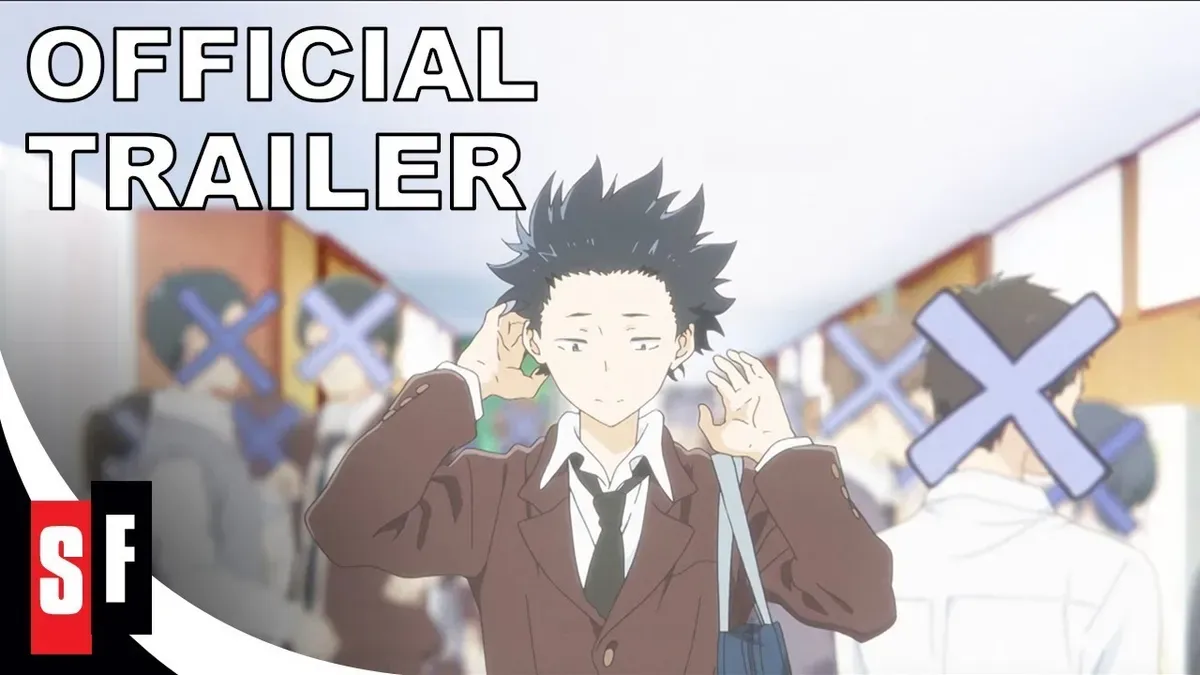

Shoko Nishimiya apologizes repeatedly in A Silent Voice because years of rejection have taught her to blame herself for other people's discomfort. Her apologies are not admissions that she caused the bullying. Creator Yoshitoki Oima explains that Shoko began hiding her feelings and saying sorry as a way to protect herself and keep peace with classmates who treated her cruelly.
What Shoko is apologizing for
When Shoko enters Shoya Ishida's elementary-school class, she hopes to make friends. She uses a communication notebook so classmates can write to her. Instead of consistently meeting her halfway, some classmates grow impatient, mock her and damage the trust she is trying to build. Shoko increasingly acts as though the difficulty belongs to her alone.
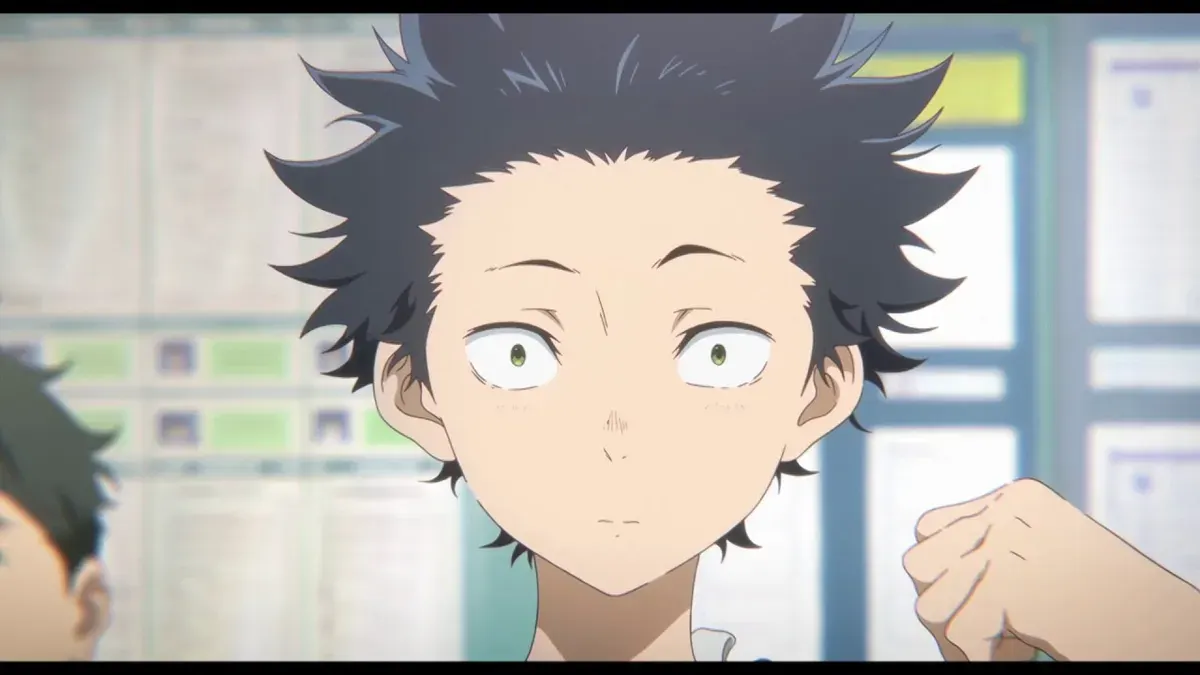
That distinction matters. Needing a different method of communication is not wrongdoing. Shoko's repeated apologies reveal what she has come to believe about herself under pressure, not what the story asks viewers to accept as true. The classmates who bully her are responsible for their behavior.
The communication notebook explains the pattern
The clearest evidence comes from the manga creator herself. In a 2019 interview excerpt published by Kodansha, Oima describes the notebook as Shoko's hope of becoming friends with the class. As written exchanges become hostile, Shoko starts concealing her feelings and apologizing to avoid further conflict. The notebook changes from a bridge to others into a record of how little space she feels allowed to occupy.
The pond incident makes that change concrete. Shoya throws the notebook into the water. Although Shoko initially tries to recover it, the manga later reveals that she also gives up on the notebook herself. Oima describes this as Shoko giving up on communication, not simply losing a school supply. The object represented her expectation that people might want to know her.
Oima's explanation is unusually valuable here because it clarifies intent without asking readers to diagnose Shoko from a handful of scenes. The character's behavior has a specific history within the story. It is a learned response to humiliation and isolation, rather than a generic trait assigned to every deaf character.
Why doesn't Shoko simply tell everyone she is angry?
She has reasons to expect that expressing anger will make her situation worse. At school, even her attempts to cooperate become occasions for ridicule. Smiling and apologizing may seem like the safest available responses when the people around her have already shown that they can turn ordinary exchanges against her. This is an interpretation of her behavior supported by Oima's comments, not a claim that Shoko never feels anger.
The story also shows how difficult it is for others to understand a person who has learned to hide what she wants. Shoya eventually notices that Shoko's notebook contains so many apologies and wonders what else she had wanted to say. His question points toward the central problem: everyone can see her politeness, but very few have tried to hear her actual feelings.
Does Shoko blame herself for Shoya's problems?
Yes, and that is one of the story's most painful misunderstandings. After Shoko leaves elementary school, Shoya becomes a target of bullying himself. Years later, their reunion does not immediately erase either person's guilt. Shoya struggles with what he did, while Shoko has absorbed the idea that her presence creates trouble for other people. The film presents both perspectives, but it does not make them equally responsible for the original bullying.
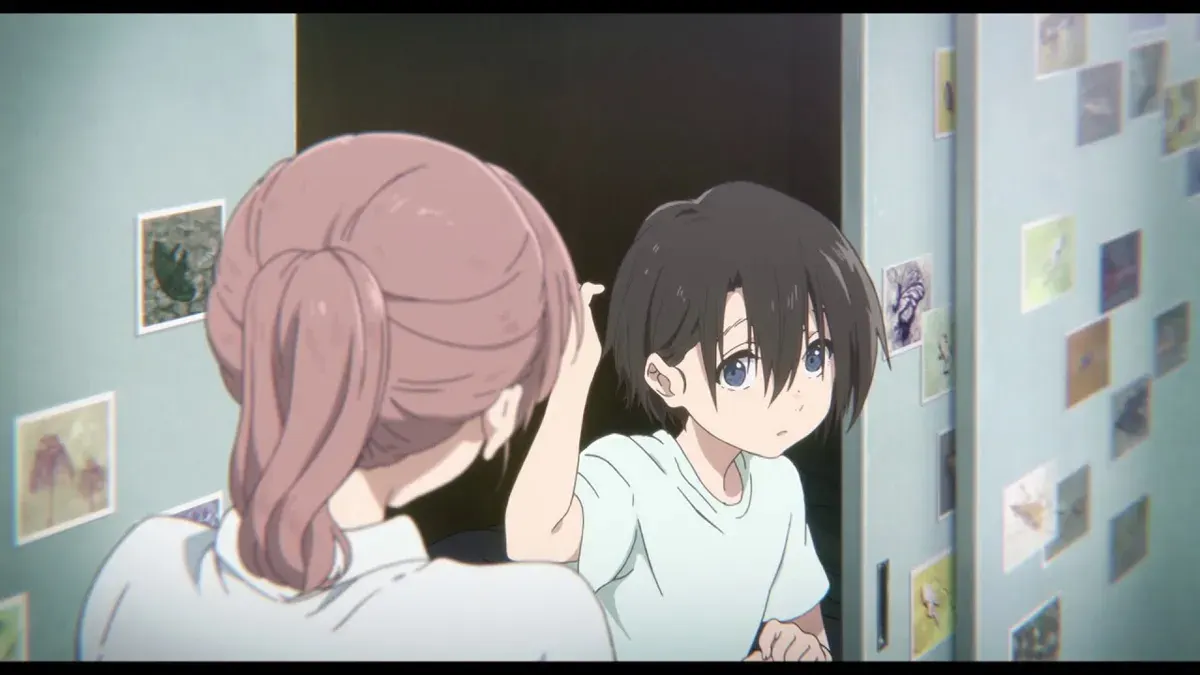
The difference between responsibility and guilt is essential. Shoya really did hurt Shoko and needs to confront that history. Shoko's belief that she is a burden does not make her responsible for his choices or for the classmates who joined in. Reading her apologies as proof that she forgave everything too easily misses the harm beneath them.
Why returning the notebook matters
When Shoya approaches Shoko again in high school, he brings back the old notebook and communicates with her using sign language. The gesture does not magically repair their relationship. It does, however, acknowledge the form of communication that her classmates once rejected. Oima says that receiving the notebook back feels to Shoko like regaining a hope for friendship that she had abandoned.
That is why the notebook's return means more than an apology from Shoya. He is making an effort to meet her on terms she can use. His effort cannot undo the past, but it changes the direction of their conversations: he must learn to listen, and she must gradually discover that she can say more than sorry.
What the movie shows, and what the manga adds
Kyoto Animation's film makes Shoko's smiles, hesitations and repeated apologies immediately visible. It also places the reunion and the characters' attempts at reconciliation at the center of its limited runtime. The original seven-volume manga has more room for secondary relationships and the long consequences of the class's behavior. Readers seeking the creator's fullest treatment of the notebook should start with Volume 1 and follow the series rather than relying on a single isolated scene.
Kodansha's published interview supplies a particularly direct explanation that the film alone cannot state as plainly. It connects the apologies to Shoko's wish to belong and her growing fear of upsetting people. The manga and film are not competing explanations; the creator's remarks help illuminate what the adaptation communicates through performance and images.
What Shoko's apologies mean by the end
The important change is not that Shoko suddenly stops being gentle. It is that the story increasingly allows her feelings and choices to matter alongside Shoya's. Their relationship can improve only if guilt stops replacing conversation. The central question becomes whether both can face what happened without deciding that one person's existence is the problem.
For another story about the difficult work of making amends, AnimeSparks' redemption-arc discussion examines why accountability requires more than a dramatic apology.
For readers drawn to the film's interior conflict rather than its romance alone, our psychological-drama anime guide offers other character-focused stories.
The short answer remains the same: Shoko says sorry because she has been conditioned to treat other people's cruelty as her own failure. Understanding that pattern makes her notebook, her reunion with Shoya and the story's concern with genuine communication much more meaningful.