
Spoilers ahead for major character turning points in Dragon Ball, Naruto, Fullmetal Alchemist: Brotherhood, Vinland Saga, A Silent Voice, My Hero Academia, Hunter x Hunter, Fairy Tail, Inuyasha and Attack on Titan. A great anime redemption arc is not a villain switching teams when the odds change. It is a sustained attempt to live differently after causing harm, often without any promise that the people hurt will forgive them. That difference is what makes the best stories memorable.
This ranking asks four questions: Does the character acknowledge the damage they caused? Do their later choices materially change? Do consequences remain visible rather than disappear after a heroic scene? And does the narrative respect the agency of those harmed? These are editorial criteria, not an official studio ranking or a scientific scoring model. Some entries are deliberately incomplete redemption stories, because the refusal to grant easy absolution is part of their value.
The short list: who changes, and what remains unresolved?
Vegeta learns to protect rather than conquer, but his early crimes are not erased. Thorfinn renounces violence yet must live with what he did as a soldier. Scar works with former enemies without excusing the Ishvalan massacre. Gaara becomes a leader instead of a weapon. Shoya Ishida tries to repair harm through attention and changed behavior. Endeavor seeks accountability from a family that does not owe him forgiveness. Meruem discovers compassion too late to undo his brutality. Reiner's guilt complicates the idea of a clean heroic turn. Jellal's work for others does not magically undo his past. Sesshomaru's changing relationship to humans is quieter and less confessional. Each illustrates a different answer to the question of what redemption can mean.
10. Sesshomaru, Inuyasha: compassion without a grand confession
Sesshomaru initially treats humans as beneath his notice and pursues power with a cold certainty that separates him from his half-brother Inuyasha. His interactions with Rin gradually expose a capacity to protect someone who cannot advance his ambitions. The transformation is conveyed less through a speech about becoming good than through what he chooses to do when a vulnerable person depends on him.
That restraint is both the appeal and the limitation. Sesshomaru does not undergo a comprehensive public reckoning for every earlier act. The story depicts a genuine softening of priorities, but viewers should distinguish increased compassion from complete accountability. He places tenth because a change in behavior is visible while explicit restitution remains less central than in the higher-ranked stories.
9. Jellal Fernandes, Fairy Tail: atonement as ongoing work
Jellal's history with the Tower of Heaven is tied to manipulation, violence and the suffering of people who trusted him. Later, his efforts to oppose dark guilds and protect others make his trajectory more than a quick reversal from antagonist to ally. The series treats guilt as something that follows him even when his immediate actions become constructive.
The complicated question is how much responsibility belongs to someone whose judgment was distorted by manipulation. That context matters, but it does not erase the experiences of people harmed under his command. Jellal's most convincing moments are those where he continues doing difficult work without insisting that a good deed entitles him to a clean reputation. His arc shows redemption as a practice rather than a certificate.
8. Reiner Braun, Attack on Titan: remorse without a clean slate
Reiner participates in the attack that devastates life inside the Walls. As the story reveals his upbringing and divided loyalties, he becomes harder to flatten into either monster or misunderstood victim. His guilt is not a substitute for accountability, and his suffering cannot reverse the lives lost because of his mission. The anime instead explores how indoctrination and personal choice coexist.
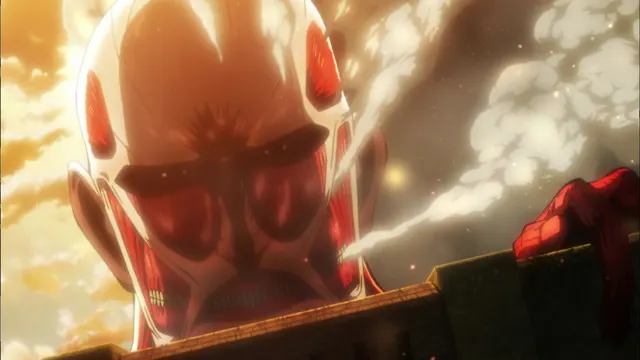
Reiner's later actions involve protecting people alongside former enemies, but the narrative never turns those alliances into proof that the original destruction was acceptable. His place here is intentionally contested: some viewers will call it survival and moral growth rather than redemption. That disagreement is useful. A story about remorse can be powerful even when it refuses to offer a reassuring verdict.
7. Meruem, Hunter x Hunter: discovering humanity too late
The Chimera Ant King begins with overwhelming power and an assumption that weaker lives are disposable. His encounters with Komugi, whose skill at Gungi exceeds his own, challenge a worldview built on dominance. Their games force him to recognize a kind of excellence that cannot be measured by physical strength, and the relationship gradually changes how he understands value and dignity.
Meruem does not earn a moral reset simply because his final moments are moving. His earlier cruelty remains part of the record. That is precisely why his development works: the audience can recognize a meaningful internal change without declaring that everyone he harmed has been compensated. Readers interested in how Hunter x Hunter separates victory from moral consequence can also examine our analysis of Netero and Meruem's battle.
6. Endeavor, My Hero Academia: a family is not obliged to forgive
Enji Todoroki pursued the position of number-one hero through a destructive obsession with surpassing All Might. His treatment of his wife and children caused profound damage that a public record of saving strangers cannot cancel. When he begins confronting his conduct, the story refuses the convenient idea that professional heroism automatically qualifies someone as a good parent.
The Todoroki family members respond differently, and that is essential. Forgiveness is not a reward the story can force them to provide on his schedule. Endeavor's efforts matter most when he accepts that changing his own behavior does not give him control over how others feel. He is not ranked higher because his arc remains ethically difficult, but its refusal to confuse atonement with entitlement makes it unusually substantial.
5. Shoya Ishida, A Silent Voice: repairing everyday cruelty
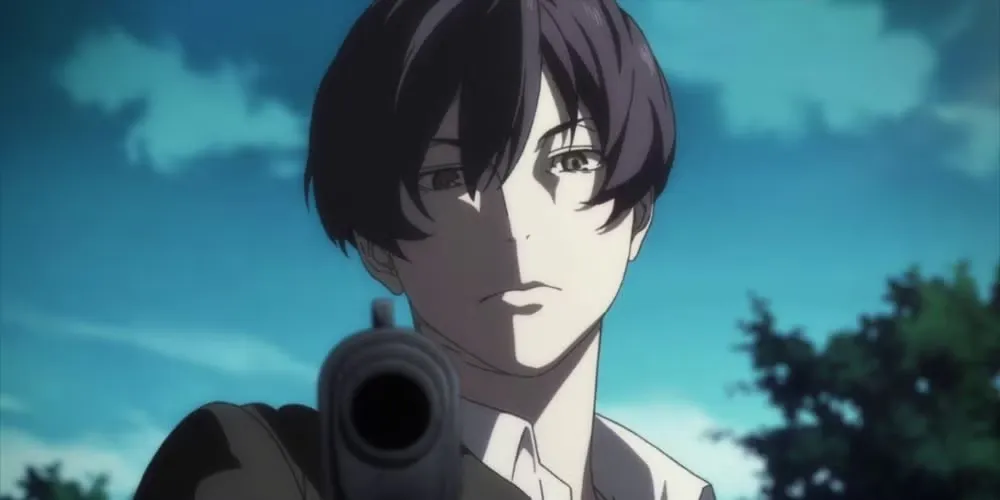
As a child, Shoya bullies Shoko Nishimiya, a deaf classmate, and later faces social isolation himself. The film does not treat his loneliness as a neat punishment that balances the harm he caused. As a teenager, he attempts to reconnect with Shoko and learns that remorse requires listening to another person rather than making their experience part of his own dramatic self-forgiveness story.
A Silent Voice stands apart from battle-driven redemption plots because its moral stakes are intimate. Apologies, communication and the ability to see classmates as full people matter more than a spectacular sacrifice. The film also explores severe emotional distress, so viewers seeking uncomplicated comfort should know it deals with bullying and suicidal thoughts. Its strongest lesson is that a person can try to change while accepting that trust may take time.
4. Gaara, Naruto: choosing protection after being treated as a weapon
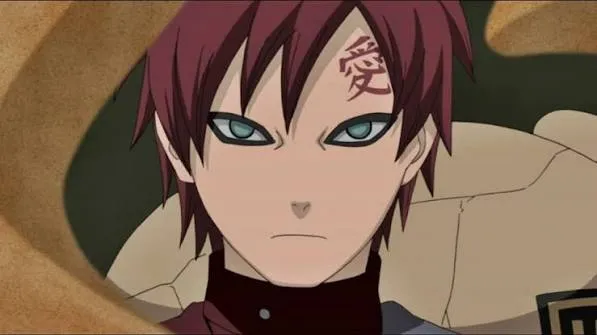
Gaara's early cruelty emerges from isolation, fear and the belief that his existence can be proved only through killing. Naruto's confrontation offers him a different example: someone who has also experienced rejection yet chooses relationships rather than domination. That parallel does not excuse Gaara's violence. It gives the story a credible mechanism for his change in values.
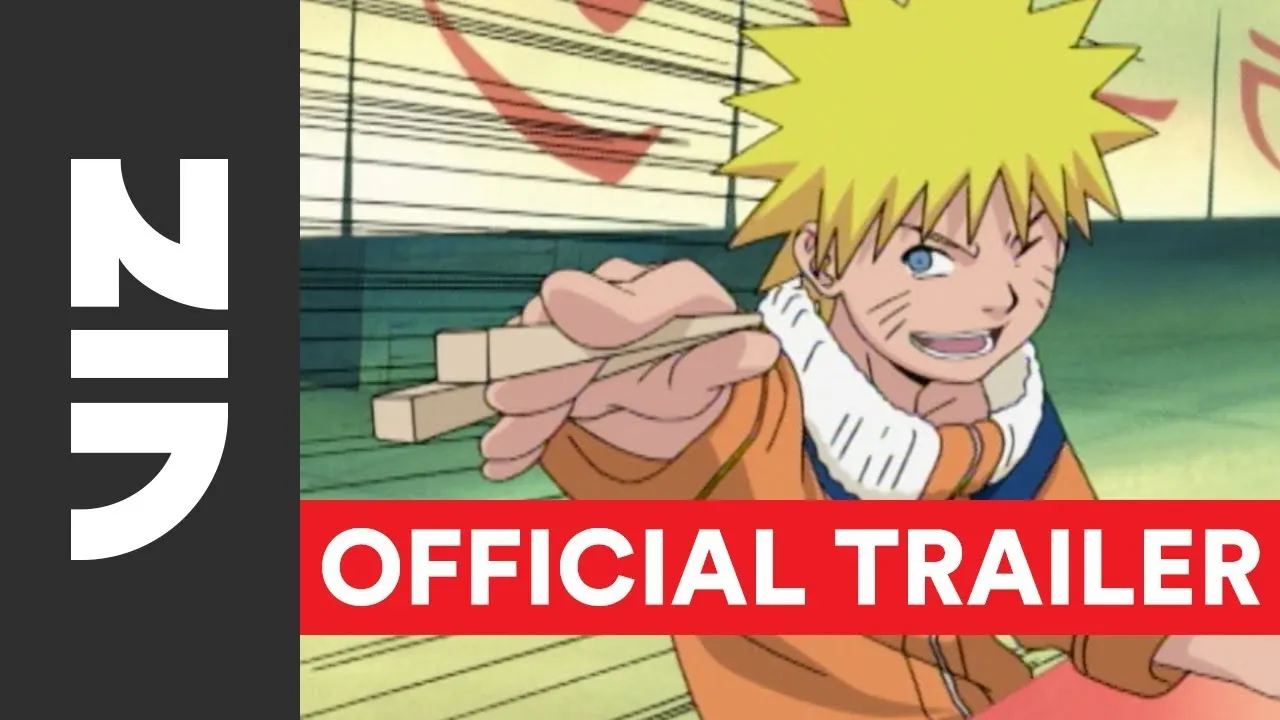
The later Gaara is not merely a friendly version of the same fighter. He accepts responsibility for the Hidden Sand Village and becomes Kazekage, placing other people's safety at the center of his identity. This is a tangible shift from seeking validation through fear to earning trust through service. The leadership role gives his transformation consequences beyond a single battle, which is why his arc ranks above many sudden villain-to-ally switches.
3. Scar, Fullmetal Alchemist: Brotherhood: justice is not the same as revenge
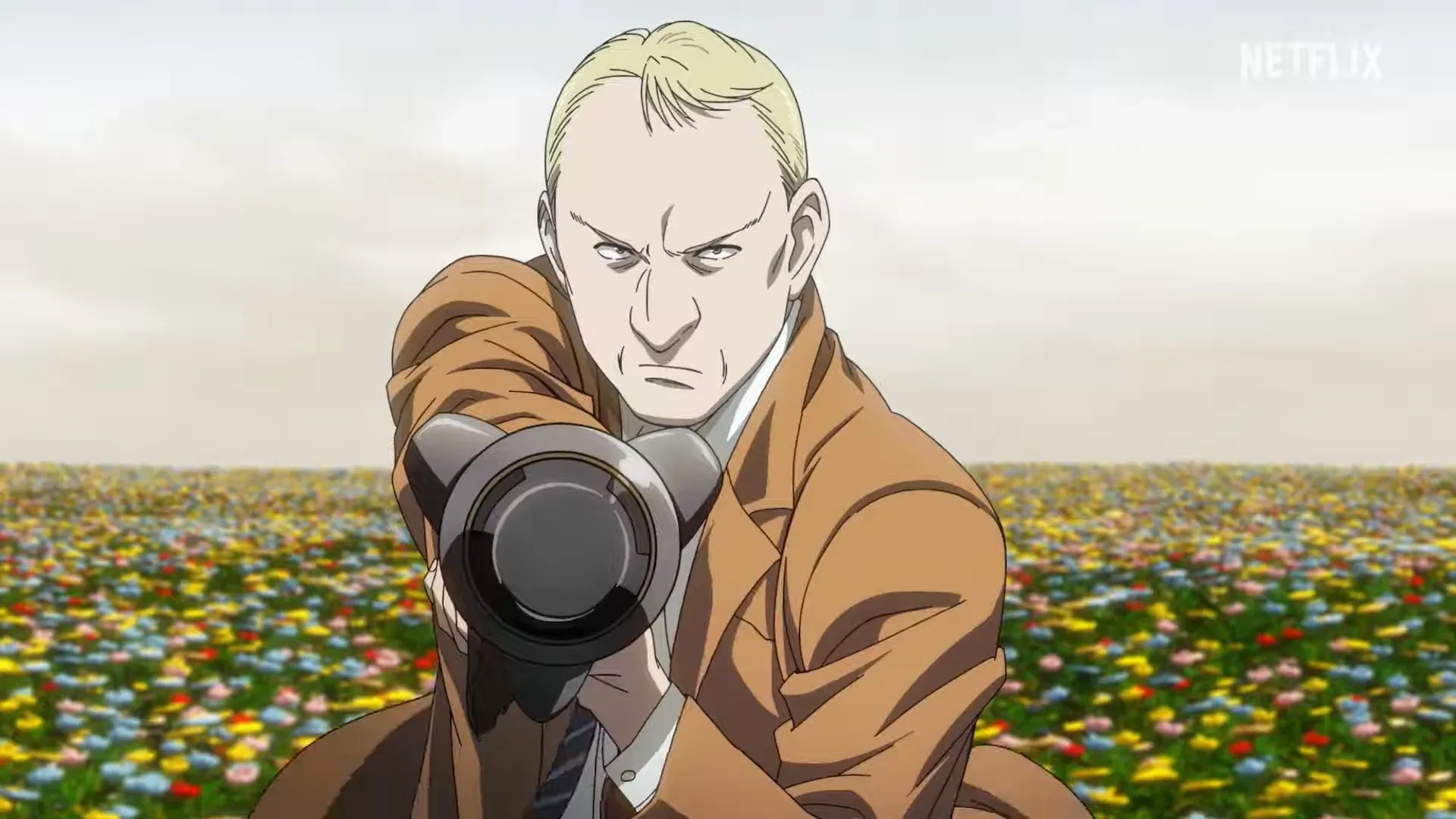
Scar survives the Ishvalan extermination campaign and directs his anger toward State Alchemists, killing people associated with the military responsible for his community's suffering. The series does not ask viewers to forget the genocide in order to condemn his revenge. Instead, it distinguishes justified outrage at systemic atrocity from a personal campaign that perpetuates violence.
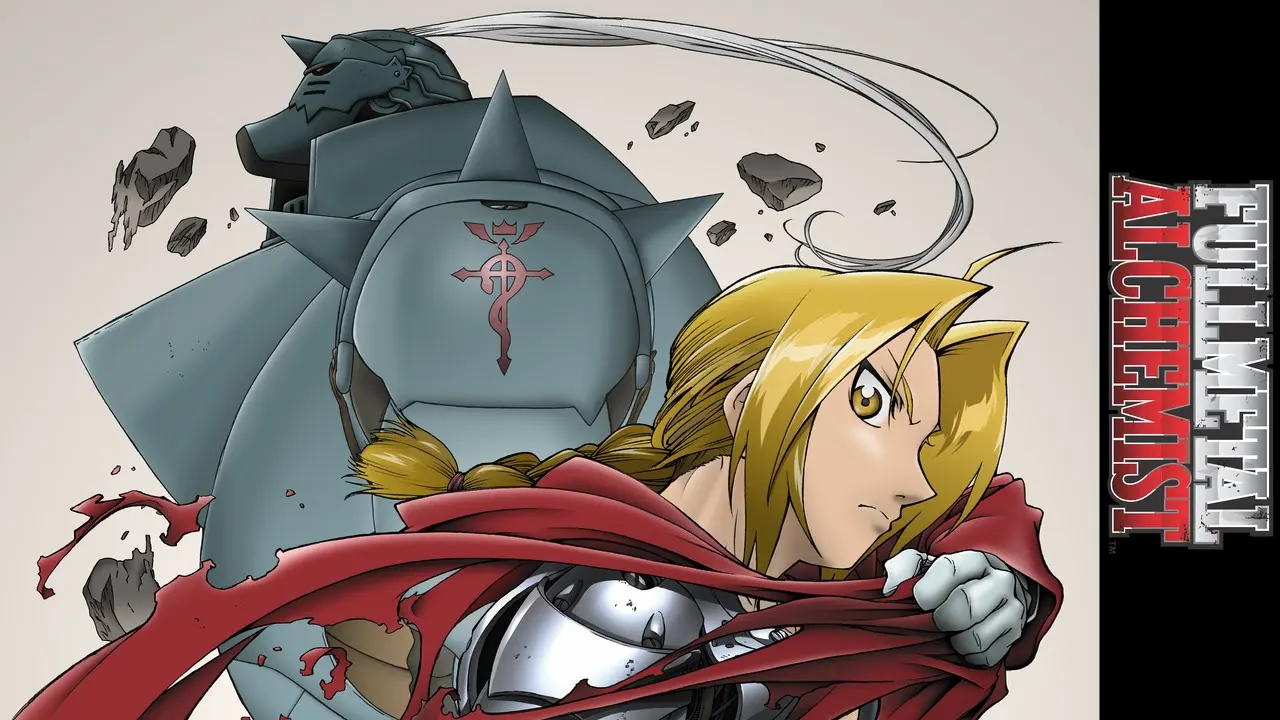
Scar's later willingness to cooperate with people he once considered enemies is a meaningful choice because he has not been offered an easy resolution to his people's history. He moves toward protecting a future rather than letting vengeance dictate every action. The change also connects to Brotherhood's wider concern with what power costs and who bears the price. Our guide to alchemy and Equivalent Exchange provides useful background on the system that shaped the conflict.
2. Thorfinn, Vinland Saga: refusing the life that made him dangerous
Thorfinn grows up consumed by the desire to kill Askeladd and spends years fighting in a brutal world where violence appears to be the only way to matter. After losing the revenge that gave his life direction, he is forced to confront what he has done and what kind of person he wants to become. His work alongside Einar on the farm gives him a different vocabulary for strength: labor, patience, restraint and the willingness to imagine peace.
This is not an instant transformation into a harmless idealist. Thorfinn's past remains part of him, and his rejection of violence is tested by circumstances that make peaceful choices difficult. The story's greatest achievement is to make nonviolence an active discipline rather than a lack of courage. Its ethical focus is different from the combat calculations in our Thorfinn versus Thorkell article, which examines what the characters actually accomplished in their fights.
1. Vegeta, Dragon Ball: an enduring change that never erases the past
Vegeta enters Dragon Ball Z as an invader who treats other lives as expendable. His transformation takes place over an unusually long stretch of the franchise: uneasy alliances, attachment to Bulma and Trunks, rivalry with Goku, setbacks driven by pride and increasingly genuine decisions to protect others. The Majin Buu saga is particularly important because it shows how easily he can still retreat into obsession even after years of apparent progress.
The arc earns first place for duration and contradiction, not because Vegeta has somehow paid back every life lost in his earlier campaigns. His protective choices become more credible precisely because his arrogance and competitive instincts never vanish. A villain becoming a father is not, by itself, redemption; what matters is that his responsibilities begin changing what he does when his pride and his loved ones' safety collide. Our Goku versus Vegeta fight ledger separates his competitive record from the moral development behind the rivalry.
Why a tragic backstory is not automatically redemption
Several famous anime characters have compelling explanations for harmful behavior without a corresponding process of making amends. A secret motive, a painful childhood or a last-minute sacrifice can deepen a character while leaving the damage intact. This is why the list does not automatically award a place to every antagonist whose true intentions are revealed. Itachi Uchiha, for example, can be understood more sympathetically after the truth about the Uchiha clan emerges, but explanation and accountability remain separate questions.
A useful test is to ask what the character does after their worldview changes. Do they accept inconvenience and risk to prevent further harm? Can people they hurt refuse reconciliation without being framed as unreasonable? Does the story remember victims when the former antagonist receives applause? The strongest examples let those questions stay difficult.
Redemption, forgiveness and rehabilitation are different stories
Redemption is a narrative judgment about moral change. Forgiveness belongs to the people who were harmed. Rehabilitation concerns the practical work of becoming less likely to repeat damaging behavior. Anime often compresses all three into one dramatic scene, but they need not occur together. Endeavor can work toward becoming a better person without receiving forgiveness from his children. Reiner can fight beside former enemies without having his wartime actions retroactively approved.
That distinction also explains why some lower-ranked stories are still worth watching. Meruem's new empathy arrives too late for broad restitution, while Sesshomaru's quieter protectiveness leaves some questions unanswered. A ranking should not pretend that every fictional moral journey can be reduced to one universal scale.
Frequently asked questions
Which anime has the best redemption arc?
Our editorial pick is Vegeta in Dragon Ball for his prolonged, uneven transformation. Thorfinn in Vinland Saga is a strong alternative for viewers who value explicit reflection on violence and responsibility.
Is Thorfinn a redeemed villain?
Thorfinn is better described as a former child soldier seeking atonement than a conventional villain who joins the heroes. His story is about rejecting a destructive way of life.
Does Endeavor deserve forgiveness?
That is a moral judgment viewers can debate, but the series does not establish that his family owes him forgiveness. His attempts to change and their responses should be evaluated separately.
Is a tragic backstory enough to redeem an anime villain?
No. Context can explain actions without justifying them. A convincing redemption story usually shows changed choices and sustained responsibility for harm.
Sources and ranking method
The ranking is an original editorial comparison based on character actions shown in the named anime and their established story arcs. The official or licensed series descriptions for Vinland Saga and the individual works provide narrative context. Competing lists from Ranker, The Mary Sue and OtakusNotes were reviewed for search intent and common examples, not copied as a ranking formula. We deliberately exclude Avatar: The Last Airbender from this Japanese-anime list despite Zuko's prominence in broader animation discussions. Major events are described at a high level; continuity-specific claims should be checked against the relevant anime adaptation rather than assumed from games or spin-offs.