
The best anime siblings do not always agree, fight side by side, or even like each other. What makes a sibling relationship compelling is the way two people with a shared history can understand each other's weaknesses while still struggling to communicate. Some of these stories turn that tension into a rescue mission. Others show siblings navigating grief, growing apart, or learning that protection should not become control.
This ranking focuses on the relationship itself rather than who would win a fight. We considered mutual agency, believable conflict, how each sibling changes because of the other, and whether the bond matters to the larger story. It includes biological siblings and a set of brothers raised together, but does not confuse friendship or unrelated found family with literal sibling relationships. Expect mild premise spoilers and, where noted, heavier themes.
Quick picks: which sibling anime should you watch?
For action and loyalty, start with Demon Slayer or Fullmetal Alchemist: Brotherhood. For gentle everyday care, choose School Babysitters or My Neighbor Totoro. For siblings who struggle with unequal expectations, Blue Exorcist is a stronger fit. For complicated family histories, Hunter x Hunter, One Piece and Inuyasha have more difficult dynamics. The Yuzuki Family's Four Sons is the clearest pick if you want a story centered on brothers rather than an action plot.
How we ranked the relationships
Our four editorial criteria are reciprocity (both siblings remain people with their own wishes), development (their bond changes through events), specificity (their relationship could not be swapped for a generic friendship without losing meaning), and emotional credibility (care has consequences beyond dramatic speeches). There are no invented numerical scores or claims of an official ranking. This is a comparison of writing, not a measure of which family loves each other most.
10. Inuyasha and Sesshomaru, Inuyasha
The half-brothers begin as antagonists, divided by inheritance, pride and very different ideas about human life. Sesshomaru's contempt for Inuyasha is not the affectionate teasing of a conventional sibling comedy. Their conflict has genuine stakes, and the story does not insist that a shared father automatically creates trust. That makes their relationship an unusual entry on a list often dominated by protective older siblings.
What makes the dynamic worth revisiting is the gradual change in what each brother values. Sesshomaru's growing capacity for compassion does not erase his earlier conduct, and Inuyasha never needs to become a copy of his brother to deserve respect. Their bond is more a story about coexistence than a tidy reconciliation. Choose it if you enjoy family rivalry with supernatural action, but expect a long series rather than an intimate domestic drama.
9. Reiju and Sanji Vinsmoke, One Piece
Sanji's childhood in the Vinsmoke household shows that sharing a surname does not guarantee safety. Reiju stands apart from brothers who treat him cruelly, offering him moments of compassion even while constrained by the family's power structure. Her support matters because she cannot simply dismantle that structure with a kind word. The relationship is shaped by what she can and cannot do, not by a fantasy that one helpful relative fixes every injustice.
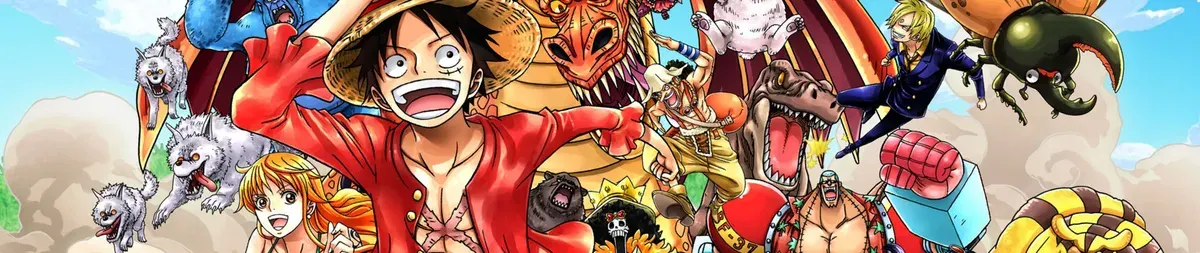
Reiju and Sanji are not a constant traveling duo, so they rank below siblings whose shared decisions drive more of the plot. Still, their story captures an important kind of family love: one person recognizing another's humanity when the surrounding household refuses to. It also provides a useful contrast with the chosen bonds Sanji finds aboard the Straw Hats. Readers exploring the wider pirate world can use our One Piece Haki guide for separate combat-system context.
8. Rin and Yukio Okumura, Blue Exorcist
Rin and Yukio are twins whose different temperaments and abilities place them on uneven footing. Rin is impulsive and visibly connected to demonic power, while Yukio becomes an accomplished exorcist and instructor. The younger-looking authority dynamic is deliberately awkward: a brother who seems more responsible can still be frightened, resentful or uncertain. Their arguments are not merely comic relief; they expose how much they misunderstand each other's burdens.
The strongest part of their relationship is the conflict between protection and honesty. Each wants the other to be safe, but secrecy and comparison can make that desire feel like mistrust. Blue Exorcist sometimes prioritizes larger supernatural conflicts, so viewers seeking a purely sibling-centered drama may find the pacing uneven. Yet the twins offer a distinctive example of how being raised together does not mean having the same experience of childhood.
7. The Yuzuki brothers, The Yuzuki Family's Four Sons
After the loss of their parents, the four Yuzuki brothers navigate a household in which the eldest, Hayato, takes on responsibilities that would normally belong to adults. Mikoto, Minato and Gakuto have different personalities and needs, which prevents the series from treating them as a single group of interchangeable cute siblings. The story's everyday situations reveal how easily caregiving, irritation and affection can coexist.
This entry earns its place through attention to ordinary family labor. An older sibling may prepare meals or manage schedules while a younger one feels overlooked or overprotected. Neither response is inherently villainous. The drama emerges from competing needs inside a home where everyone is trying to help. It is a particularly useful recommendation for viewers who want emotional stakes without a world-ending threat. Its quiet approach also makes it a good companion to family-oriented slice-of-life series.
6. Satsuki and Mei Kusakabe, My Neighbor Totoro
Satsuki and Mei are sisters adjusting to a new rural home while their mother is ill. Satsuki often acts older than her years, trying to be reassuring and dependable, while Mei meets the world with the curiosity and impatience of a small child. Their encounters with the forest's strange inhabitants are magical, but the sisterly relationship feels familiar because it is built on small imbalances of responsibility.
The film understands that a protective older sibling can also become tired or afraid. Mei's feelings do not become less important because she is young, and Satsuki's composure is not proof that she has no needs of her own. Rather than delivering a lecture about family, My Neighbor Totoro lets gestures, movement and shared discovery carry the emotion. It is one of the easiest entries to recommend to families seeking a gentle movie, though its concern about a parent's health may affect sensitive viewers.
5. Killua and Alluka Zoldyck, Hunter x Hunter
Killua's relationship with Alluka is powerful because it resists the Zoldyck family's habit of treating people according to usefulness and danger. Alluka is surrounded by fear connected to Nanika's extraordinary abilities, while Killua insists on recognizing a person who deserves care rather than a tool to be controlled. Their story is not just a display of Killua's combat skill. It asks whether protection can respect the protected person's dignity.

The arc also complicates easy heroic language. Killua makes difficult choices about safety, rules and the rest of his family, and his decisions carry risks for others. Alluka's importance is emotional as well as supernatural. This is not a beginner-friendly standalone episode recommendation: the relationship lands more strongly after viewers understand Killua's upbringing. Our Hunter x Hunter Nen guide explains the series' separate power system, although Alluka's situation should not be reduced to a simple Nen-type chart.
4. Ryuichi and Kotaro Kashima, School Babysitters
After their parents die in a plane crash, Ryuichi and his little brother Kotaro are taken in by a school chairwoman. Ryuichi helps at the school's daycare while continuing to care for Kotaro. The setup could easily become a sequence of adorable children doing adorable things, but the premise carries a serious question: what happens when a grieving teenager must act as a caregiver before he has fully processed his own loss?
Kotaro is not merely a responsibility assigned to Ryuichi. Their attachment gives both brothers emotional security, even when the older one is exhausted or unsure what to do. The show balances warmth with the recognition that children cannot replace their parents simply by trying hard enough. It is a more intimate story than most action-heavy sibling rankings, and that is its strength. Crunchyroll's official synopsis confirms the brothers' loss and the daycare arrangement; the ranking here is our own assessment of the resulting relationship.
3. Tanjiro and Nezuko Kamado, Demon Slayer
Tanjiro's decision to protect Nezuko after she becomes a demon gives Demon Slayer its central emotional direction. He joins the Demon Slayer Corps not because he wants a higher rank, but because he hopes to restore his sister's humanity and stop the demon responsible for their family's destruction. The official VIZ series synopsis establishes this motivation directly. Their relationship turns a large supernatural conflict into a personal question about refusing to abandon someone.
Nezuko is not simply an object being carried to safety. Her repeated efforts to protect people, including her brother, give the bond reciprocity despite the limits on her speech. Tanjiro's loyalty can be moving without making every decision he takes automatically correct. Later developments involve her changing abilities, and our explanation of Nezuko's sunlight resistance separates confirmed events from popular theories. This pair ranks highly for narrative focus, although Nezuko receives less independent dialogue than some other characters here.
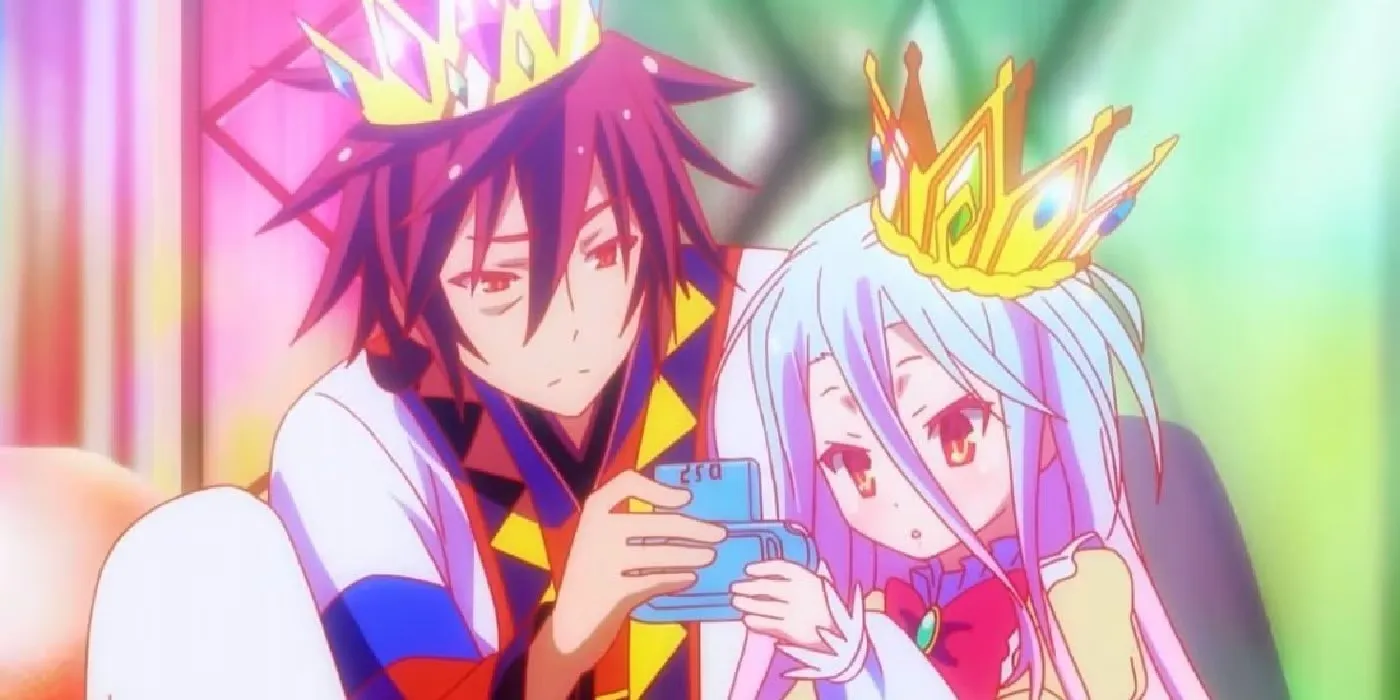
2. Sora and Shiro, No Game No Life
Sora and Shiro are step-siblings whose complementary talents make them formidable at games. Sora reads motives, social pressure and bluffs, while Shiro excels at calculation and precise pattern recognition. Together they form the player identity Blank. Their bond is not primarily about rescue or caregiving: it is about two people building a shared way to face a world that overwhelms them separately. The fantasy setting exaggerates their victories, but the underlying relationship has a recognizable tension between dependence and cooperation.
The limitation is that the anime often treats their separation anxiety as a joke rather than exploring it with the gravity found in Fullmetal Alchemist or School Babysitters. Still, each contributes something the other lacks, and neither is simply a helpless sidekick. Their entry adds a different kind of sibling dynamic to the ranking: partnership built on complementary thinking. For readers who enjoy strategic protagonists, our separate smart-main-characters ranking considers the pair's intelligence in a different context.
1. Edward and Alphonse Elric, Fullmetal Alchemist: Brotherhood
Edward and Alphonse attempt to bring back their mother through forbidden human transmutation. The attempt costs Edward limbs and Alphonse his body, leaving his soul bound to armor. VIZ's official series introduction confirms the premise. Their quest to recover what was lost could have made Alphonse a passive reason for Edward to fight, but the story consistently gives the younger brother his own judgment, compassion and disagreements.
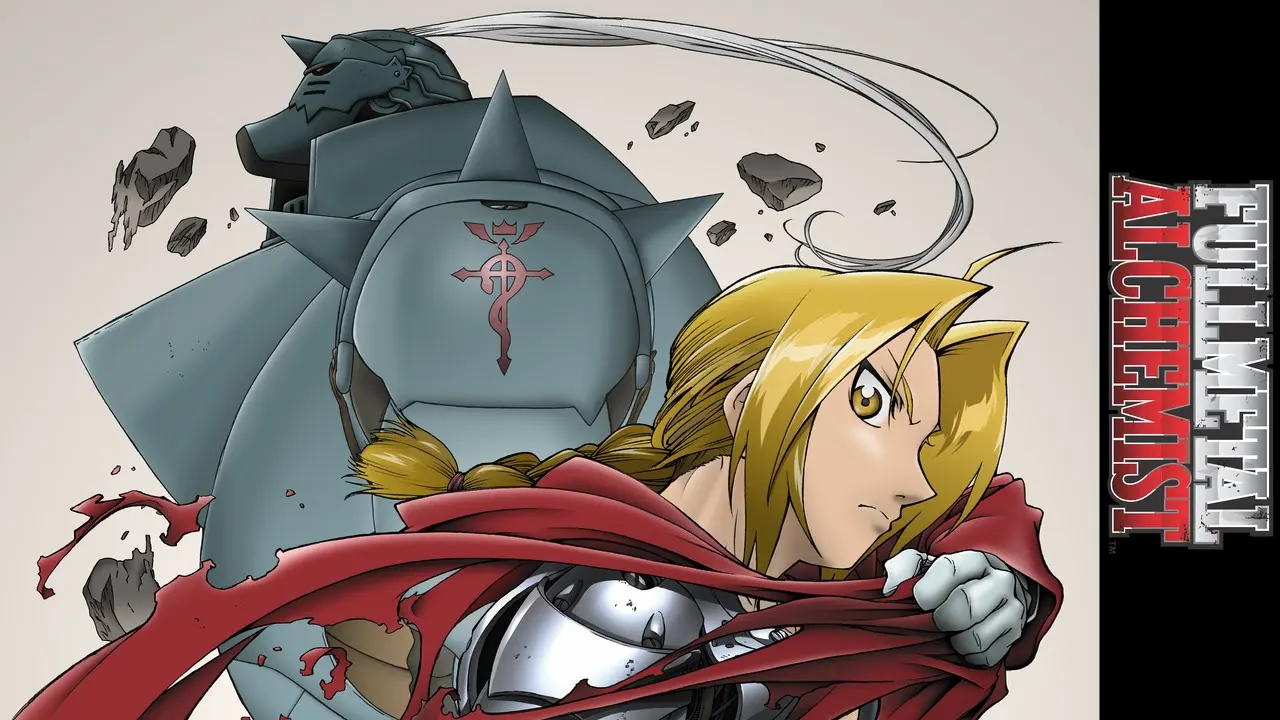
Edward's fierce responsibility sometimes shades into guilt and stubbornness. Alphonse is often gentler, yet gentleness is not weakness; he challenges decisions and helps determine what a meaningful recovery would look like. Their bond matters because the narrative tests whether love justifies sacrificing other people to fix a private tragedy. It does not. The brothers must learn that being together is more important than forcing an impossible transaction. Our Fullmetal Alchemist alchemy guide explores the rules behind their original mistake without replacing this relationship analysis.
The Elrics take first place because both siblings remain active moral agents, and because their changing understanding of sacrifice affects the entire ending. They are not the most harmonious siblings on the list. They are the pair whose loyalty is most thoroughly tested against an ethical principle bigger than their own happiness.
What the best anime siblings have in common
The most effective stories avoid treating an older sibling as automatically right or a younger sibling as permanently helpless. Ryuichi's caregiving, Satsuki's anxious composure, Killua's insistence on Alluka's dignity and Alphonse's independence all complicate those shortcuts. Strong sibling writing makes room for competing desires. It also recognizes that a family relationship can be meaningful without becoming healthy overnight, as Inuyasha and Sesshomaru demonstrate.
If you prefer bonds formed by choice rather than birth, our separate found-family anime ranking covers a different search intent: strangers and companions who become a home for one another. The two ideas overlap emotionally, but they are not interchangeable. For a first watch, choose the tone you want: gentle daily life, a difficult family history or an action story with sibling loyalty at its center.
Frequently asked questions
What anime has the best brother relationship?
Fullmetal Alchemist: Brotherhood is our first choice for a sustained relationship between brothers with distinct personalities and moral agency. School Babysitters is better for viewers seeking a gentle, caregiving-focused story.
Which anime has the best brother and sister duo?
Tanjiro and Nezuko in Demon Slayer are a strong accessible choice. Killua and Alluka in Hunter x Hunter offer a more complicated family dynamic, but that story benefits from prior knowledge of the series.
Are there wholesome anime about siblings without battles?
Yes. School Babysitters, The Yuzuki Family's Four Sons and My Neighbor Totoro emphasize everyday care and family life rather than competitive fighting.
Is this a ranking of the strongest anime siblings?
No. Combat strength is deliberately excluded. This list ranks relationship writing, character independence, emotional credibility and the effect siblings have on one another's decisions.
Sources and editorial notes
The series premises were cross-checked against publisher and licensed-streamer descriptions, including VIZ's Fullmetal Alchemist and Demon Slayer pages and Crunchyroll's School Babysitters synopsis. Existing fan rankings from Ranker and EarlyGame were reviewed to identify search intent and coverage gaps, not copied as the order of this list. The ranking and comparisons are original editorial judgments; no numerical audience survey or keyword-volume estimate is claimed.