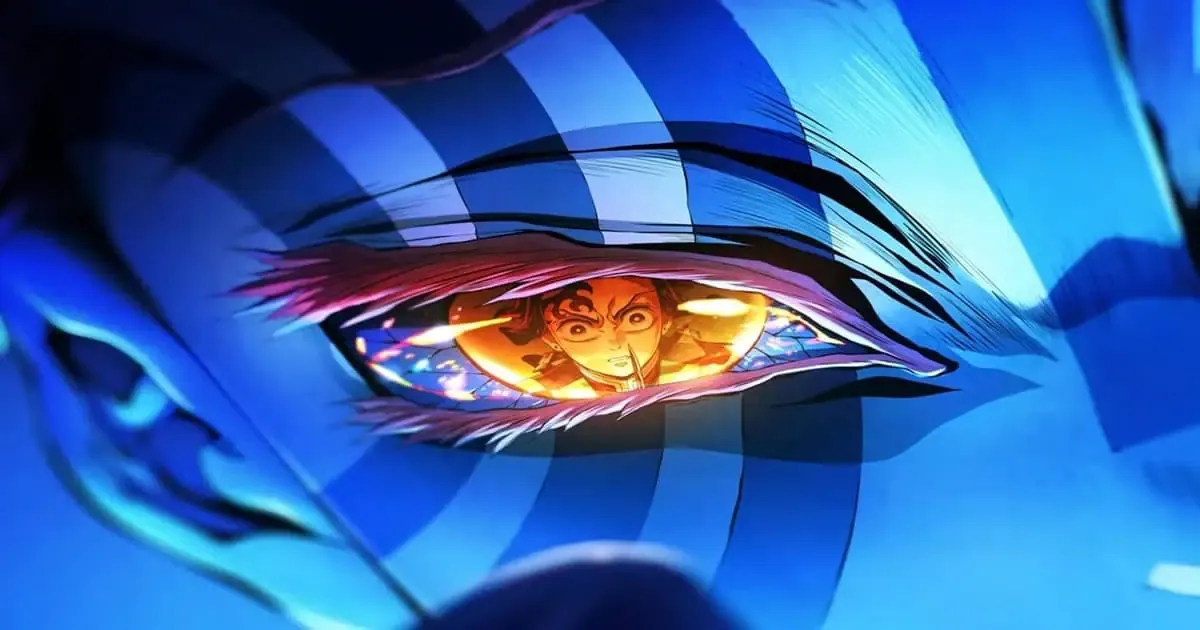

Demon Slayer isn't just ending — Demon Slayer's Infinity Castle arc is becoming the biggest anime movie event ever.
The first Infinity Castle film already grossed $781 million worldwide, becoming the highest-grossing Japanese film of all time globally. It surpassed Spirited Away in Japan. It broke the record for the biggest opening weekend for an international film in the U.S. at $70 million. It earned a 98% on Rotten Tomatoes. And it's only the first of three films.
Is Demon Slayer's final arc breaking records? Yes. Infinity Castle Part 1 has already grossed over $781 million worldwide, making it the highest-grossing anime film ever — with two more movies still to release.
Two more Infinity Castle movies are still coming. If the trilogy maintains this trajectory, Demon Slayer's final arc movie trilogy won't just break anime records — it could shatter box office records that have nothing to do with anime at all.
The Numbers Are Already Historic
Let's start with what's already happened, because the scale is genuinely staggering.
Infinity Castle Part 1 opened in Japan on July 18, 2025, earning ¥1.64 billion on its first day alone — the highest opening day gross in Japanese cinema history. Within eight days, it crossed ¥10 billion faster than any film before it, including Mugen Train.
In the U.S., it opened at $70 million — obliterating the previous anime record. It became the highest-grossing international film ever at the North American box office, surpassing Crouching Tiger, Hidden Dragon's 25-year-old record. In China, it debuted at $49.9 million. In Latin America, it broke records in Mexico, Brazil, Argentina, Chile, Colombia, Peru, and more.
As of March 2026, the film has earned over ¥40 billion in Japan alone, making it only the second film in Japanese history to cross that threshold — after Mugen Train. Globally, it's at $781 million and climbing with ongoing re-releases in IMAX, ScreenX, and 4DX formats.
These aren't anime numbers. These are Marvel numbers. And there are two more films to go.
Why the Theatrical Model Works for Demon Slayer
Most anime adapts through TV seasons. Demon Slayer chose to finish its story through movies. That decision seemed risky at first. Now it looks like genius.
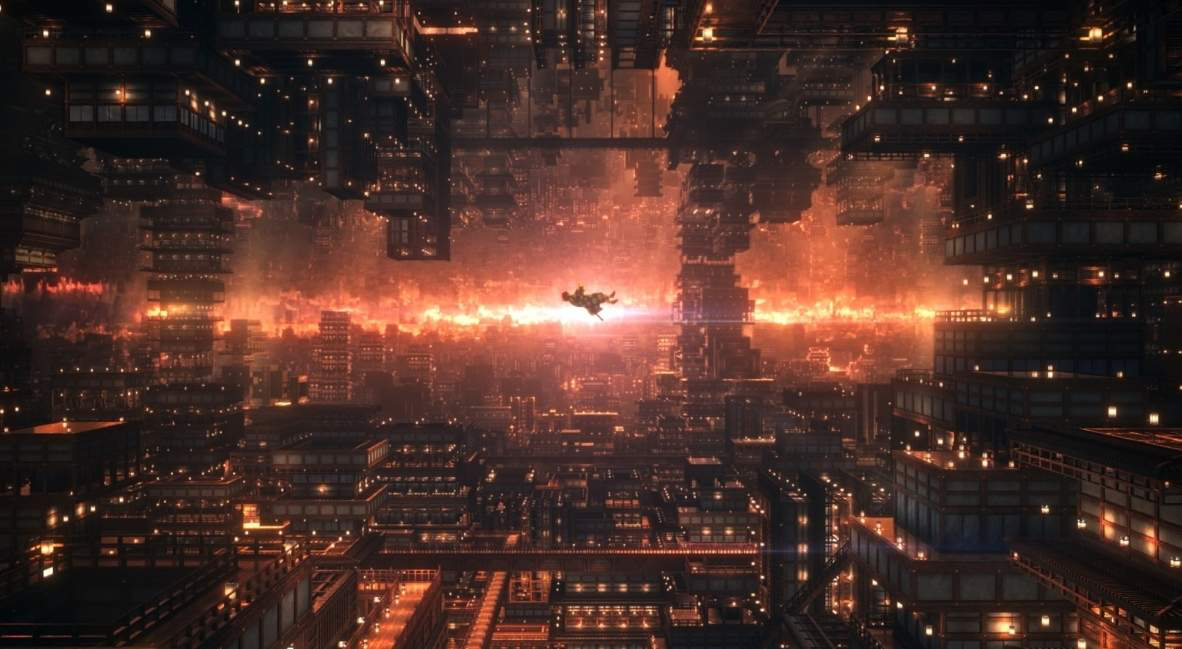
The theatrical format gives Ufotable the budget and timeline to animate at a level that TV production simply can't match. Infinity Castle's fight sequences — particularly Akaza vs Rengoku's legacy and the Hashira battles — feature animation quality that makes the already-stunning TV series look modest by comparison.
Movies also create event culture. A new episode dropping weekly generates steady engagement. A theatrical premiere generates a cultural moment. Lines around the block. Opening weekend social media explosions. Fans dressing as Hashira for screenings. That communal experience amplifies the emotional impact in ways streaming never can.
Mugen Train proved the model in 2020, earning $504 million during a pandemic. Infinity Castle proved it scales even higher with a global simultaneous release strategy. The shift toward planned theatrical conclusions reflects a broader industry trend — studios choosing quality over quantity, event releases over weekly grind.
Ufotable Is Operating at a Level Nobody Can Touch
Let's talk about why Demon Slayer's animation quality matters to its commercial success.
Ufotable's work on this franchise has consistently set the visual benchmark for the anime industry. Their combination of 2D animation, CG compositing, and digital effects creates a look that nobody else replicates at this consistency. Every Breathing technique has a distinct visual signature. Every Demon Blood Art feels like a different art form. And in Infinity Castle, the shifting architecture of the castle itself becomes a visual character.
The Akaza fight in Infinity Castle Part 1 is being called one of the greatest animated fight sequences ever produced. Not just in anime — in animation, period. That kind of praise doesn't happen by accident. It happens because Ufotable treats every frame as an opportunity to justify the theatrical ticket price.
This visual standard is what elevates Demon Slayer above contemporaries who may have deeper stories but can't match the sensory experience. Not every great anime needs stunning animation — but when it's this good, it becomes an undeniable commercial advantage.
The Emotional Stakes Have Never Been Higher
The stakes also sharpen because the Demon Slayer Mark turns power into a question of cost, not just strength.
Infinity Castle is where Demon Slayer stops pulling punches. This is the arc where fan-favorite characters die. Where the Hashira face Upper Rank demons in fights that push them past breaking point. Where Tanjiro's compassion collides with violence that can't be avoided.
The manga readers who've been through this material know what's coming in films two and three. Shinobu vs Doma. The full Muzan confrontation. Deaths that hit harder than anything the anime has delivered so far. And the reason these moments work emotionally isn't spectacle alone — it's the four seasons of character investment that precede them.
Tanjiro's kindness toward demons, which seemed almost naive in early episodes, becomes devastating when tested against enemies who don't deserve it. Every Hashira's backstory — their trauma, their sacrifice, their reasons for fighting — pays off in Infinity Castle with a precision that Koyoharu Gotouge planned from the beginning. The emotional weight behind every fight is what separates a great action anime from a truly unforgettable one.
What Records Could the Trilogy Break?
If Infinity Castle Part 2 and Part 3 maintain even 80% of Part 1's box office performance, the numbers become historical.
The trilogy could collectively gross over $2 billion worldwide — a figure no anime franchise has ever approached. It could solidify anime as a permanent force in global theatrical distribution, not just a niche genre that occasionally breaks through. And it could establish Ufotable as the most commercially successful animation studio on the planet for this window.
There are specific records in play. Mugen Train's ¥40.75 billion Japanese gross — currently the all-time domestic record — is being challenged by Infinity Castle Part 1, which hit ¥40 billion in March 2026. If Part 2 or Part 3 surpasses that, one franchise would hold the top three spots in Japanese box office history.
Globally, the record for highest-grossing animated film is Inside Out 2 at $1.69 billion. No single Demon Slayer film will touch that. But as a trilogy event? The combined cultural and financial impact could rival anything Pixar or Disney has produced.
Compared to anime films like Your Name or Suzume, Demon Slayer's scale is far more franchise-driven — which gives it a long-term box office advantage across multiple releases. One-off films spike and fade. A trilogy sustains momentum.
Demon Slayer Is Proving Anime Belongs in Theaters
The broader significance of Demon Slayer's final arc goes beyond the franchise itself.
For decades, anime films were treated as niche releases in Western markets — limited screenings, minimal marketing, modest expectations. Dragon Ball and Studio Ghibli films occasionally broke through, but they were exceptions. Demon Slayer's Infinity Castle has permanently changed that calculation.
Crunchyroll and Sony's distribution strategy — wide theatrical releases across 3,300+ screens in North America, simultaneous global rollouts, premium format support — treats anime films with the same infrastructure as Hollywood blockbusters. That infrastructure didn't exist five years ago. Demon Slayer built it.
The ripple effect is already visible. Other anime films now launch with wider theatrical windows. Studios plan their biggest arcs for theatrical releases rather than TV. And distributors invest in marketing campaigns that target general audiences, not just existing fans. This is a paradigm shift driven by commercial proof that anime can compete at the highest level of global entertainment.
Will Demon Slayer Infinity Castle Part 2 and 3 Be Even Better?
The biggest risk is diminishing returns. Trilogy fatigue is real. The second and third films need to maintain the emotional and visual quality of the first without feeling repetitive.
The manga material supports this. The remaining Infinity Castle content includes some of the most beloved fights in the series — battles that manga readers have been waiting years to see animated. If Ufotable delivers even half the visual spectacle of Part 1, the demand is built in.
There's also the ending factor. Demon Slayer's manga ending was divisive among readers who wanted more from Tanjiro's final confrontation with Muzan. The films have an opportunity to elevate that material — giving the climax more breathing room, more animation power, and more emotional nuance than the manga's compressed final chapters allowed. Whether Ufotable takes that opportunity could determine whether the trilogy ends as a masterpiece or a very expensive adaptation.
For fans watching how the biggest anime franchises handle their conclusions, Demon Slayer's theatrical gamble is the most ambitious bet in the medium's history. If it pays off completely, the entire landscape of how anime stories are told and distributed will shift permanently.
The Legacy Is Already Secured
Even if Parts 2 and 3 underperform (and there's zero evidence they will), Demon Slayer's final arc has already accomplished something permanent. It proved that anime can compete with the biggest entertainment properties on earth — not as a novelty or a cultural curiosity, but as a genuine commercial force.
Tanjiro Kamado's story began with a boy carrying his sister through snow. It ends with a franchise that carried an entire industry into new territory. Whatever records the remaining films break or don't break, that transformation is the real legacy.
And honestly? The records are probably going to break too.
Frequently asked questions
Frequently asked questions
How much has Demon Slayer Infinity Castle grossed?
The first film has earned $781 million worldwide as of early 2026, making it the highest-grossing Japanese film and highest-grossing anime film of all time globally.
How many Demon Slayer Infinity Castle movies are there?
Three. Infinity Castle is a trilogy adapting the final arc of the manga. Part 1 released in July 2025. Parts 2 and 3 have been announced but do not yet have confirmed release dates.