
Megumi Fushiguro's Ten Shadows Technique is one of the most flexible abilities in Jujutsu Kaisen. Instead of relying on a single devastating attack, it turns shadows into a way to summon specialized shikigami: creatures that can track enemies, rescue allies, overwhelm opponents and, in one notorious case, adapt to almost anything thrown at them. Its strongest summon, Mahoraga, is also its most dangerous gamble.
This guide explains how the technique works, what each of its ten shikigami does and why Megumi's unfinished Domain Expansion matters. The main explanation covers the anime through the Shibuya Incident. A separate, clearly labeled section discusses manga-only summons and developments, so anime-only viewers can stop before those spoilers.
What is the Ten Shadows Technique?
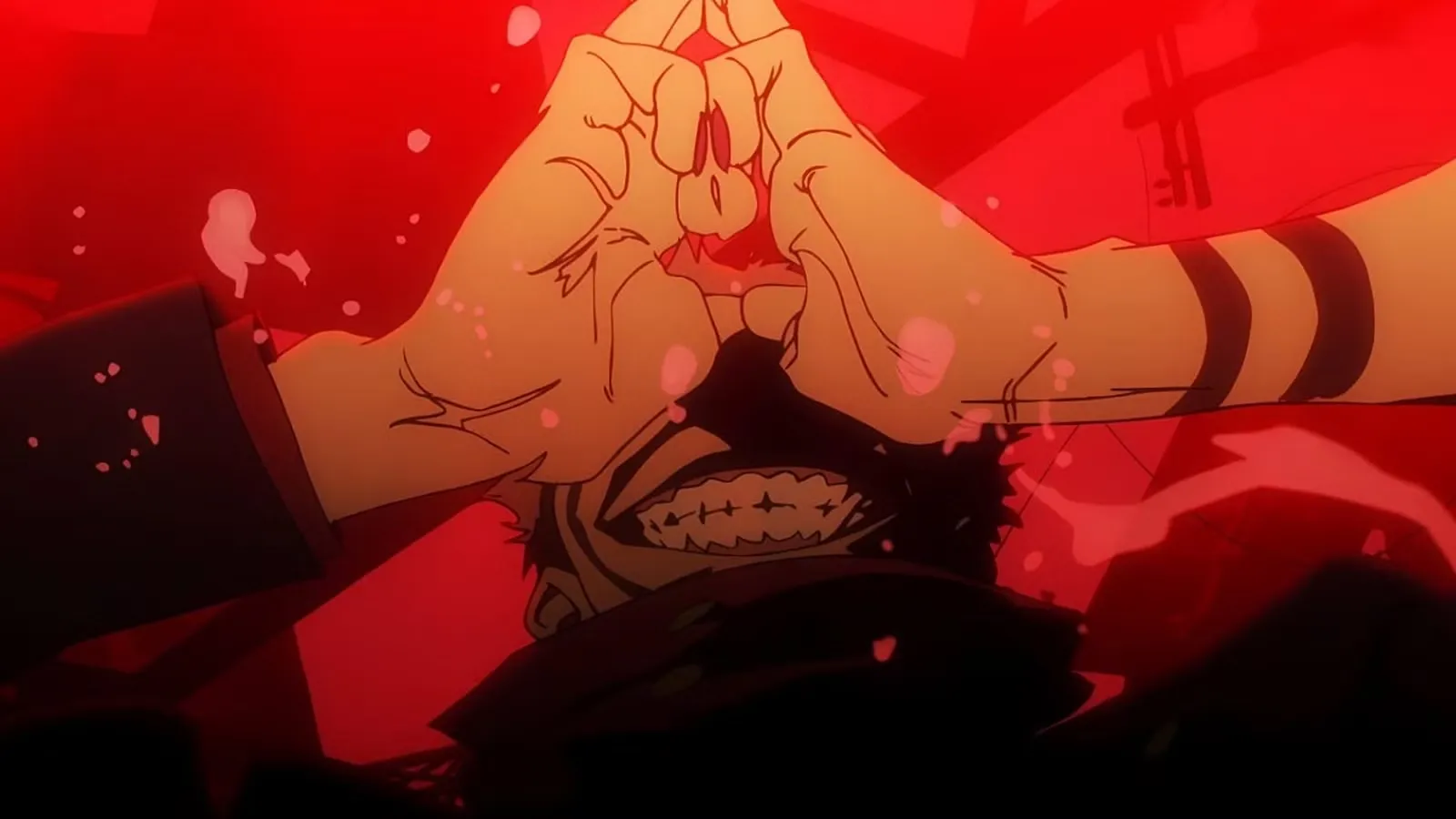
Ten Shadows is an inherited cursed technique associated with the Zenin clan. Its user forms hand signs that cast animal-like shadow shapes, then channels cursed energy through shadows to summon shikigami. Megumi inherited it despite growing up outside the clan's household, which helps explain why his talent attracts so much attention from powerful sorcerers.
Unlike an ordinary creature or a captured cursed spirit, a Ten Shadows shikigami is part of a specific summoning system. The ten slots represent types of summons, not simply ten animals standing together at once. The pair of Divine Dogs, for example, belongs to one type. Crunchyroll's guide to Megumi's summons documents the anime-visible creatures and their folklore connections.
How does Megumi summon and control shikigami?
The technique begins with the Divine Dogs. To command additional shikigami, the user must first defeat each one in an exorcism ritual. Winning that ritual brings the creature under the user's control for later battles. Summoning something before taming it is possible, but it is not the same as possessing a loyal ally. A creature summoned through an unfinished ritual can attack the summoner.
Shadows do more than act as doorways. Megumi can use them to conceal objects and reposition himself, and he can combine the strengths of multiple summons. This versatility has a cost: more elaborate summons demand cursed energy and concentration. For a primer on the fuel behind all these abilities, see our cursed energy system.
All ten Ten Shadows shikigami and their abilities
The following list distinguishes creatures shown by the end of the Shibuya Incident from those introduced later in the manga. That matters because many online lists quietly reveal developments the anime has not yet covered.
1. Divine Dogs: Tracking and close combat
The black and white Divine Dogs are Megumi's first companions. Their noses and instincts make them valuable scouts, while their claws allow direct attacks. When the white dog is destroyed, the black dog gains a stronger form known as Divine Dog: Totality. This is an early example of how a lost shikigami's power can be inherited rather than simply disappearing from the technique.
2. Nue: Aerial movement and electricity
Nue is a winged shikigami that lets Megumi attack from above and move through the air. Its electrical attacks can disrupt an opponent long enough for another summon or a teammate to act. It is particularly useful because Ten Shadows does not require every battle to happen at sword-fighting distance.
3. Toad: Restraint and rescue
Toad, sometimes called Gama, uses its tongue to seize people and pull them out of danger. Megumi often uses it as a support tool rather than a finishing move. That practical rescue role is easy to overlook in a series where the strongest attacks receive the most attention.
4. Great Serpent: Sudden capture
Great Serpent, also called Orochi, is a huge snake capable of emerging quickly and restraining a target. Sukuna destroys it early in the story. The loss illustrates an important Ten Shadows limitation: a fully destroyed shikigami generally cannot simply be summoned again in its original form.
5. Max Elephant: Water and overwhelming weight
Max Elephant can unleash large quantities of water and use its massive body to control space. It is effective against enemies who rely on movement or positioning, but its size and energy demands mean Megumi cannot treat it as a free, effortless attack. The technique rewards choosing the right summon rather than always choosing the biggest.
6. Rabbit Escape: Distraction and retreat
Rabbit Escape releases a swarm of rabbits that obscures sight lines and creates opportunities to escape or reposition. Individual rabbits are not impressive fighters. Their strength lies in numbers and confusion, making the summon a reminder that survival and battlefield control matter as much as raw damage.
7. Round Deer: Healing and disruption (manga spoiler)
Round Deer appears later in the manga. It uses positive energy associated with reverse cursed technique, giving the Ten Shadows arsenal an unusual restorative and disruptive option. Its role shows how a summoning ability can support healing and interfere with an enemy's technique instead of merely adding another attacker.
8. Piercing Ox: Momentum-based charge (manga spoiler)
Piercing Ox attacks in a straight line, with its force increasing as it builds up distance. That makes positioning central to its effectiveness. The ability has a clear trade-off: a predictable route can be exploited, but a long uninterrupted charge becomes increasingly threatening.
9. Tiger Funeral: The least-explained summon (manga spoiler)
Tiger Funeral is part of the Ten Shadows roster, but the original manga does not give readers a full standalone demonstration of its powers. It is associated with a later combined shikigami. Any precise standalone moveset or definitive ranking for Tiger Funeral should therefore be treated as speculation, not established canon.
10. Mahoraga: Adaptation at an extreme price
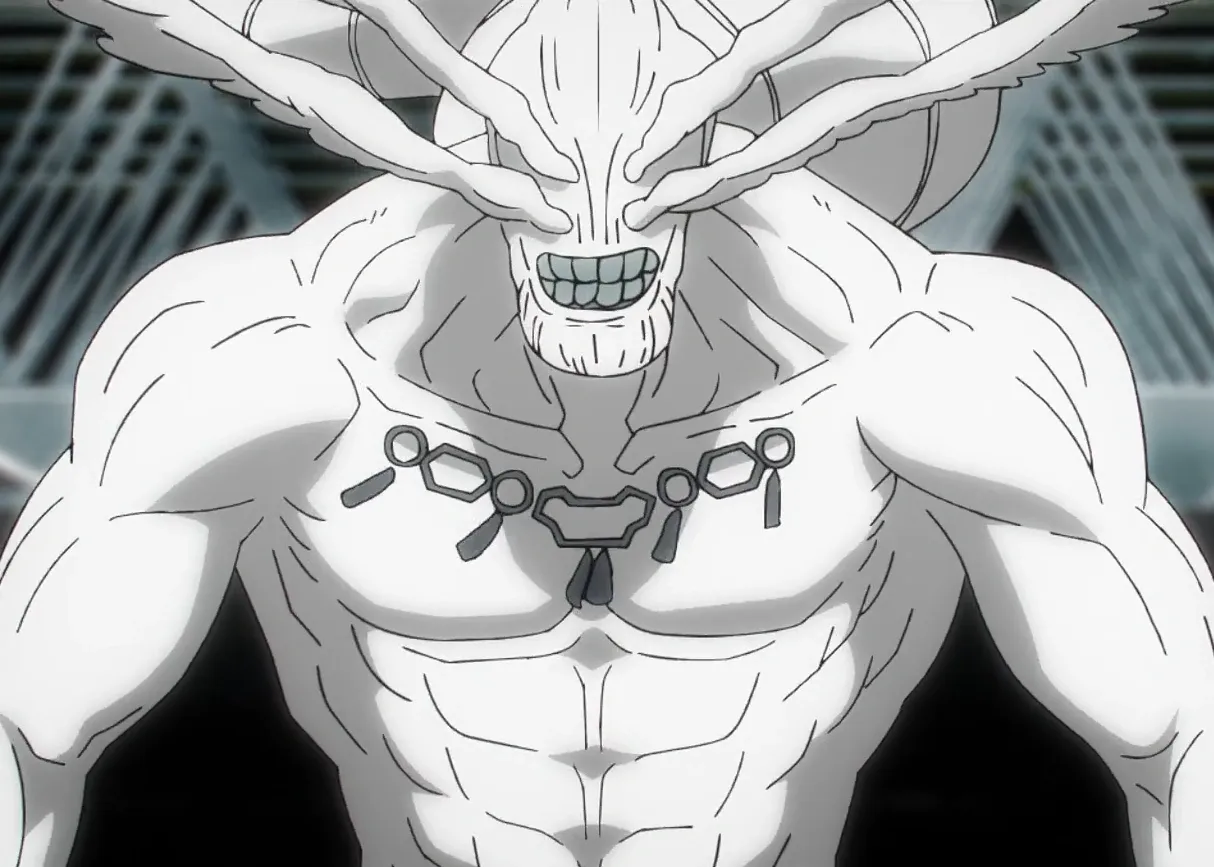
Eight-Handled Sword Divergent Sila Divine General Mahoraga is the technique's ultimate threat. The wheel above its head signals a capacity to adapt to phenomena and attacks over the course of a fight. Repeating an approach that initially worked can become disastrous once adaptation develops. However, adaptation is not a magical guarantee of instant victory; the encounter still depends on timing, the nature of the attack and the opponent's response.
In the Shibuya Incident, Megumi summons Mahoraga as a desperate last resort without having tamed it. The ritual places his own life in danger. Sukuna's intervention does not mean Megumi has suddenly gained a controllable Mahoraga. Crunchyroll's Shibuya recap describes that confrontation, while VIZ's official manga listing provides the original story's publication context.
What happens when a shikigami is destroyed?
A key rule separates Ten Shadows from a simple collection of endlessly respawning pets. A shikigami destroyed outright cannot normally return in the same form. Certain surviving summons can inherit traits or power from destroyed ones through Totality. Divine Dog: Totality is the clearest early example, but not every combination is interchangeable or automatically possible.
This is why Megumi must manage risk. Sacrificing a useful summon might create a stronger survivor, yet it also removes tactical options. The ability's appeal is its range of solutions, and losing a specialist can make future fights harder even if another creature becomes more powerful.
What is Chimera Shadow Garden?
Chimera Shadow Garden is Megumi's Domain Expansion. In its early form, it floods the battlefield with shadows, improves his ability to deploy shikigami and allows shadow-based feints and doubles. Unlike a fully realized domain, Megumi's initial version is incomplete and lacks the standard guaranteed-hit effect. Calling it the same kind of perfected open domain used by other characters would be misleading.
The domain reflects a change in Megumi's mindset: instead of treating his most dangerous summon as a convenient way to die with an opponent, he begins trying to win with the tools he already has. For how domains and guaranteed hits function generally, read our Domain Expansion guide.
Why is the Ten Shadows Technique so important to the Zenin clan?
The Zenin family prizes inherited techniques, and Ten Shadows offers exceptional strategic potential. Its importance is not just a rumor about Megumi becoming powerful. Gojo tells Megumi about a historical clash between a Ten Shadows user and a Gojo clan head who possessed both Limitless and the Six Eyes. The story ends with both fighters dead, emphasizing the danger of underestimating this inheritance without proving that every user will match Gojo.
There is also an interesting contrast with Toji Fushiguro, Megumi's father. Toji's power comes from a Heavenly Restriction rather than a conventional cursed technique. Their different abilities highlight how the series treats inherited talent and physical trade-offs. Our Heavenly Restriction explained article covers that distinction; Crunchyroll's Gojo-past recap provides context for Toji's earlier battles.
Manga spoilers: How does Sukuna use Ten Shadows?
Stop here if you want to avoid major post-Shibuya manga developments. After Sukuna takes control of Megumi's body, he demonstrates a much more aggressive application of Ten Shadows, including summons Megumi had not previously shown and altered ways of manifesting familiar creatures. His enormous skill and cursed energy change what the same inherited technique can accomplish.
That development should not be mistaken for evidence that Megumi had already tamed every creature or could perform every advanced application himself. The manga deliberately contrasts the potential of a technique with the experience of its user. VIZ Volume 25 covers the relevant stretch of the story. Readers interested in technique restrictions more broadly can also explore our binding vows explained, although Ten Shadows' taming ritual is not itself a general-purpose binding vow.
Is Ten Shadows stronger than Limitless?
There is no simple universal answer. The historical Zenin-Gojo duel demonstrates that a Ten Shadows user can threaten an extraordinary opponent, but the account does not establish a clean numerical ranking of the two techniques. Preparation, mastery, available summons and the circumstances of a fight all matter. Mahoraga's adaptation is a terrifying advantage, yet summoning it without control can be suicidal.
Ultimately, Ten Shadows is compelling because it asks its user to think like a strategist. Dogs locate targets, toads rescue allies, rabbits buy time, elephants change the terrain, and Mahoraga changes the stakes entirely. Megumi's progress comes not from unlocking a single unbeatable creature but from learning to make those different abilities work together.
Frequently asked questions
Frequently asked questions
What is Megumi's Ten Shadows Technique?
An inherited Zenin clan cursed technique that uses shadows to summon and control up to ten kinds of shikigami, each with different roles.
How many shikigami are in Ten Shadows?
Ten types. The two Divine Dogs are counted as one type, while some later summons appear only in the manga.
Can Megumi control Mahoraga?
Not during the Shibuya Incident. Summoning Mahoraga in an untamed exorcism ritual puts Megumi in danger rather than giving him a loyal ally.
Can destroyed Ten Shadows shikigami come back?
A completely destroyed shikigami generally cannot return in its original form, although surviving summons can inherit some power through Totality.
What does Chimera Shadow Garden do?
Megumi's incomplete Domain Expansion fills the area with shadows and improves his summoning and movement options, but initially lacks a normal guaranteed-hit effect.
Are Round Deer and Piercing Ox in the anime?
They are manga-introduced Ten Shadows summons beyond the Shibuya Incident material covered by the main anime-safe portion of this guide.