
In Fullmetal Alchemist: Brotherhood, the Homunculi are seven artificial beings named after the deadly sins: Pride, Lust, Greed, Envy, Gluttony, Wrath and Sloth. They work for Father, a mysterious figure whose plans extend across Amestris. Their unusual abilities make them dangerous opponents, but their personalities reveal something more important about the story's view of humanity.
This guide follows Hiromu Arakawa's manga and the 2009 anime Brotherhood. The original 2003 Fullmetal Alchemist anime uses a different continuity, including different origins and identities for some Homunculi. Major spoilers for Brotherhood and the manga follow.
What is a Homunculus in Fullmetal Alchemist?
A homunculus is an artificially created humanlike being. Father separates aspects of himself into seven creations, most of which possess Philosopher's Stones at their cores. These Stones let them regenerate from injuries that would kill humans. However, the stones contain human souls, so this recovery is not free or limitless.
That hidden cost connects the villains to the central rules of alchemy. Edward and Alphonse are searching for a way to restore their bodies, but the apparent miracle of the Stone conceals a horrifying sacrifice. Read our Equivalent Exchange guide for the underlying rules. The official Brotherhood character guide identifies Father as their creator.
Why are they named after the seven deadly sins?
Father believes he can become superior by removing qualities he considers flaws. Each Homunculus embodies one rejected trait. Pride looks down on others, Envy resents human bonds, and Greed desires everything. Yet Father remains arrogant and insatiably ambitious himself. The irony is that removing parts of himself does not make him understand or transcend them.
The seven also serve a common conspiracy. Some manipulate military leaders, some kill witnesses, and others prepare a nationwide transmutation circle. Their activities appear unrelated until the Elrics discover how carefully the history and geography of Amestris have been shaped.
Lust: the Ultimate Spear
Lust extends her fingertips into lethal blades known as the Ultimate Spear. She is also composed and calculating, often coordinating the Homunculi's early operations. Roy Mustang eventually destroys her by repeatedly burning her regenerating body until the souls sustaining her Stone are exhausted. The official character biography confirms both her weapon and her death.
Gluttony: hunger and the false Gate
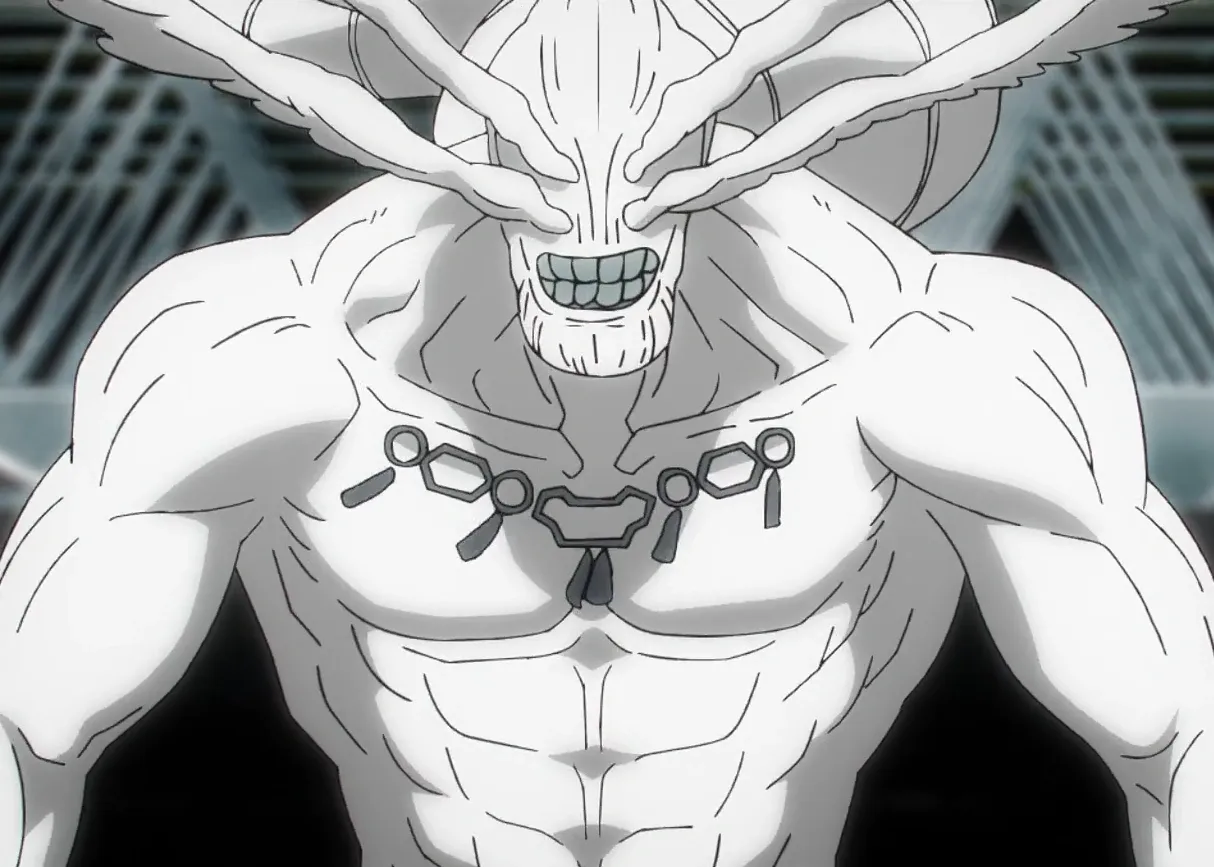
Gluttony is driven by appetite, but he is more dangerous than his childlike behavior suggests. He has an exceptional sense of smell and can open a terrifying space within his body. This false Gate is Father's failed attempt to reproduce the Gate of Truth, trapping those swallowed into it.
Gluttony also reveals how expendable Father's creations are to one another. Pride eventually consumes him and acquires his powers, a development confirmed by VIZ's Volume 22 description.
Envy: shapeshifting and resentment
Envy can imitate the appearance of people they have seen. Their impersonation of Maes Hughes's wife during his murder shows how cruel this power can be: it exploits affection rather than relying on force. Envy also has a monstrous true form that reveals the suffering hidden beneath the disguise.
Their deeper weakness is emotional. Envy ridicules human relationships but cannot bear that humans form meaningful connections. The character's downfall exposes the insecurity behind the cruelty, turning an apparent superiority complex into a portrait of loneliness and jealousy.
Greed: the Ultimate Shield
Greed changes the carbon in his body into a hardened defensive covering called the Ultimate Shield. Edward discovers that its material can be manipulated rather than merely struck. Greed is also unusually independent: he leaves Father's group and builds his own circle of followers.
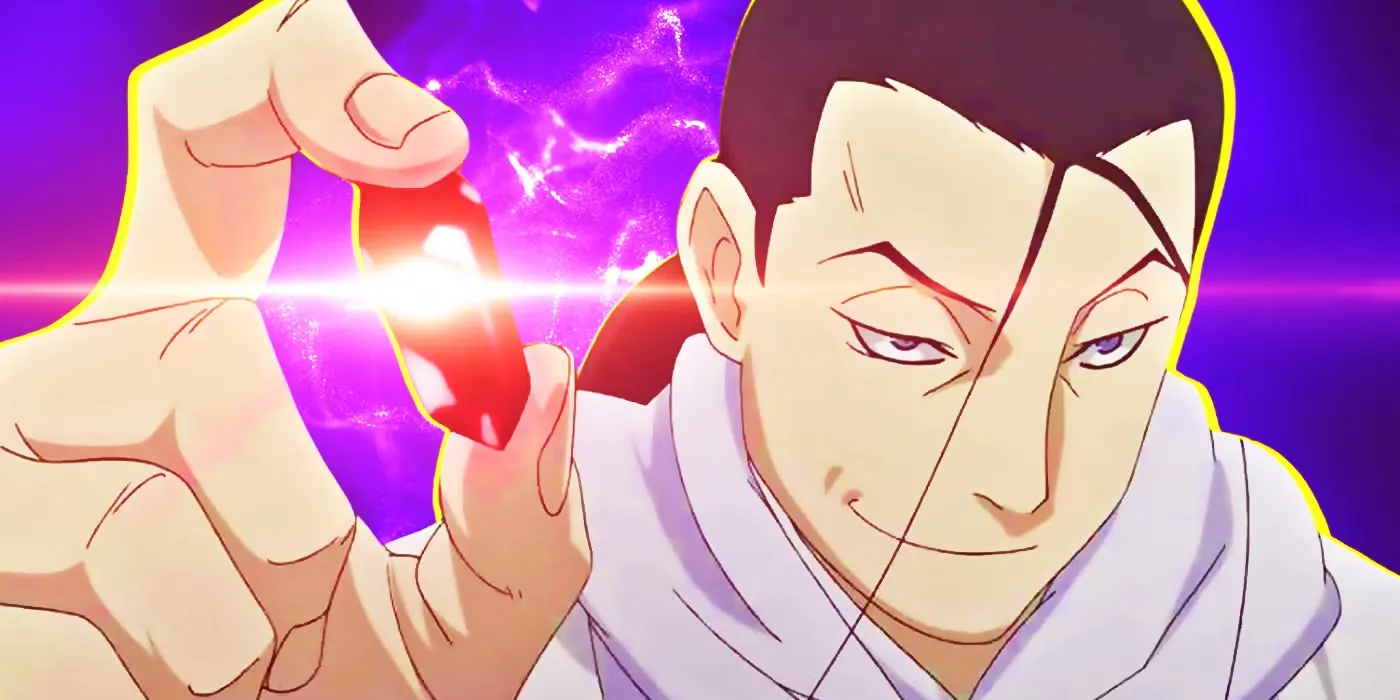
After Father reabsorbs the original Greed, a new version shares Ling Yao's body. Ling remains conscious, and the two develop a complicated partnership. The official character guide confirms this coexistence, while VIZ Volume 8 covers Greed's earlier story.
Greed eventually discovers that what he really wants is not wealth or possessions but people who trust him. That realization directly challenges Father's belief that desire is merely a weakness to discard.
Wrath: King Bradley and the Ultimate Eye
Wrath is King Bradley, the Führer of Amestris. Unlike most Homunculi, he began as a human who survived the implantation of a Philosopher's Stone. He ages and cannot endlessly regenerate. His Ultimate Eye gives him extraordinary perception, allowing precise, devastating sword attacks.
His political role matters as much as his fighting ability. The country's supreme military leader is secretly an instrument of Father's conspiracy. The official Brotherhood character page identifies Bradley as Wrath and explains why his human body ages.
Sloth: strength beneath Amestris
Sloth constantly complains that work is troublesome, yet spends years digging the tunnel beneath Amestris that completes Father's nationwide transmutation circle. He has immense strength, durability and surprising speed. His sin is expressed through his attitude, not through an inability to perform physical labor.
The tunnel is evidence that seemingly unrelated conflicts across the country are connected. Sloth's obedience makes him part of an enormous atrocity without requiring him to care about its consequences. VIZ Volume 16 introduces this frightening Homunculus.
Pride: Selim Bradley and living shadows
Pride is Father's first Homunculus, disguised as Selim Bradley, the Führer's apparently innocent son. His shadow-like extensions contain eyes, mouths and cutting edges. They are devastating weapons, but their operation depends on the surrounding light and darkness.
Pride sees others as disposable and consumes Gluttony for his abilities. His human family disguise is a striking contradiction: a being who claims superiority over people survives by appearing to be a loved child. VIZ Volume 22 confirms his acquisition of Gluttony's powers.
Who is Father and what is his plan?
Father's origins are linked to the Dwarf in the Flask, Van Hohenheim and the destruction of Xerxes. He creates the Homunculi while seeking to escape his limitations through a nationwide act of alchemy on the Promised Day. Their missions support the political and physical preparation required for that event.
The plan exposes his central failure. He tries to eliminate human flaws but remains obsessed with power and freedom. VIZ Volume 24 describes Father's confrontation with Hohenheim, and Crunchyroll's Episode 28 listing documents the Elrics witnessing the creation of another Homunculus.
Can Homunculi die if they regenerate?
Yes. Most rely on the finite supply of souls inside their Philosopher's Stones to repair injuries. Enough damage can exhaust that supply. Wrath is an important exception because his body is human, while Pride's attacks have environmental restrictions. A technique that defeats one Homunculus will not necessarily defeat another.
The cost of power is a recurring theme in anime, although different stories use different rules. Chainsaw Man's devil contracts offer another example of supernatural abilities that demand a price.
How are the Homunculi different in the 2003 anime?
The 2003 Fullmetal Alchemist anime diverges from the manga. Its Homunculi are associated with failed human transmutations, and some identities differ. King Bradley is Pride in that continuity, not Wrath; Sloth and Wrath also have different origins. The Brotherhood explanations above should not be applied to that separate storyline.
Neither version is simply a slightly edited copy of the other. Brotherhood follows Arakawa's manga, while the earlier anime develops an original narrative. Confusion usually comes from combining the two continuities without recognizing their differences.
Why the Homunculi matter beyond their powers
Each Homunculus exposes a contradiction in Father's worldview. Greed learns loyalty, Envy resents affection, Pride depends on a family disguise, and Wrath rules among humans. Their powers drive the action, but their emotional limitations give the villains meaning.
Unlike a straightforward supernatural hierarchy such as Black Clover's devils and ranks, Fullmetal Alchemist uses its villains to question perfection without empathy. Father's downfall suggests that rejecting human weakness can also mean rejecting what makes life valuable.
Frequently asked questions
Frequently asked questions
Who created the Homunculi in Brotherhood?
Father created all seven as embodiments of traits he sought to separate from himself.
Are the Homunculi immortal?
No. Most regenerate through Philosopher's Stones containing finite supplies of human souls.
Which Homunculus is King Bradley?
He is Wrath in Brotherhood and Pride in the 2003 anime.
Who is Pride in Brotherhood?
Pride is Father's first Homunculus and disguises himself as Selim Bradley.
Why does Greed share Ling Yao's body?
Father implants Greed's Stone into Ling, whose consciousness survives.
Are the Homunculi the same in both anime?
No. The 2003 series has different origins, identities and story events.