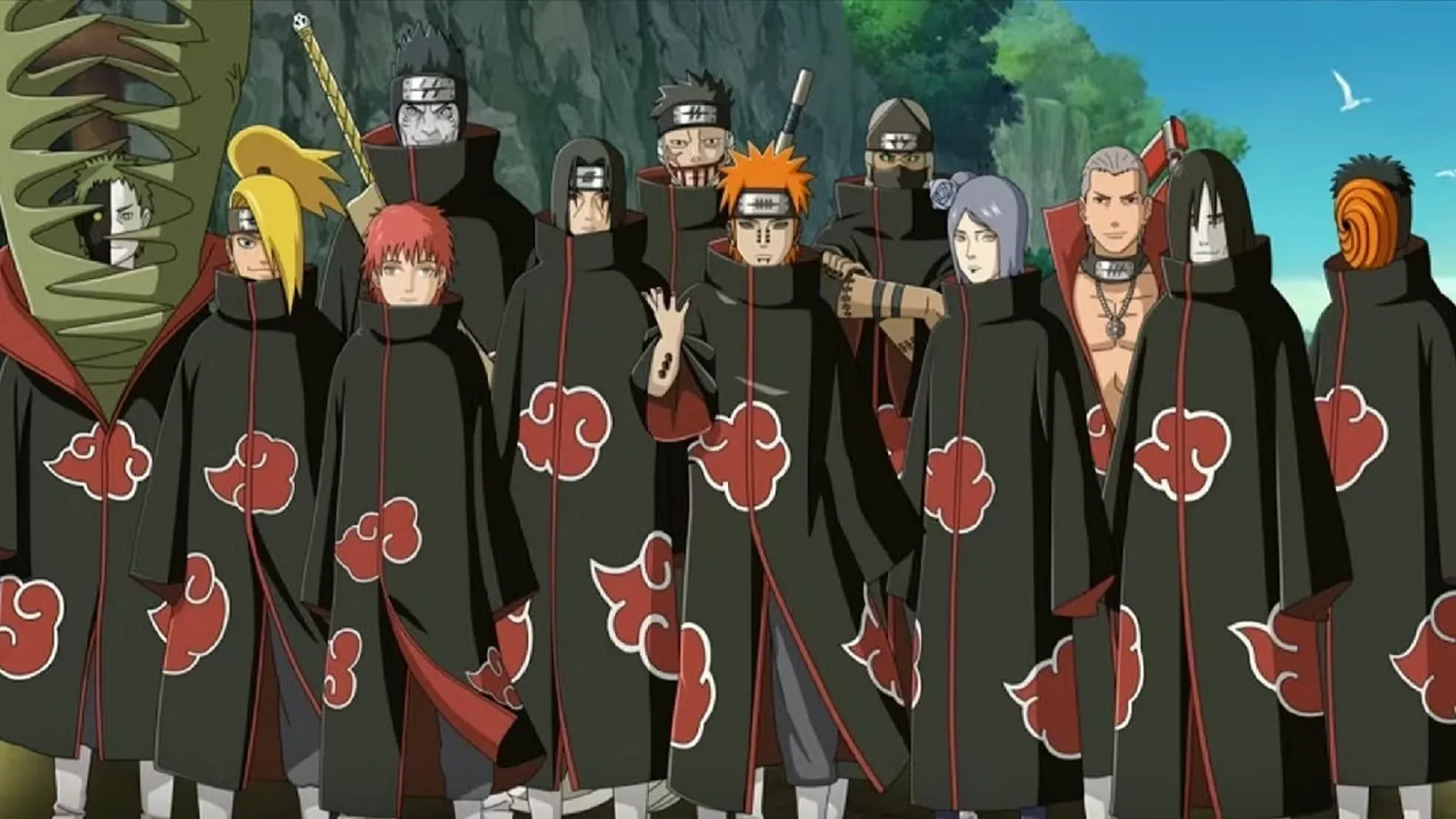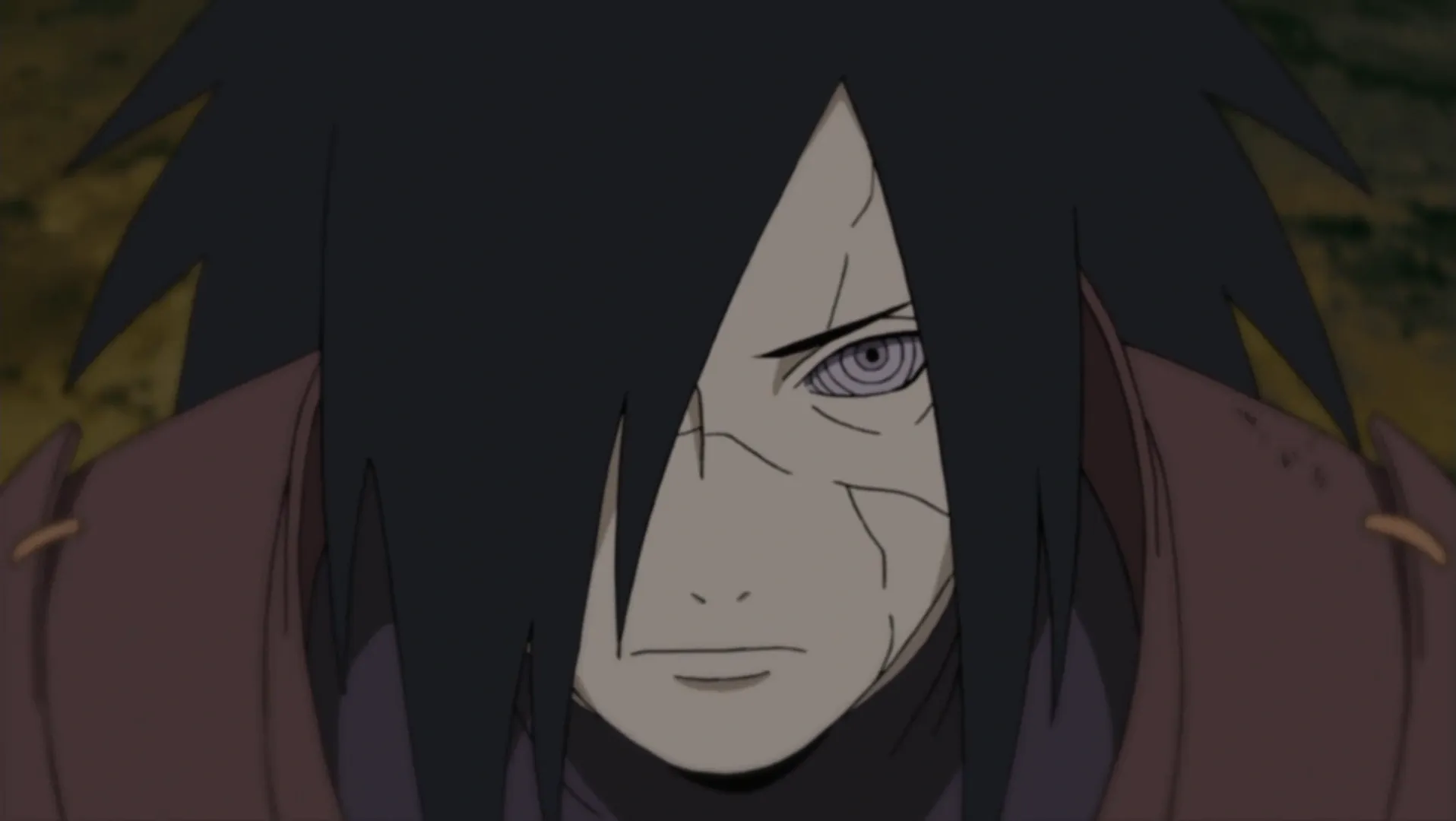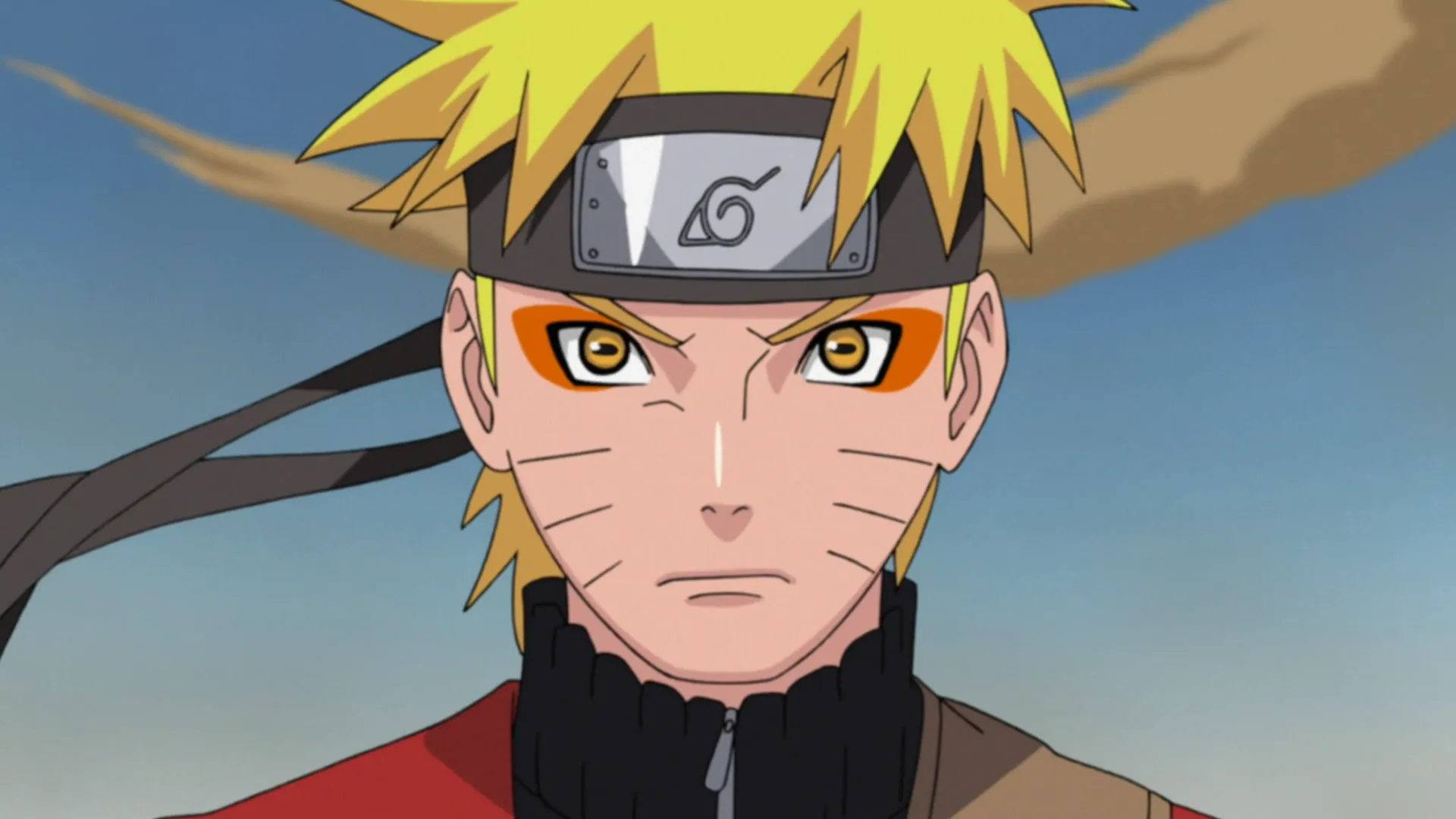

The nine Tailed Beasts are among the most powerful beings in Naruto, but they are not simply monsters with bigger attacks. Each has a name, a personality, an enormous supply of chakra and a history shaped by how humans treated it. Their human hosts, called jinchuriki, often pay the price for that fear.
This guide names all nine beasts and their best-known hosts, explains what being a jinchuriki actually means, and separates the Nine Tails from the Ten Tails. It also covers important later developments in Boruto. Spoiler warning: major Naruto: Shippuden and Boruto: Two Blue Vortex plot details follow.
What are the Tailed Beasts in Naruto?
Tailed Beasts, or biju, are living concentrations of extraordinary chakra. They are sentient beings, not ordinary summoned animals, and their names matter: the fox is Kurama, not merely the Nine Tails. The official Naruto website identifies the complete group from Shukaku through Kurama. A tail count helps identify each creature, but it is not a reliable formula for ranking every possible battle.
The shinobi villages have repeatedly treated these beings as military assets. Some sealed them inside people to create jinchuriki, hoping to control their strength. That strategy gave villages deterrents and weapons, but it also subjected many hosts to isolation, suspicion and dangerous training.
All nine Tailed Beasts and their jinchuriki
One Tail: Shukaku and Gaara
Shukaku is a tanuki-like beast associated with sand and sealing techniques. Gaara, its best-known jinchuriki, grew up feared in the Hidden Sand and initially believed he could trust nobody. Akatsuki's capture of Gaara and extraction of Shukaku launches a major Shippuden storyline. Gaara later becomes Kazekage and builds a life defined by protecting others rather than terrorizing them.
Two Tails: Matatabi and Yugito Nii
Matatabi resembles a large, blue-flamed cat. Its best-known host is Yugito Nii of the Hidden Cloud. Yugito can use a Tailed Beast transformation, yet Akatsuki's pursuit shows that controlling a powerful creature does not make a jinchuriki invulnerable. Matatabi's distinct appearance and fire-associated abilities also demonstrate why the nine beasts should not be treated as interchangeable chakra batteries.
Three Tails: Isobu and Yagura
Isobu is a turtle-like beast with a heavily armored shell. Yagura, the Fourth Mizukage of the Hidden Mist, is its best-known jinchuriki; Rin Nohara also briefly carried Isobu in an earlier tragedy. The Three Tails' history is closely tied to manipulation and conflict involving the Mist, making it one of the clearest examples of a beast being used as a tool in human schemes.
Four Tails: Son Goku and Roshi
Son Goku is an ape-like Tailed Beast known for lava-related power. Its host Roshi is a shinobi associated with the Hidden Stone. During the war, Naruto's encounter with Son Goku is important because Naruto asks for the beast's name and recognizes its dignity. This becomes a turning point in how he relates to the biju as individuals rather than targets to suppress.
Five Tails: Kokuo and Han
Kokuo has a pale, horse-like body with a dolphin-like head. Its well-known jinchuriki is Han of the Hidden Stone. The Five Tails is associated with steam-based power, reflecting a different combat specialty from Son Goku's lava. Like several hosts outside the main cast, Han receives less individual screen time, but his inclusion reinforces the international reach of the jinchuriki system.
Six Tails: Saiken and Utakata
Saiken resembles a giant slug and is associated with corrosive substances and bubbles. Utakata of the Hidden Mist is its best-known host. His story highlights the difficulty of escaping a past defined by one's status as a jinchuriki. Saiken's abilities are also a reminder that a Tailed Beast's threat is not measured solely by how much raw destructive chakra it can unleash.
Seven Tails: Chomei and Fu
Chomei is an insect-like beast whose wings and unusual body set it apart from the others. Fu, a shinobi of the Hidden Waterfall, is its best-known jinchuriki. Although the Seven Tails gets less focus than Kurama or Gyuki, it is explicitly part of the official nine-beast lineup. Chomei's existence expands the world beyond the five great villages.
Eight Tails: Gyuki and Killer Bee
Gyuki combines features of an ox and an octopus, with tentacle-like tails. Its host Killer Bee of the Hidden Cloud is one of the series' most effective jinchuriki because he cooperates with his beast. Bee trains Naruto in controlling the Nine Tails' chakra. Their relationship shows that trust and practiced coordination can matter more than simply forcing a creature into submission.
Nine Tails: Kurama and Naruto Uzumaki
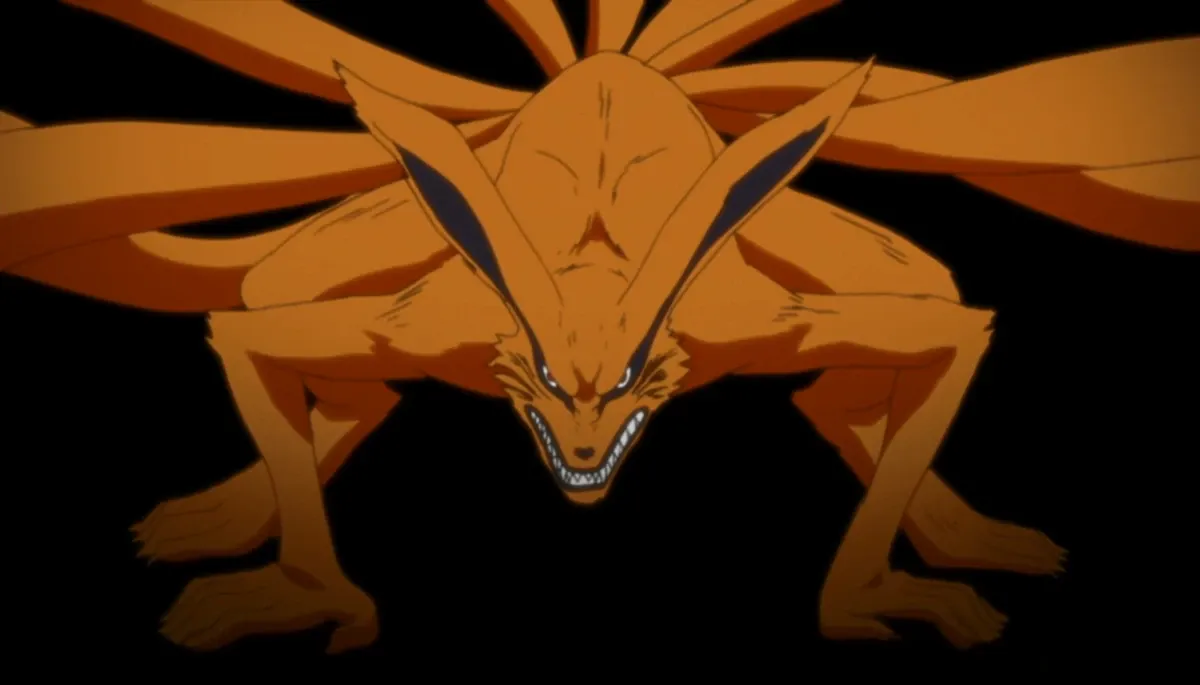
Kurama is the immense nine-tailed fox sealed inside Naruto shortly after his birth. Earlier hosts include Mito Uzumaki and Kushina Uzumaki. Naruto initially experiences Kurama as a frightening force, but their relationship develops into a partnership during the Fourth Great Ninja War. The official Naruto retrospective describes the moment Kurama finally chooses to fight beside him.
Kurama's story does not end with the original series. In Boruto, the beast sacrifices itself to enable Baryon Mode against Isshiki. The official Boruto database later confirms Kurama's unusually rapid rebirth within Himawari. Our Why Did Naruto Lose Kurama? guide explains the sacrifice and return in more detail.
What is a jinchuriki, and can a host control a beast?
A jinchuriki is a person with a Tailed Beast sealed inside them. The seal allows the host and beast to share a body, but the relationship varies dramatically. Some hosts struggle against a beast's will, while others gradually negotiate cooperation. A jinchuriki may access chakra cloaks, partial transformations or a complete beast form depending on their circumstances and training.
Naruto's early attempts to draw on Kurama's chakra are risky because the beast's hostility can overwhelm him. Killer Bee offers a different model, showing how a host can fight alongside a willing partner. The official Naruto anniversary recap follows Naruto's training with Bee and his encounter with Kushina, which helps him take control of Kurama's chakra.
Jinchuriki powers are not the same as What Is Sage Mode in Naruto?. Sage Mode gathers natural energy, while Tailed Beast power draws on the chakra of a separate living being. Naruto can use both, but the mechanisms and limitations are distinct.
Where did the nine Tailed Beasts come from?
Their origin goes back to the Sage of Six Paths, Hagoromo Otsutsuki, and the Ten Tails. After becoming the Ten Tails' jinchuriki, Hagoromo eventually divided its chakra into nine separate beings. He gave them individual identities and names. This history makes the biju more than fragments of an ancient weapon: they are separate lives with memories and wishes.
The Nine Tails and its counterparts therefore existed before modern hidden villages began sealing them into hosts. Their long history helps explain why many distrust humans. Naruto's willingness to learn their names and listen to them challenges generations of treatment that reduced them to weapons.
What is the Ten Tails? Is it stronger than Kurama?
The Ten Tails is not an additional ordinary member of the nine-beast lineup. It is an ancient, catastrophic entity connected to the chakra that Hagoromo later divided. In the Fourth Great Ninja War, the Gedo Statue is used in an effort to reconstitute the Ten Tails with chakra gathered from the nine beasts. The official Shippuden episode summary describes that transformation.
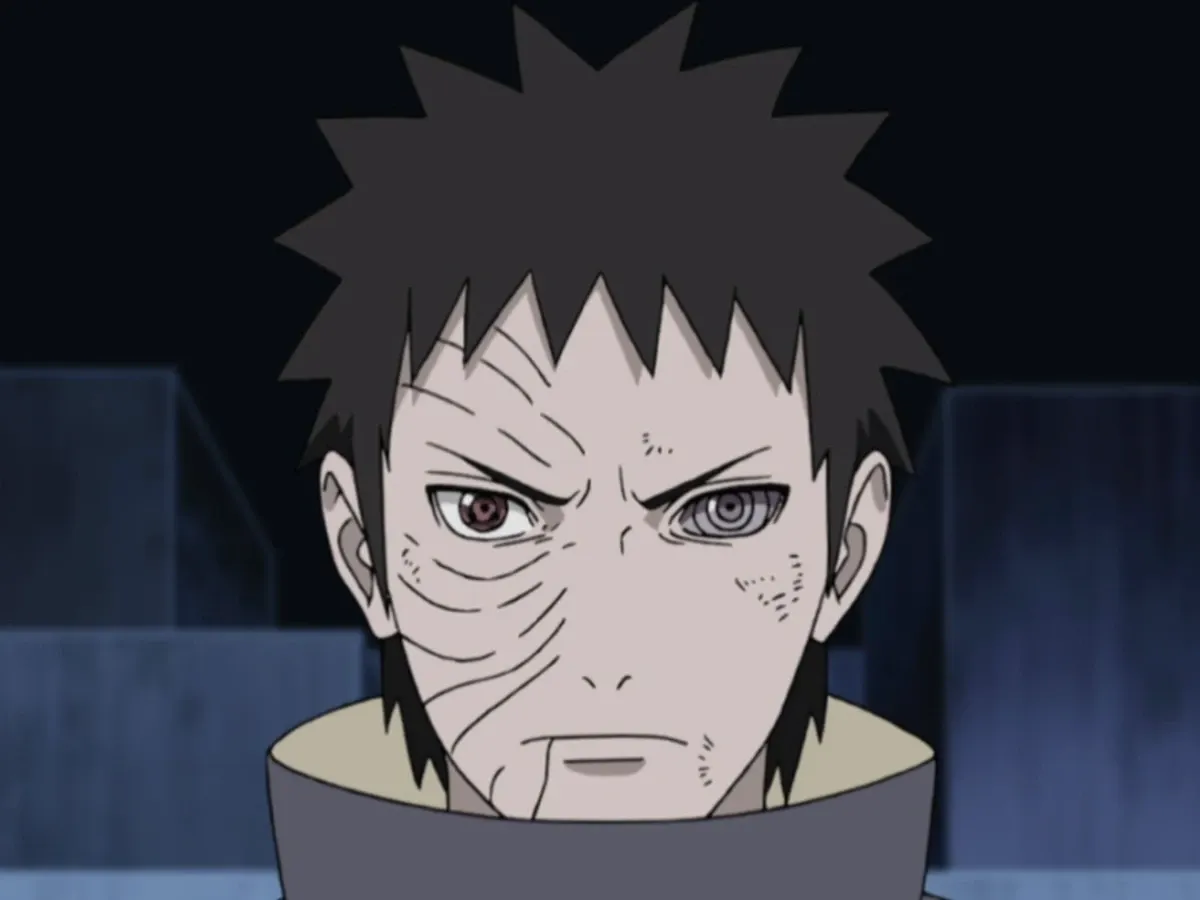
Obito later becomes the Ten Tails' jinchuriki, and Madara subsequently gains that power. This is a different scale of threat from an individual jinchuriki using one beast's chakra. The Ten Tails' role is also bound up with the Eye of the Moon Plan. For Obito's personal motives and manipulation, see Why Did Obito Turn Evil?.
Why did Akatsuki hunt the Tailed Beasts?
Akatsuki targeted jinchuriki because the organization needed the beasts' chakra for its larger plans. Extracting a beast usually kills its host, which makes the hunt more than a contest between powerful ninja. Gaara's abduction establishes the stakes, while the later war reveals how the collection effort fits Obito and Madara's ambitions.
Nagato's stated desire to end war through overwhelming fear differs from Obito's plan to trap humanity in an illusion. Both depend on treating extraordinary beings and their hosts as resources. The philosophical conflict is explored further in The Pain Invasion Arc Was Naruto at Its Darkest. Naruto's refusal to repeat that pattern is central to the resolution.
Are more tails always equal to more power?
Not necessarily. Tail count is a naming convention, not an official numerical power ranking. Kurama is exceptionally powerful, but a fight also depends on the host's skill, the beast's abilities, sealing techniques, terrain, cooperation and the opponent. Gyuki's teamwork with Killer Bee is a better example of effective use than any simplistic one-tail-versus-nine-tail chart.
Different beasts specialize in different techniques: Son Goku is linked to lava, Kokuo to steam, Saiken to corrosive effects and Gyuki to enormous physical force. Ranking them purely by tail count ignores those differences and risks presenting fan speculation as settled canon.
Do Tailed Beasts die permanently?
The Naruto universe treats their existence differently from an ordinary human lifespan. The official Boruto database explains that a Tailed Beast can eventually revive after death, although the process may take a very long time. Kurama's rebirth within Himawari happened unusually quickly, and the precise reason has not been confirmed. That distinction matters when discussing the apparent finality of Baryon Mode.
The Tailed Beasts explained in one answer
There are nine named Tailed Beasts: Shukaku, Matatabi, Isobu, Son Goku, Kokuo, Saiken, Chomei, Gyuki and Kurama. Their best-known hosts include Gaara, Yugito, Yagura, Roshi, Han, Utakata, Fu, Killer Bee and Naruto. They were created as separate beings from the Ten Tails' chakra, and the story increasingly asks readers to see them as people with agency rather than tools of war.
Frequently asked questions
Frequently asked questions
How many Tailed Beasts are there in Naruto?
Nine separate named Tailed Beasts were created from the Ten Tails' chakra. The Ten Tails is not a tenth ordinary member of that group.
Who are all nine Tailed Beasts?
Shukaku, Matatabi, Isobu, Son Goku, Kokuo, Saiken, Chomei, Gyuki and Kurama.
Who is the Eight Tails' jinchuriki?
Killer Bee of the Hidden Cloud is the Eight Tails Gyuki's best-known jinchuriki.
Is Kurama stronger than every other Tailed Beast?
Kurama is exceptionally powerful, but tail count alone is not a definitive battle ranking; techniques, hosts and circumstances matter.
What happens when a Tailed Beast is extracted?
Extraction normally kills the jinchuriki, which is why Akatsuki's capture of hosts is so dangerous.
Does Kurama return after Baryon Mode?
Yes. The official Boruto database confirms that Kurama is reborn within Himawari, unusually quickly; the exact reason remains uncertain.
Sources & references10 sources
- Official Naruto complete Tailed Beast lineup
- Official Naruto: Shippuden series overview
- Official Naruto anniversary recap: Naruto and Killer Bee
- Official Naruto anniversary recap: Kurama joins Naruto
- Official Naruto anniversary recap: Ten Tails and Obito
- Official Naruto anniversary recap: Hagoromo and Madara
- Official Shippuden episode 562: Ten Tails transformation
- Official Shippuden episode 598: Ten Tails jinchuriki
- Official Boruto Database: Kurama
- Official Boruto Two Blue Vortex volume 3 news