
The best female anime villains make the story harder in a way another antagonist couldn't. Isabella turns care into surveillance, Ragyo Kiryuin makes domination part of an entire social order, and Big Mom turns the idea of family into a source of fear. Their importance comes from the pressure they place on everyone around them.
This editorial ranking weighs characterization, thematic purpose and effect on the plot. It isn't a strongest-character ranking or a popularity poll. A terrifying fighter can place below a quieter antagonist whose decisions shape an entire arc.
Spoiler warning: identifying several characters as antagonists reveals early story turns. The entries discuss their roles and motives, including The Promised Neverland's opening premise and the Female Titan's identity in Attack on Titan. Final outcomes and late manga revelations are omitted.
The female anime villains in this ranking
- Best psychological threat: Isabella, The Promised Neverland.
- Best embodiment of a system: Ragyo Kiryuin, Kill la Kill.
- Best family-as-empire antagonist: Big Mom, One Piece.
- Best controlled underworld presence: Balalaika, Black Lagoon.
- Most morally complicated antagonist: Lady Eboshi, Princess Mononoke.
A useful distinction runs through the list: an antagonist opposes the protagonists, while a villain is also defined by serious wrongdoing. Most entries fit both categories. Lady Eboshi needs the more precise antagonist label, and Annie's role becomes more complicated as Attack on Titan broadens its perspective.
For a wider comparison across genders, see our anime villains with understandable motives. Understanding a motive doesn't make the resulting harm disappear.
12. Lady Eboshi — Princess Mononoke
Lady Eboshi belongs at the edge of a villain list because the film refuses to make her only one thing. Her leadership gives vulnerable people work and protection, while the expansion of Iron Town threatens the forest and its inhabitants.
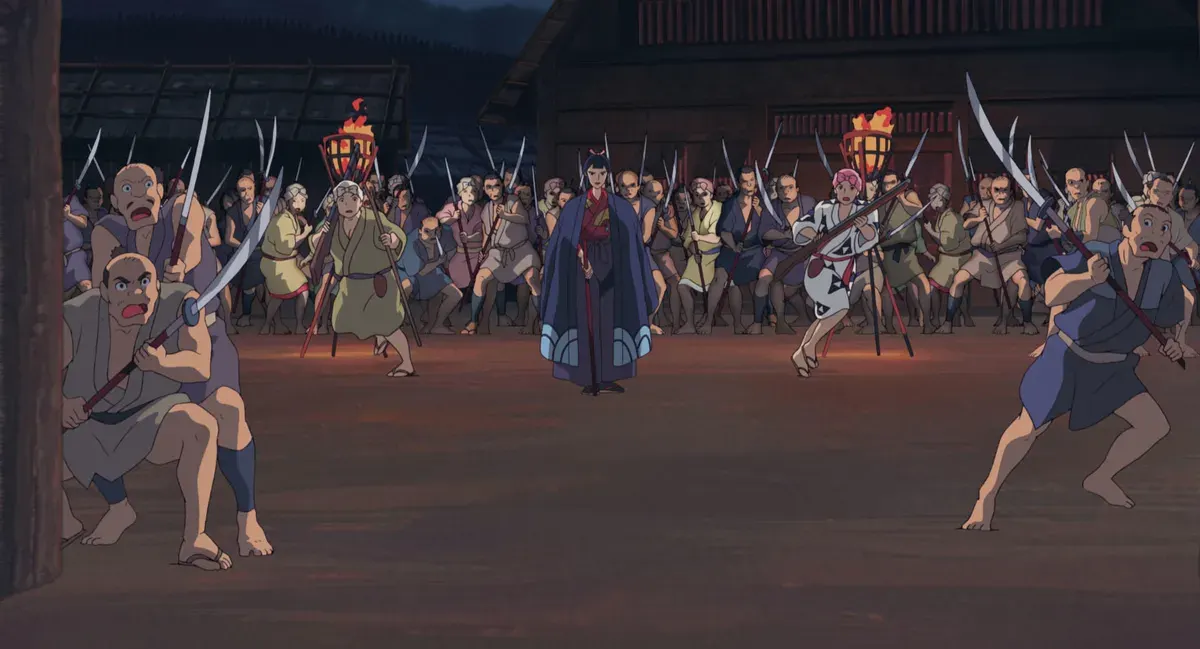
That combination makes her a valuable antagonist. If she were merely cruel, the conflict would be easier to resolve. Instead, the film makes the viewer recognize what her community gains and what her methods destroy. Her concern for people is real; it doesn't erase the consequences outside her walls.
Why she matters: she gives the conflict material stakes. Livelihood, safety and environmental damage cannot be settled by identifying one person as irredeemably evil.
Scope: this entry refers to Hayao Miyazaki's film, listed on Studio Ghibli's official Princess Mononoke page. She ranks here for complexity, with the antagonist qualification intact.
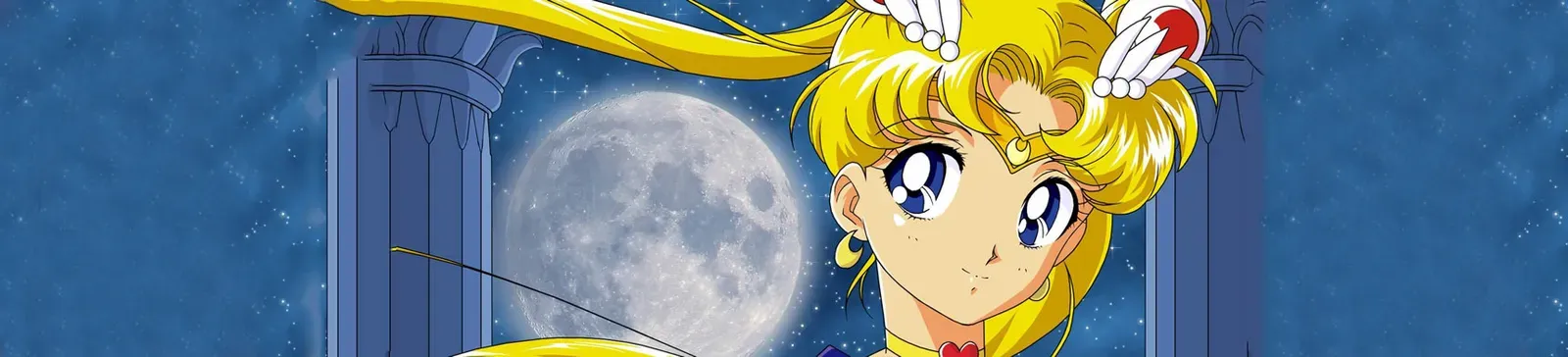
11. Queen Beryl — Sailor Moon
Queen Beryl gives the early Sailor Moon story a recognizable center of hostile authority. The Dark Kingdom's attacks turn ordinary places and everyday desires into threats, which makes Usagi's new responsibility feel immediate.
Her appeal is partly structural. A recurring magical-girl series needs a threat that can sustain smaller encounters while promising a larger confrontation. Beryl fills that role with a commanding presence and an emotional connection to the story's mythic past.
Why she matters: she helps turn the contrast between ordinary friendship and supernatural danger into a continuing narrative engine.
Scope: adaptations change emphasis and characterization. This entry focuses on her place in the original television anime's Dark Kingdom storyline rather than treating every Sailor Moon version as interchangeable. The official VIZ anime page provides the licensed series overview.
10. Daki — Demon Slayer
Daki is memorable because the Entertainment District arc first presents her through power, status and a carefully controlled image. Her treatment of people around her makes the danger social as well as physical.
The later focus on her relationship with Gyutaro complicates that first impression. Dependency and resentment exist alongside genuine attachment. The arc gives the siblings a history without asking the viewer to forget the people they hurt.
Why she matters: her changing presentation turns a seemingly self-sufficient threat into one half of a destructive family bond. That makes the confrontation more emotionally specific than another powerful demon encounter.
Scope: the Entertainment District anime arc. This ranking doesn't isolate Daki's strength from Gyutaro's or claim that a tragic past excuses her actions. Her placement comes from how the arc uses their relationship.
9. Annie Leonhart — Attack on Titan
Annie's effectiveness depends on the distance between her reserved everyday manner and the violence associated with the Female Titan. She initially seems difficult to know; the threat makes that emotional distance consequential.
Her presence also changes the nature of danger in Attack on Titan. The protagonists can no longer rely on a simple boundary between the people inside their group and the monsters outside it. Familiar behavior becomes something to reassess.
Why she matters: she helps move the series from survival horror toward conflicts involving knowledge, allegiance and unequal perspectives.
Scope: her early anime role is the focus here. Later developments complicate the word “villain,” so this placement recognizes her actions as an antagonist without reducing her entire character to that first reveal. Viewers avoiding identity spoilers should leave this entry until after the Female Titan storyline.
8. Himiko Toga — My Hero Academia
Toga connects a highly personal desire for acceptance with conduct that repeatedly endangers other people. Her idea of affection makes interactions unstable: what sounds intimate to her can be frightening to the person receiving it.
That tension becomes especially useful when the story places her beside characters who also struggle with identity and social expectations. Similar emotional needs don't produce equivalent choices. The writing invites comparison while keeping the harm visible.
Why she matters: she makes the series' discussion of belonging harder. A society can fail someone, and that person can still be responsible for hurting others.
Scope: this entry discusses her recurring anime characterization without revealing her final outcome. Her popularity, appearance or shipping potential isn't the basis for the ranking; the value is in the conflict her relationships create.
7. Esdeath — Akame ga Kill!
Esdeath is an unusually direct statement of a worldview: superior power entitles its holder to impose a will on others. Her confidence makes that belief feel like an operating principle rather than an excuse produced after a defeat.
Her personal attachments don't soften the political meaning of her actions. They show how the same controlling assumptions travel from warfare into intimacy. That consistency makes her a useful opponent for characters whose loyalties depend on cooperation and sacrifice.
Why she matters: she personifies the empire's coercive logic in a character who is charismatic enough to draw attention without making that logic admirable.
Scope: the television anime. Akame ga Kill!'s adaptation and manga diverge, so specific outcomes from one should not be imported into the other. Her place here reflects the anime's presentation, not a combined continuity.
6. Medusa — Soul Eater
Medusa turns apparently helpful roles into instruments of control. Her knowledge gives her access to people and institutions, while her willingness to experiment on others supplies the moral horror beneath the clever planning.
Her treatment of Crona is especially important. It makes manipulation a recurring relationship rather than a one-scene revelation. The damage isn't limited to what she can accomplish in battle; it continues through the habits and fears she creates in someone dependent on her.
Why she matters: she connects the series' larger supernatural conflict to intimate abuse of authority. A plan becomes more disturbing when the planner treats a person as material.
Scope: the Soul Eater television anime, whose later story differs from the manga. This entry avoids blending the two endings. Her precise plot role is more relevant here than a speculative ranking of her combat abilities.
5. Balalaika — Black Lagoon
Balalaika often feels dangerous before a weapon appears. Her authority comes from organization, experience and the knowledge that she can turn a decision into action through a disciplined network.
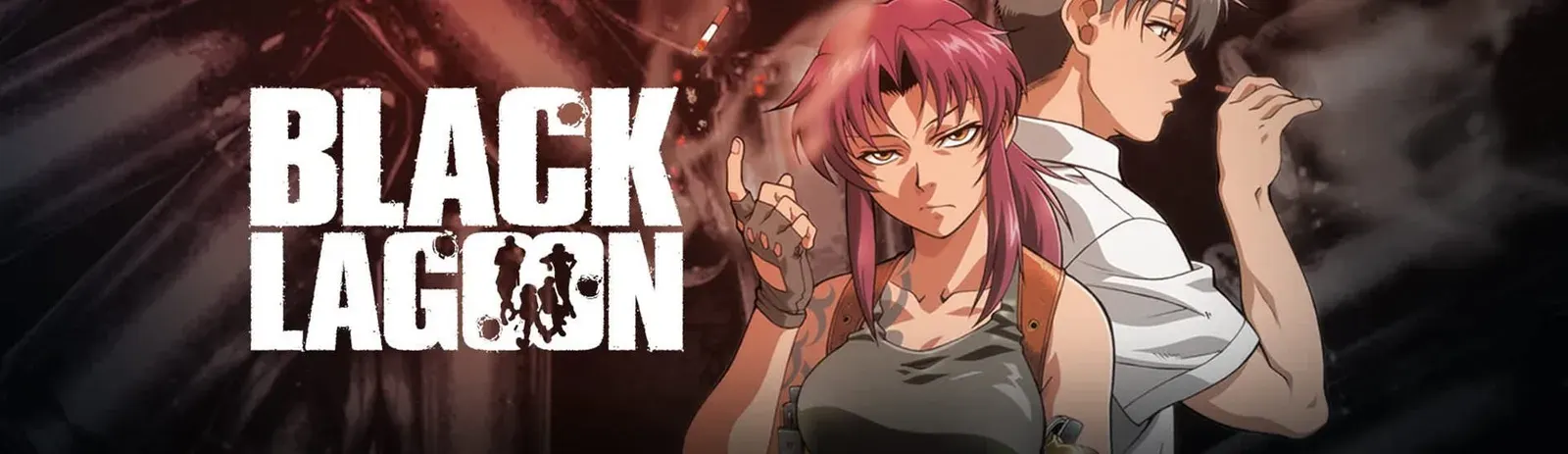
That changes the scale of a Black Lagoon confrontation. The protagonists may survive a chaotic exchange, yet the world around them still belongs to people who can decide what happens next. Balalaika's composure makes the difference between momentary violence and sustained power visible.
Why she matters: she is a test of the series' romantic image of the outlaw. Competence and loyalty can make a criminal leader compelling without making her methods humane.
Scope: a recurring underworld power, sometimes an ally and sometimes an opponent. “Villain” describes her ruthlessness, not a claim that she opposes the Lagoon Company in every storyline. VIZ's Black Lagoon overview establishes that wider criminal setting.
4. Lust — Fullmetal Alchemist: Brotherhood
Lust is effective because she makes an enormous conspiracy feel close enough to touch. Her conversations and attacks turn abstract suspicion into a direct threat to people the audience already knows.
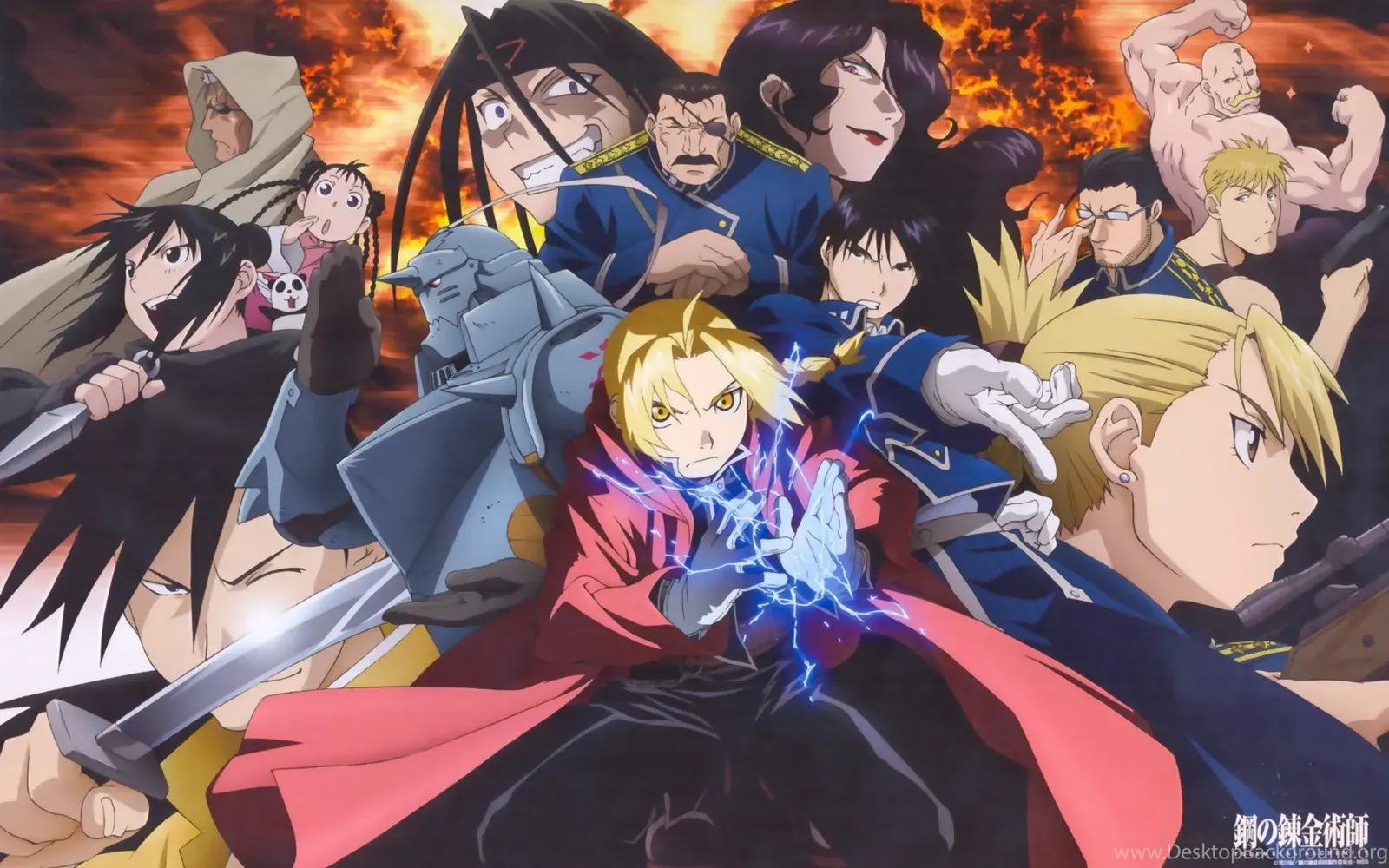
The character also benefits from restraint. She doesn't need the longest backstory or the highest body count to carry a scene. Her confidence and ability to exploit the gap between what someone knows and what they assume create pressure quickly.
Why she matters: she gives the early and middle portions of Brotherhood a focused human-shaped danger while the larger structure of the story is still becoming clear.
Scope: Fullmetal Alchemist: Brotherhood specifically. The 2003 Fullmetal Alchemist anime gives Lust a substantially different characterization. Combining the two versions would create a misleading account of her motives. The source manga's official VIZ page is a starting reference, not evidence that both anime tell the same story.
3. Big Mom — One Piece
Charlotte Linlin turns family into an institution. Her children, alliances and territory make her influence feel larger than one powerful pirate, and the language of celebration can sit beside extreme fear.
The contrast matters. A place associated with sweets and festivities becomes unsettling when happiness is enforced and personal bonds carry political obligations. Her emotional volatility threatens individuals, while her position makes that volatility everyone else's problem.
Why she matters: she shows how a family can function as an empire. The threat isn't only what she can do herself; it is how many lives are arranged around managing her demands.
Scope: the anime's Whole Cake Island portrayal provides the main basis here. This isn't a claim about her current status in the latest manga, nor a ranking of One Piece's strongest characters. Her narrative system earns the placement.
2. Ragyo Kiryuin — Kill la Kill
Ragyo's extravagance makes domination visible. Clothing, rank and family authority all connect to the series' interest in who controls a body and who gets to determine another person's place.

She also expands the scale of the story without abandoning its personal stakes. The conflict around the academy becomes part of a larger structure, yet the family relationships keep the threat immediate. Her theatrical presentation makes that structure feel grotesque rather than merely bureaucratic.
Why she matters: she joins a personal abuser's desire for control to a system built to enforce it. The spectacle has a clear thematic function.
Scope: the Kill la Kill television anime. The series contains disturbing abuse and sexual violence alongside its exaggerated action. The official licensed series listing includes content advisories; this entry discusses those subjects without describing the scenes graphically.
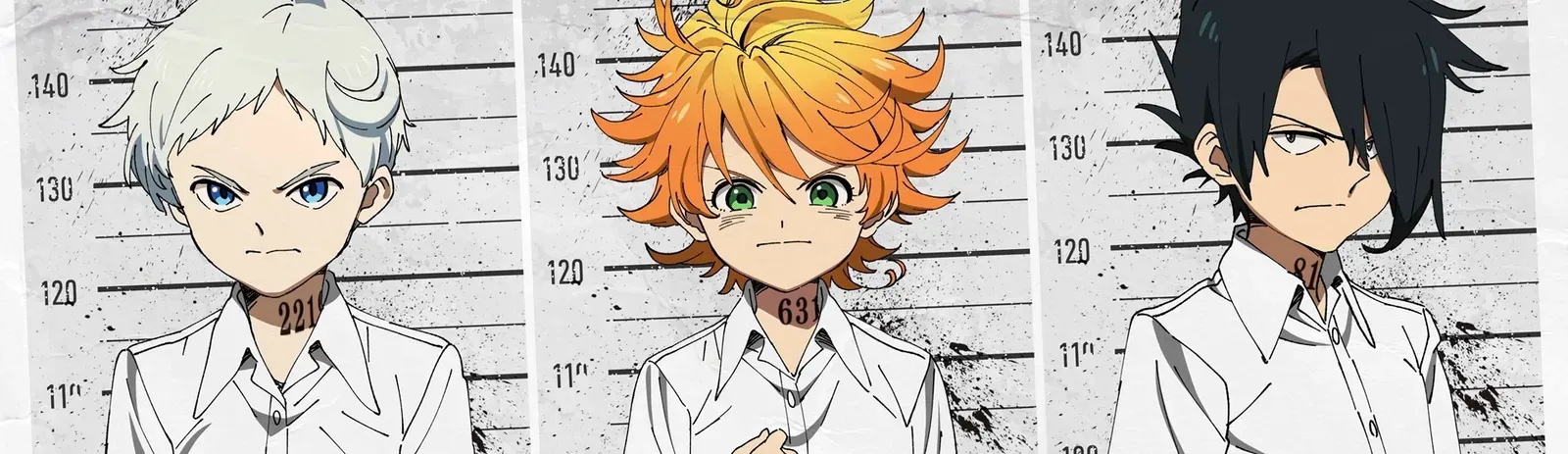
1. Isabella — The Promised Neverland
Isabella is the strongest choice here because her most threatening tools already belong to her everyday role. She knows the children's routines, strengths and attachments. Information that should support care becomes a way to anticipate resistance.
That makes the opening season's contest unusually tense. The children need to act while appearing ordinary to someone who has spent years observing them. A reassuring expression can carry more danger than an explicit threat because the audience understands what sits behind it.
Why she matters: the antagonist's relationship with the protagonists determines the form of the entire conflict. Replace Isabella with an unfamiliar guard and the story loses much of its emotional pressure.
Scope: the first anime season. VIZ's series description states the opening premise, but this ranking avoids later outcomes. Her first-place position is an editorial judgment about that season's construction, not a claim that she is the most powerful character.
Why these female anime villains work
The strongest entries affect more than a fight. Isabella changes what safety means. Balalaika changes how the protagonists understand freedom in a criminal city. Big Mom turns kinship into a set of obligations backed by force.
They also require different responses. Physical resistance may matter against Esdeath, but recognizing a pattern of manipulation matters against Medusa. Lady Eboshi introduces a harder problem still: opposing destructive choices while recognizing the people who depend on her.
That variety is what makes the category interesting. A good antagonist forces the story to become more specific about its values. A tragic history, a striking design or a spectacular ability can help, but none replaces a consequential role. Our analysis of Yhwach in Bleach applies a similar question to an antagonist who threatens the rules of his setting.
Who is the strongest female anime villain?
This article doesn't answer cross-series power scaling. Characters follow different rules, and narrative importance isn't the same as destructive capacity. Big Mom and Esdeath are major combat threats, while Isabella succeeds through observation and institutional control.
Is Lady Eboshi really a villain?
“Antagonist” is the more useful description. She does harm and opposes the forest's interests while protecting people inside her community. The film makes both parts important, which is why the qualification stays in her entry.
Why isn't every famous female antagonist included?
A focused ranking needs boundaries. This list favors anime-established roles and avoids several identity reveals that would require heavier spoilers. It also keeps versions separate instead of combining manga motives, anime events and fan interpretations into one character profile.
For a different kind of character analysis, our female character design guide examines how visual choices communicate personality and role.