
Female anime names such as Sakura, Nami, Akari and Violet are memorable for different reasons: a clear sound, a recognizable character, or a word association that suits a story. This guide collects 100 distinct names used by female anime characters, with their series and practical naming notes.
If you want a quick shortlist, try Sakura for a floral association, Nami for an ocean connection, Nagisa for the shore, Akari for light, or Violet for an English flower name. For an original character, check the Japanese spelling before deciding what a name means.
How female anime name meanings actually work
A romanized Japanese name does not always have one fixed meaning. Different kanji can share a reading, and anime names may use hiragana or katakana instead. A dictionary word that sounds like a character's name is a useful association, but it does not automatically explain the creator's intent.
The Meiji Yasuda name survey, for example, records multiple spellings for readings such as Sakura, Yui and Akari. That is why a list that translates every “Yuki” as “snow” can mislead you. Snow is 雪; a character named Yuki may use entirely different characters.
In the entries below, word association means a Japanese word or familiar image, not a claim about that character's official spelling. Character reference identifies where the name appears. For names without a defensible simple translation, the note explains their sound or use instead of inventing a poetic meaning.
Nature-inspired female anime names: 1–10
- 1. Sakura — Sakura Haruno, Naruto. Word association: cherry blossom, 桜. Her given name is written サクラ in Japanese; the floral association is clearer than a fabricated kanji breakdown.
- 2. Nami — Nami, One Piece. Word association: wave, 波. The navigator's official given name uses katakana, so treat “wave” as an association rather than its written translation.
- 3. Nagisa — Nagisa Furukawa, Clannad. 渚 means shore or water's edge. A gentle option if you want a name with a grounded coastal image.
- 4. Kaede — Kaede Kayano, Assassination Classroom. 楓 is maple. This is a useful plant association, though an original character still needs a deliberate spelling choice.
- 5. Sumire — Sumire Kakei, Boruto. 菫 is violet, the flower. The character reference and the flower association give you separate starting points for a design.
- 6. Akane — Akane Tendo, Ranma ½. 茜 is madder, a plant associated with red dye. Akane is a name reading; verify the individual character's spelling before assigning that meaning.
- 7. Hotaru — Hotaru Tomoe, Sailor Moon. Word association: firefly, 蛍. Short and easy to remember, with an image that can suit a quiet or luminous character.
- 8. Sora — Sora Naegino, Kaleido Star. Word association: sky, 空. The reading is also used by male characters, so it isn't exclusively feminine.
- 9. Yuki — Yuki Nagato, The Melancholy of Haruhi Suzumiya. Her given name is 有希, not 雪. This is the clearest example here of why “Yuki means snow” needs qualification.
- 10. Hana — Hana, Wolf Children. Word association: flower, 花. A simple sound with a strong character reference; the film supplies its emotional associations.
Light, movement and expressive sounds: 11–20
- 11. Akari — Akari Mizunashi, Aria. Word association: light or lamplight. Her name uses あかり; don't replace that spelling with an unrelated kanji combination and call it canonical.
- 12. Hikari — Hikari Hanazono, Special A. 光 is light. Hikari is a useful choice when you want a clear word association, but confirm the intended spelling.
- 13. Hikaru — Hikaru Shidou, Magic Knight Rayearth. The reading is associated with shining and is used across genders. Its brisk sound suits an energetic name without defining a personality.
- 14. Homura — Homura Akemi, Puella Magi Madoka Magica. Word association: flame. The character's given name is ほむら, so a flame kanji is an interpretation, not her official written name.
- 15. Madoka — Madoka Kaname, Puella Magi Madoka Magica. Her given name is まどか. Keep the recognizable sound without turning a possible kanji spelling into a guaranteed translation.
- 16. Haruhi — Haruhi Suzumiya, The Melancholy of Haruhi Suzumiya. The given name is ハルヒ. Its fame comes from the character; avoid presenting a speculative “spring day” spelling as fact.
- 17. Haruka — Haruka Tenoh, Sailor Moon. A name used by characters of different genders. Its longer vowel pattern makes it distinct from Hana or Haruhi in dialogue.
- 18. Asuka — Asuka Langley Soryu, Neon Genesis Evangelion. Written アスカ in the character name. “Tomorrow” is not a dependable translation of Asuka.
- 19. Mitsuki — Mitsuki Nase, Beyond the Boundary. Her given name is 美月, combining characters associated with beauty and moon. These are components, not a complete English sentence.
- 20. Ai — Ai Hoshino, Oshi no Ko. Word association: love, 愛. Her given name is アイ; distinguish the familiar word from the character's actual spelling.
Classic anime and film names: 21–30
- 21. Usagi — Usagi Tsukino, Sailor Moon. Word association: rabbit. Her full name also participates in the series' moon imagery; a character pun needn't become a literal personal-name translation.
- 22. Ami — Ami Mizuno, Sailor Moon. A compact name that contrasts well with longer cast names. Don't assume every Ami shares her kanji or meaning.
- 23. Rei — Rei Hino, Sailor Moon. Her given name uses レイ. The same romanization appears in other anime with different spellings and associations.
- 24. Makoto — Makoto Kino, Sailor Moon. A name used across genders. Its character reference can suggest steadiness, but that is characterization rather than etymology.
- 25. Minako — Minako Aino, Sailor Moon. A recognizable four-syllable option. Preserve the full reading rather than treating every ending in “ko” as interchangeable.
- 26. Chibiusa — Chibiusa, Sailor Moon. A character nickname built around “little Usagi.” It works as a fandom reference more readily than as an ordinary formal name.
- 27. Michiru — Michiru Kaioh, Sailor Moon. An elegant sound with a familiar character association. The writing and context determine its meaning.
- 28. Setsuna — Setsuna Meioh, Sailor Moon. The character association is stronger than any single English gloss. Use a dictionary carefully if you want to build a time-related wordplay.
- 29. Chihiro — Chihiro Ogino, Spirited Away. A name central to the film's identity theme. Avoid reducing its kanji components to a made-up personality description.
- 30. Kiki — Kiki, Kiki's Delivery Service. A short fictional name written in katakana. It is useful for a playful sound without needing a Japanese kanji meaning.
For more on the characters behind these names, see our female anime character ranking. A compelling name becomes memorable through the decisions its character makes.
Naruto and Bleach character names: 31–40
- 31. Hinata — Hinata Hyuga, Naruto. A reading associated with a sunny place in Japanese. The name is also used by male characters in other series.
- 32. Ino — Ino Yamanaka, Naruto. An unusually brief name with a strong franchise association. Treat the character reference separately from dictionary words with the same sound.
- 33. Tenten — Tenten, Naruto. Repetition makes it immediately recognizable. It is a stylized fictional name rather than a template for ordinary Japanese naming.
- 34. Tsunade — Tsunade, Naruto. Strongly tied to the legendary Sannin. Borrowing it carries a much more specific reference than choosing a common given name.
- 35. Temari — Temari, Naruto. Word association: a traditional handball. The object association is useful, but her full personality does not follow from it.
- 36. Rukia — Rukia Kuchiki, Bleach. A distinctive katakana given name. Don't manufacture a Japanese kanji translation for it.
- 37. Orihime — Orihime Inoue, Bleach. Also a familiar name in Tanabata tradition. That cultural reference is more useful than an oversimplified “princess” translation.
- 38. Rangiku — Rangiku Matsumoto, Bleach. A recognizable longer name. Its exact writing matters if you want to discuss botanical imagery.
- 39. Yoruichi — Yoruichi Shihoin, Bleach. A forceful sound with a famous character reference. Read the whole name rather than translating isolated syllables.
- 40. Soi Fon — Soi Fon, Bleach. The official English rendering has two words. Keep established localization in mind when comparing it with alternative romanizations.
Demon Slayer and Jujutsu Kaisen names: 41–50
- 41. Nezuko — Nezuko Kamado, Demon Slayer. Her unusual spelling is part of the name's identity. Avoid elaborate English phrases assembled from individual kanji glosses.
- 42. Shinobu — Shinobu Kocho, Demon Slayer. Used by multiple anime characters and across genders. A shared reading does not guarantee a shared written meaning.
- 43. Kanao — Kanao Tsuyuri, Demon Slayer. The gentle vowel sequence is easy to distinguish from Shinobu or Nezuko in a cast list.
- 44. Mitsuri — Mitsuri Kanroji, Demon Slayer. A recognizable franchise name. For an original character, its strong existing association may matter more than its literal components.
- 45. Nobara — Nobara Kugisaki, Jujutsu Kaisen. 野薔薇 is wild rose. This is a useful example of a recognizable botanical word within a character name.
- 46. Maki — Maki Zenin, Jujutsu Kaisen. Her given name is 真希. It isn't the same name spelling as every other anime Maki.
- 47. Mai — Mai Zenin, Jujutsu Kaisen. A short name that can use different Japanese spellings. Don't assign a universal “dance” meaning to every Mai.
- 48. Kasumi — Kasumi Miwa, Jujutsu Kaisen. Word association: mist, 霞. Her name uses katakana for the given name, so label that association honestly.
- 49. Utahime — Utahime Iori, Jujutsu Kaisen. 歌姫 is associated with a songstress. The name has a stronger literal word connection than many entries here.
- 50. Shoko — Shoko Ieiri, Jujutsu Kaisen. Often romanized Shōko to show the long vowel. A pronunciation mark can be more informative than a vague meaning label.
School, romance and music names: 51–60
- 51. Tohru — Tohru Honda, Fruits Basket. A name whose gender expectations matter within the story. It is also written Toru or Tōru in different romanization systems.

- 52. Kyoko — Kyoko Hori, Horimiya. A familiar name with a long first vowel. Keep that pronunciation distinct from a quick “Kyo-ko” guess.
- 53. Taiga — Taiga Aisaka, Toradora! Its resemblance to the English word “tiger” supports the show's nickname. That wordplay isn't an ordinary Japanese kanji translation.
- 54. Minori — Minori Kushieda, Toradora! A softer counterpart to Taiga in the same cast. The character's spelling determines its specific written associations.
- 55. Chitoge — Chitoge Kirisaki, Nisekoi. Unusual and closely tied to its source. Useful for a direct fan reference, less neutral for a new character.
- 56. Kosaki — Kosaki Onodera, Nisekoi. A distinct alternative to the much more common Sakura. Resist assigning it a meaning from a similar-sounding name.
- 57. Yui — Yui Hirasawa, K-On! A short name with many possible spellings. Her given name is 唯; not every Yui uses “binding” kanji.
- 58. Mio — Mio Akiyama, K-On! Compact and easy to pair with a longer surname. Check the individual spelling before claiming a water-related meaning.
- 59. Azusa — Azusa Nakano, K-On! A three-syllable choice whose sound remains distinct beside Yui and Mio. Her name uses 梓.
- 60. Ritsu — Ritsu Tainaka, K-On! A clipped sound with a strong musical character reference. The role in the band supplies the association, not a prediction built into the name.
Ensemble romance names: 61–70
- 61. Ichika — Ichika Nakano, The Quintessential Quintuplets. The sisters' names contain a number pattern. It is a deliberate cast device, not a rule for Japanese siblings.

- 62. Nino — Nino Nakano, The Quintessential Quintuplets. A concise choice within that five-sister pattern. The same sound can have unrelated origins outside Japanese.
- 63. Miku — Miku Nakano, The Quintessential Quintuplets. A familiar reading shared by several fictional and virtual performers. Specify which character you mean.
- 64. Yotsuba — Yotsuba Nakano, The Quintessential Quintuplets. Word association: four leaves, as in a four-leaf clover. The number pattern is especially visible here.
- 65. Itsuki — Itsuki Nakano, The Quintessential Quintuplets. Used across genders. The fifth sister's spelling participates in the family pattern.
- 66. Fumino — Fumino Furuhashi, We Never Learn. A recognizable literary heroine's name. Her academic interests are characterization, not a dictionary definition.
- 67. Rizu — Rizu Ogata, We Never Learn. A short, sharp contrast with Fumino. Keep its actual spelling rather than inventing a matching academic meaning.
- 68. Uruka — Uruka Takemoto, We Never Learn. Distinctive enough to carry a strong source association. A good reminder that memorable names needn't have an easy English gloss.
- 69. Megumi — Megumi Kato, Saekano. A common reading that can carry different kanji. Also used for male anime characters, so context matters.
- 70. Utaha — Utaha Kasumigaoka, Saekano. A distinctive name beside the plainer Megumi. Check the full written name if discussing its literary associations.
Performance and sports names: 71–80
- 71. Hitori — Hitori Gotoh, Bocchi the Rock! Word association: one person or alone. The character name uses ひとり; our explanation of the Bocchi nickname explores the isolation-related wordplay.

- 72. Nijika — Nijika Ijichi, Bocchi the Rock! Her given name uses 虹夏. The characters relate to rainbow and summer; avoid turning that into an invented sentence.
- 73. Ryo — Ryo Yamada, Bocchi the Rock! Often written Ryō. Used across genders and spelled differently across characters.
- 74. Ikuyo — Ikuyo Kita, Bocchi the Rock! Her full name supports a spoken joke in Japanese. A translation of a single part can miss the effect.
- 75. Chihaya — Chihaya Ayase, Chihayafuru. A name with strong poetry and competitive-karuta associations through its series. Its impact comes from that context.
- 76. Kanade — Kanade Oe, Chihayafuru. Word association: musical performance. The character's actual name spelling should guide any literal interpretation.
- 77. Kumiko — Kumiko Oumae, Sound! Euphonium. A familiar longer given name that pairs naturally with a short surname.
- 78. Reina — Reina Kousaka, Sound! Euphonium. Has unrelated naming traditions outside Japanese. Don't apply an overseas meaning to the Japanese character automatically.
- 79. Mizore — Mizore Yoroizuka, Sound! Euphonium. Word association: sleet. The name uses みぞれ, making the weather connection easy to recognize.
- 80. Nozomi — Nozomi Kasaki, Sound! Euphonium. Word association: hope or wish. Her given name uses 希美, so the character-level explanation needs that spelling.
Dramatic and science-fiction names: 81–90
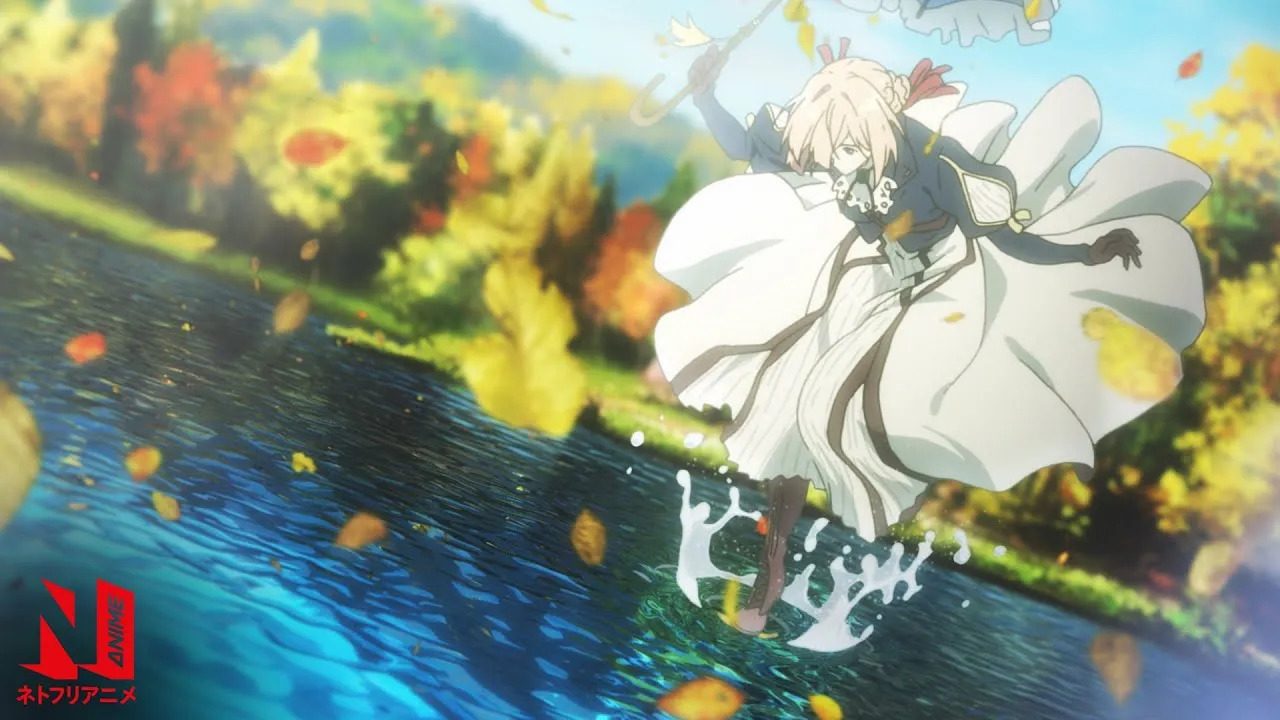
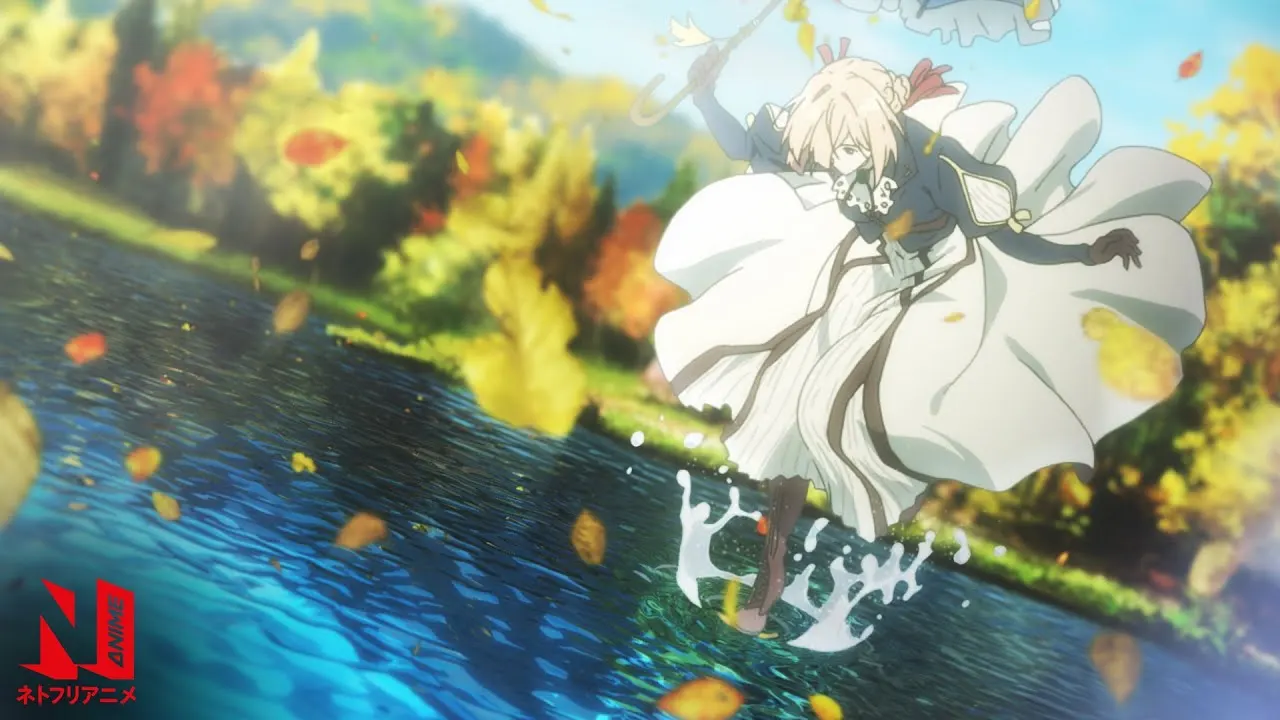
- 81. Violet — Violet Evergarden, Violet Evergarden. An English flower and color name. The floral vocabulary belongs to English rather than a hidden Japanese kanji translation.
- 82. Winry — Winry Rockbell, Fullmetal Alchemist. A fictional name without an established Japanese word meaning. Use its character connection honestly.
- 83. Riza — Riza Hawkeye, Fullmetal Alchemist. A concise non-Japanese character name. Don't infer its origin from a similar spelling without a source.
- 84. Olivier — Olivier Mira Armstrong, Fullmetal Alchemist: Brotherhood. A conspicuous example of fiction using a name outside ordinary gender expectations in some languages.
- 85. Motoko — Motoko Kusanagi, Ghost in the Shell. A familiar Japanese given name with a very specific cyberpunk association. The character's writing is 素子.
- 86. Misato — Misato Katsuragi, Neon Genesis Evangelion. A longer sound that remains easy to shorten in dialogue. Her actual name uses ミサト.
- 87. Ritsuko — Ritsuko Akagi, Neon Genesis Evangelion. Her given name uses リツコ. Kanji picked for another Ritsuko don't translate this spelling.
- 88. Faye — Faye Valentine, Cowboy Bebop. A non-Japanese name written in katakana in Japanese credits. Its appeal can be its sound and genre association.
- 89. Revy — Revy, Black Lagoon. A nickname used in the story, not a conventional Japanese given name. That distinction matters for original-character naming.
- 90. Lain — Lain Iwakura, Serial Experiments Lain. The given name is れいん. Its recognizable spelling and unsettling series association are more reliable than an invented translation.
Fantasy names and titles: 91–100
- 91. Frieren — Frieren, Frieren: Beyond Journey's End. A German word associated with feeling cold or freezing. This is German vocabulary, not Japanese name kanji.
- 92. Fern — Fern, Frieren: Beyond Journey's End. German “fern” means distant; English “fern” is a plant. Keep the two language associations separate.
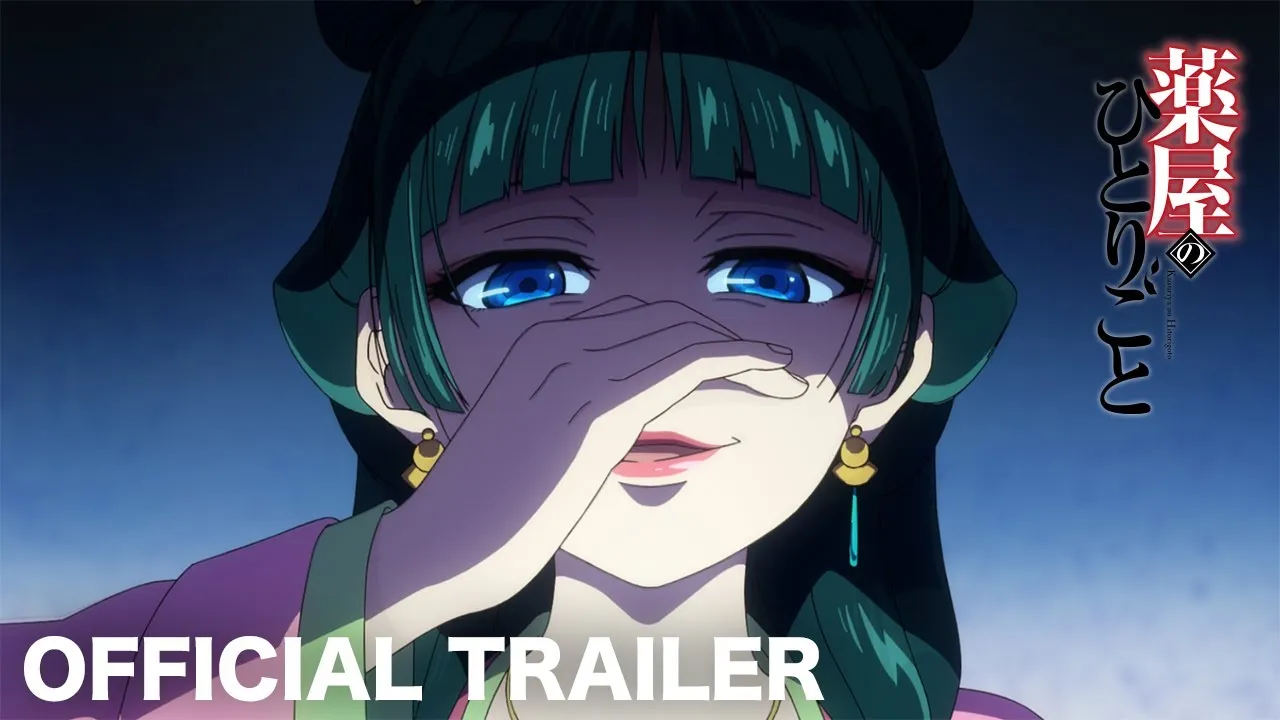
- 93. Maomao — Maomao, The Apothecary Diaries. The character name is written 猫猫. Its Chinese-inspired setting makes a generic Japanese-name translation a poor fit.
- 94. Yona — Yona, Yona of the Dawn. A name from a fictional fantasy setting. Don't impose a Japanese kanji meaning on its katakana spelling.
- 95. Balsa — Balsa, Moribito: Guardian of the Spirit. A fantasy character name. The series supplies its cultural context, rather than an ordinary Japanese baby-name dictionary.
- 96. Utena — Utena Tenjou, Revolutionary Girl Utena. A memorable floral word association exists, but the character's given name is ウテナ. Separate association from written meaning.
- 97. Anthy — Anthy Himemiya, Revolutionary Girl Utena. A distinctive fictional name. Avoid presenting an unsourced etymology as a confirmed creator explanation.
- 98. Saber — Saber, Fate/stay night. A class title used for a character, not her ordinary personal name. It is a direct English weapon-word reference.
- 99. Holo — Holo, Spice and Wolf. A fantasy name commonly recognized through the character. Alternative romanizations don't create a Japanese dictionary meaning.
- 100. Emilia — Emilia, Re:Zero. A name with European naming roots, used in a fantasy series. No Japanese kanji interpretation is required.
Choosing a name for your own anime character
Start with the setting. A contemporary Japanese student, a space mercenary and a character in a European-inspired fantasy world don't need the same naming system. Decide whether you want a familiar real name, a title, a nickname or a deliberately invented sound.
Then test the cast together. Sakura, Sumire and Sora may each work individually, but several similar openings can make dialogue harder to follow. Give major characters distinguishable sounds before choosing ornate meanings.
If the meaning matters, record the spelling beside the reading. A note such as “Nagisa, 渚, shore” is much more useful than “a beautiful name that symbolizes kindness.” A name dictionary entry for 渚 gives you something checkable. A native speaker or professional editor can help with unfamiliar readings when the name will appear in a published work.
For a username, you have more freedom. Use a name plus a hobby or image rather than copying a character's full identity. Our female character design guide connects names to the broader task of making a cast distinguishable. For an original story, borrow the naming principle instead: a clear sound, an intentional spelling and a reason that belongs to your own character.
Questions about female anime names
What are good short female anime names?
Nami, Yui, Mio, Rei, Ai and Hana are easy to remember. They come from different characters and naming patterns, so check their spellings and associations rather than treating them as interchangeable Japanese words.
Do all anime girl names have Japanese meanings?
No. Some are Japanese names with several possible spellings; others are nicknames, titles, foreign words or fantasy inventions. Kiki, Violet, Frieren and Saber illustrate different naming systems.
Can the same anime name be used for different genders?
Yes. Readings such as Sora, Makoto, Haruka and Ryo appear across genders. A character's name and its spelling give you more information than a list labeled only “boys” or “girls.”
For watch recommendations rather than naming ideas, our guide to anime with female protagonists focuses on what those leads actually do in their stories.