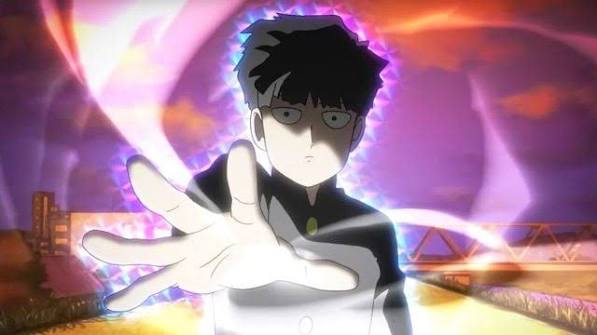
Mob Psycho 100’s Powers Explained: Espers, Spirits and ???%
How do psychic powers work in Mob Psycho 100? This guide explains espers, spirits, possession, energy absorption, Mob’s 100% states and the true meaning of ???%.
Editorial section
Thought-provoking anime opinions exploring themes, character choices, power systems, and storytelling decisions across popular series.
How do psychic powers work in Mob Psycho 100? This guide explains espers, spirits, possession, energy absorption, Mob’s 100% states and the true meaning of ???%.
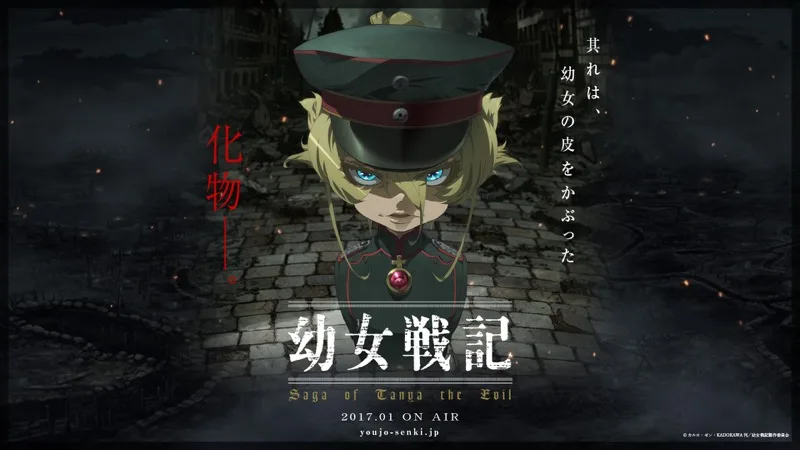
Tanya Degurechaff stands apart from typical isekai heroes. Her ruthless rationalism, war against Being X, and constant clash between self-interest and duty make her a uniquely compelling protagonist.
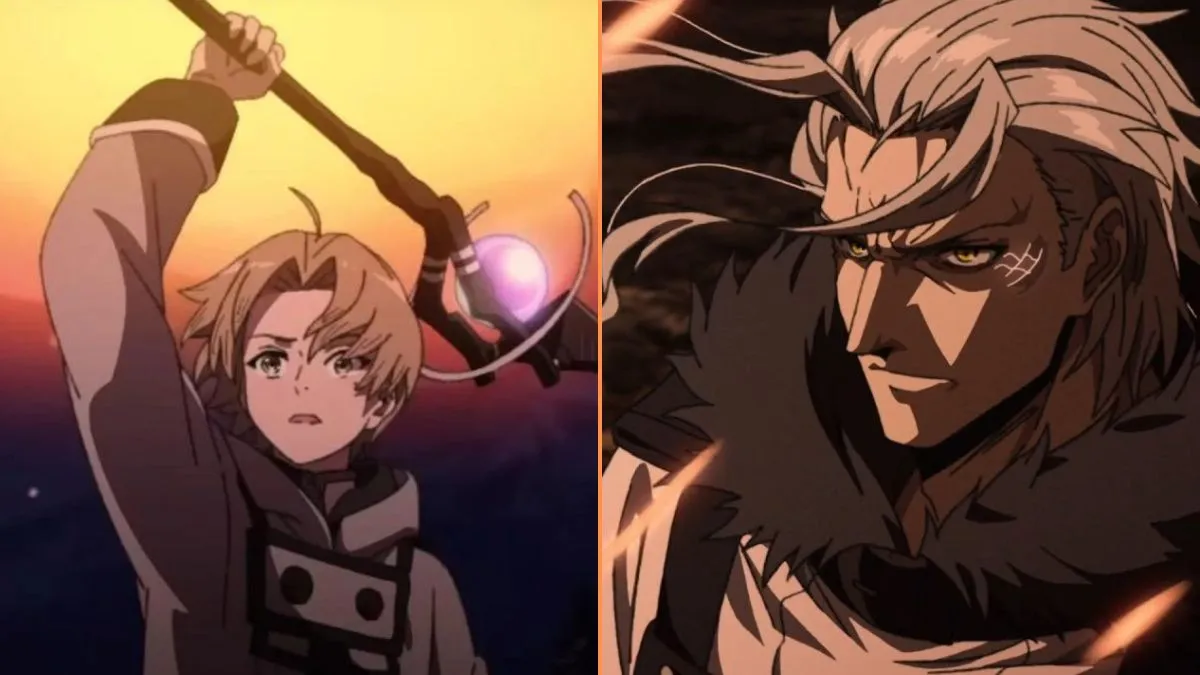
The Seven Great Powers are Mushoku Tensei’s legendary combat hierarchy. Here is the canonical ranking from Technique God to North God, how the monument system works, where Orsted fits, and why the numbered order does not decide every matchup.
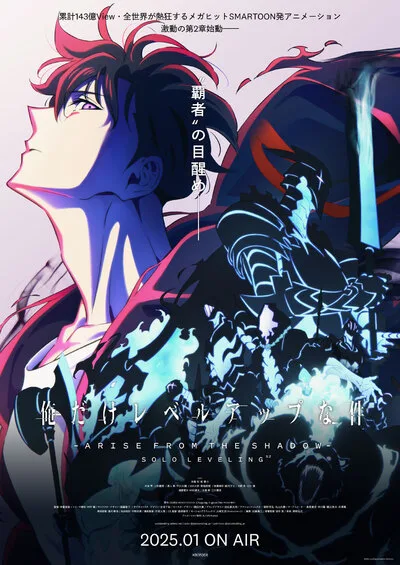
A complete ranking of Solo Leveling’s major named S-Rank Hunters, from support specialists and guild masters to National Level Hunters and Sung Jinwoo himself.
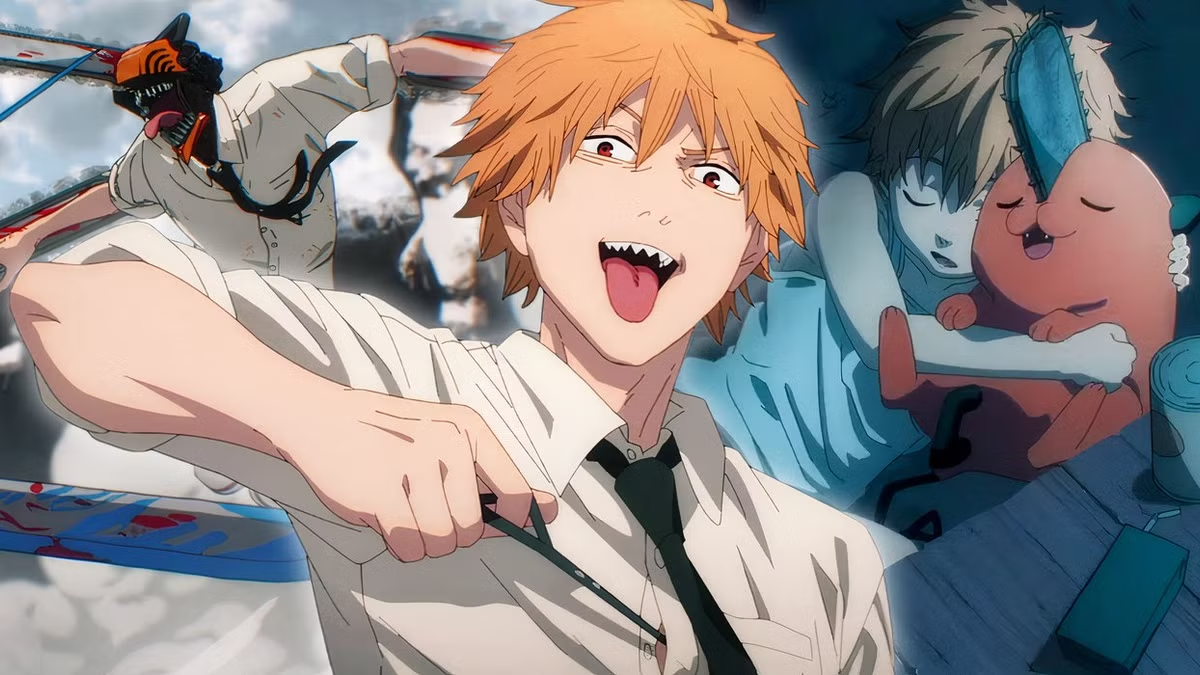
Chainsaw Man devil contracts explained: what a contract costs, how its rules work, and why contracts reveal a character’s choices as much as their power.
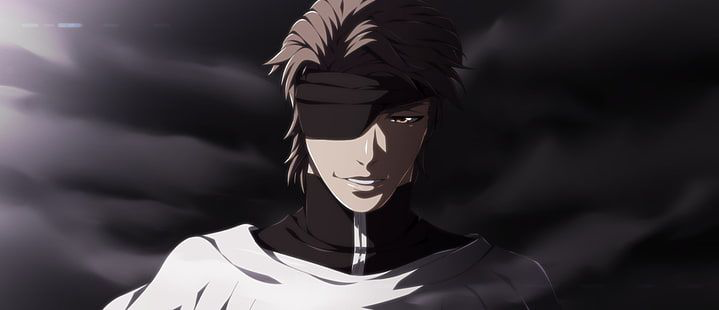
Aizen’s Bankai has never been revealed in Bleach. Here is what canon confirms, why Kyōka Suigetsu may have made it unnecessary, and which explanations remain theories.
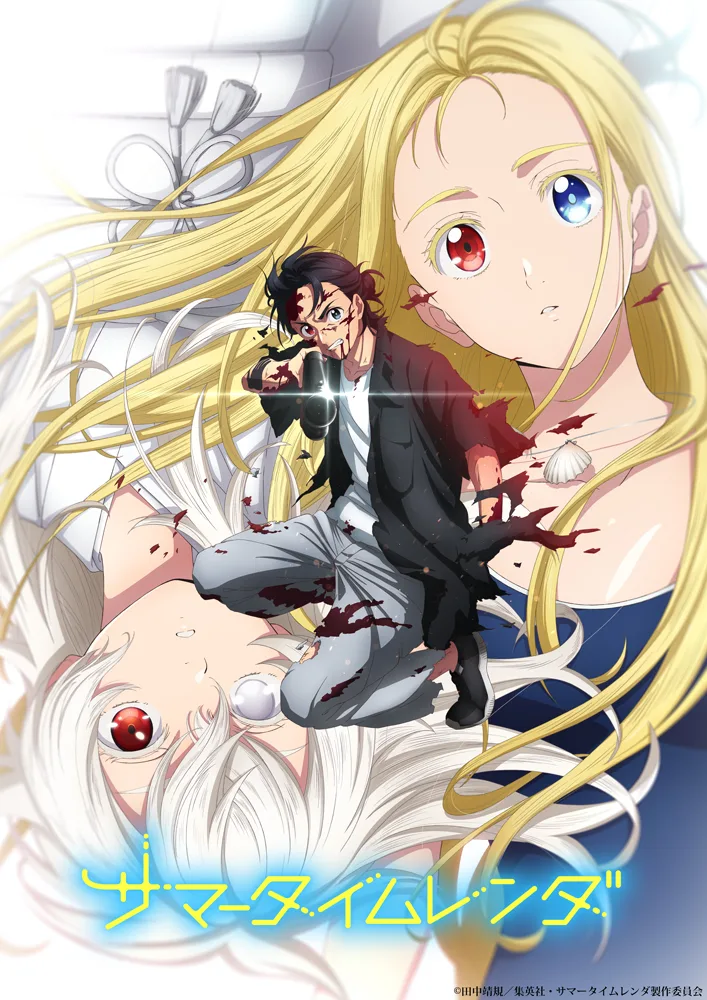
Summer Time Rendering ends with Shinpei returning to a peaceful timeline where the Shadow disaster never happened, Ushio is alive, and the island’s dead have been restored. This ending explanation breaks down how the final loop works, why Ushio remembers Shinpei, what happened to Haine and Shide, and why the conclusion is more meaningful than a simple reset.
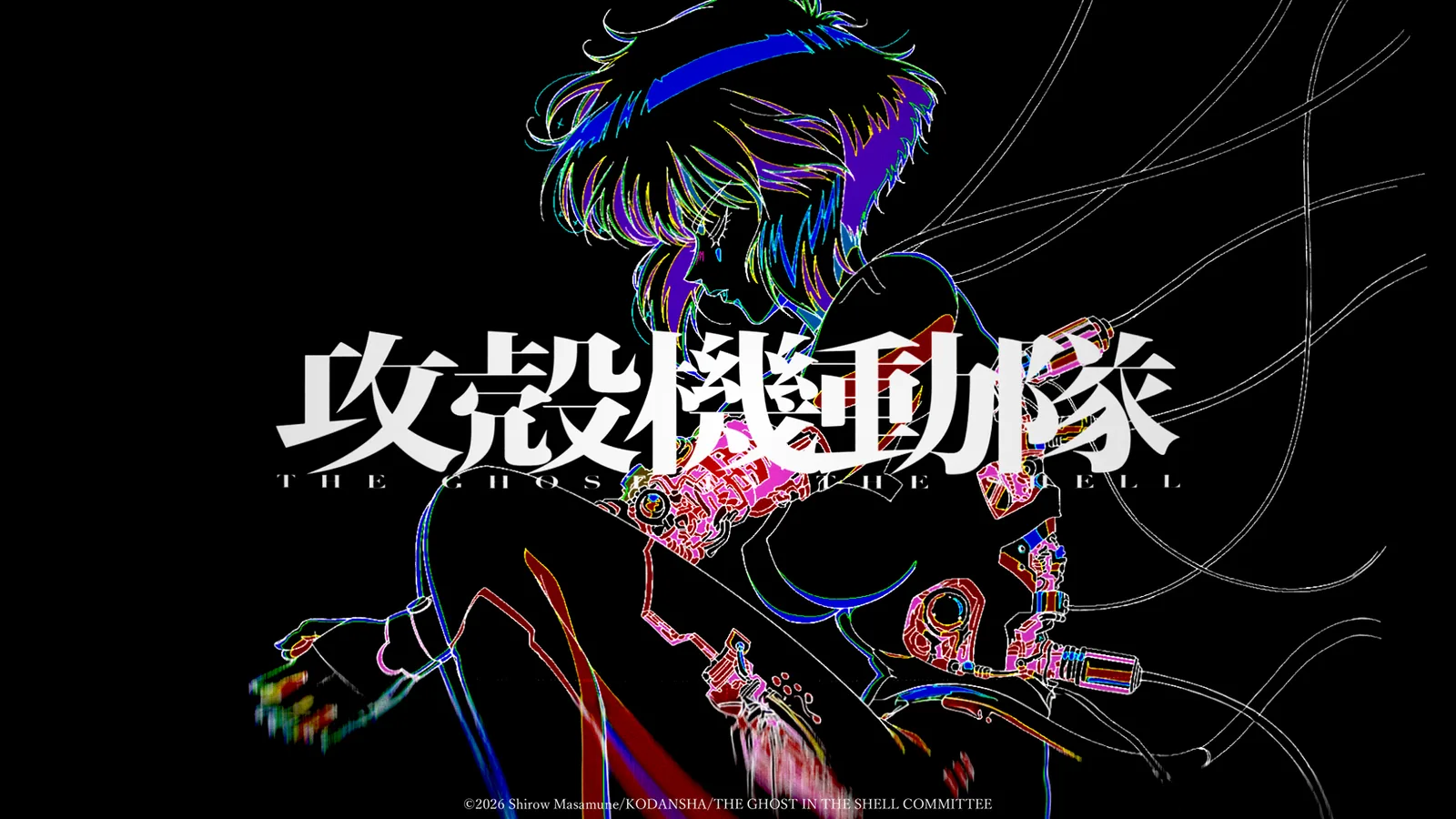
Science SARU’s The Ghost in the Shell does more than revive a cyberpunk classic. Its brighter designs, manga-rooted humor, and focus on Motoko Kusanagi’s restless intelligence reconnect the franchise with Masamune Shirow’s original vision.
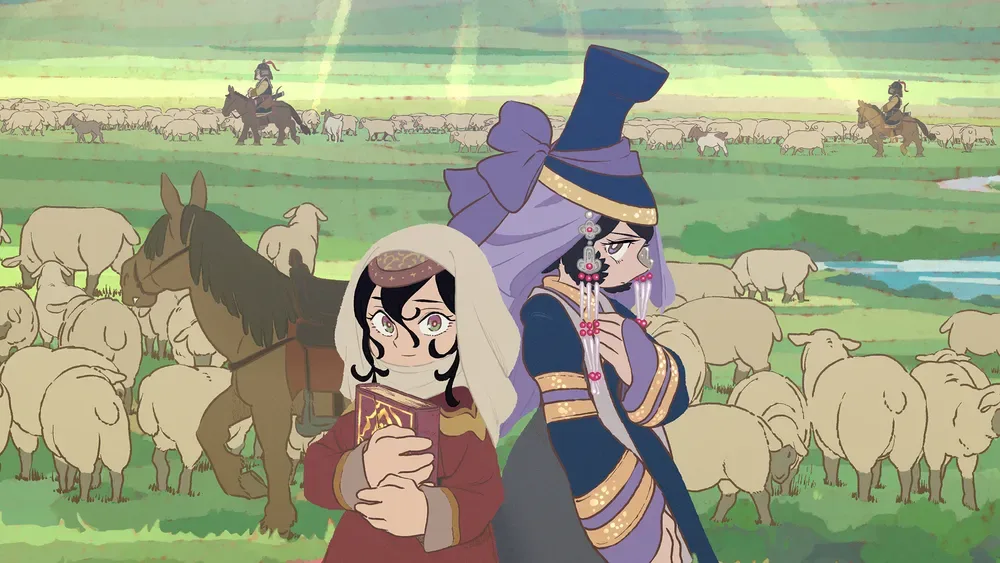
Jaadugar: A Witch in Mongolia reframes the historical anime heroine by making literacy, medicine, memory, and political intelligence more dangerous than any supernatural ability.
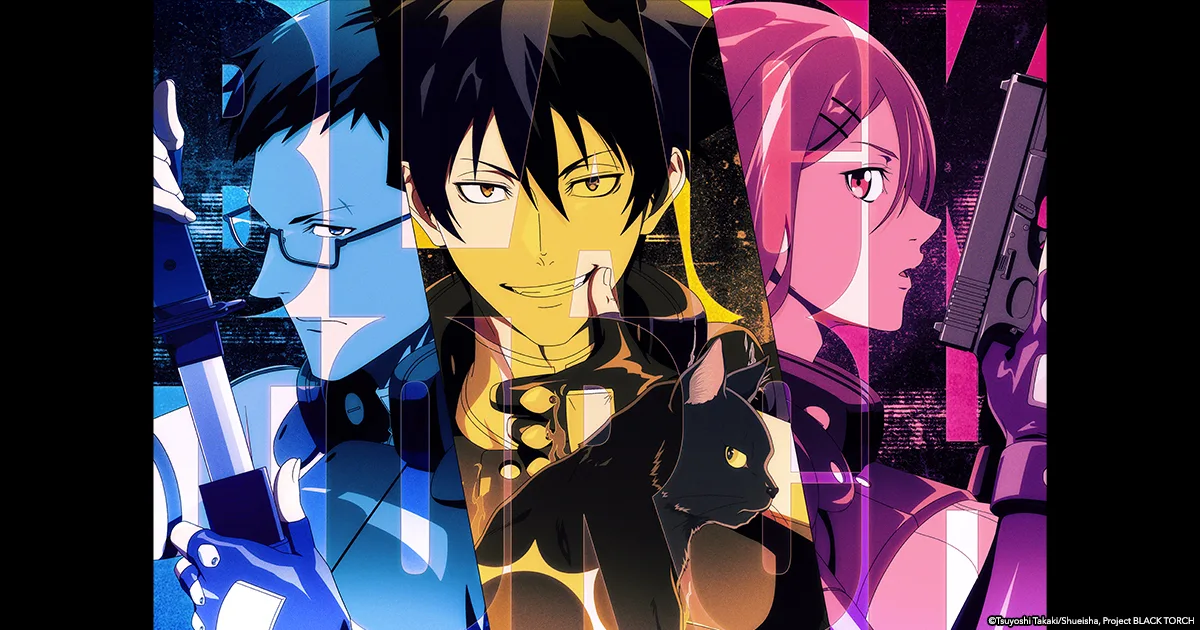
Black Torch ended after only five manga volumes, but its compact supernatural premise, strong central partnership, and clean action structure make it unusually well suited to anime.
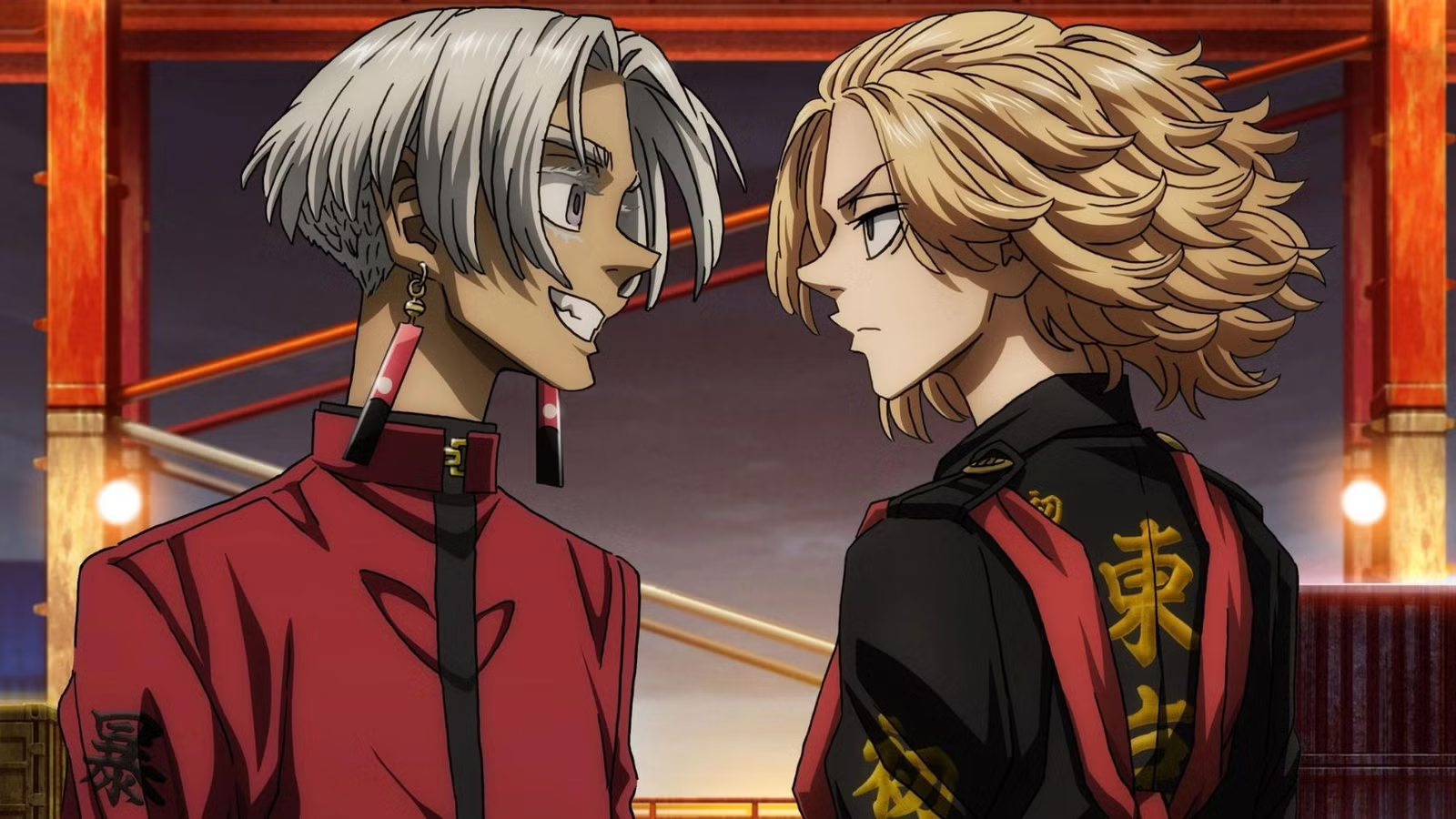
Mikey becomes an antagonist in Tokyo Revengers, but calling him a simple villain misses the point. His dark impulses, repeated losses and the final arc reveal a fallen hero whose actions become destructive even when his original motives were not evil.